Science
β-Arrestin Condensates Found to Shape GPCR Activity
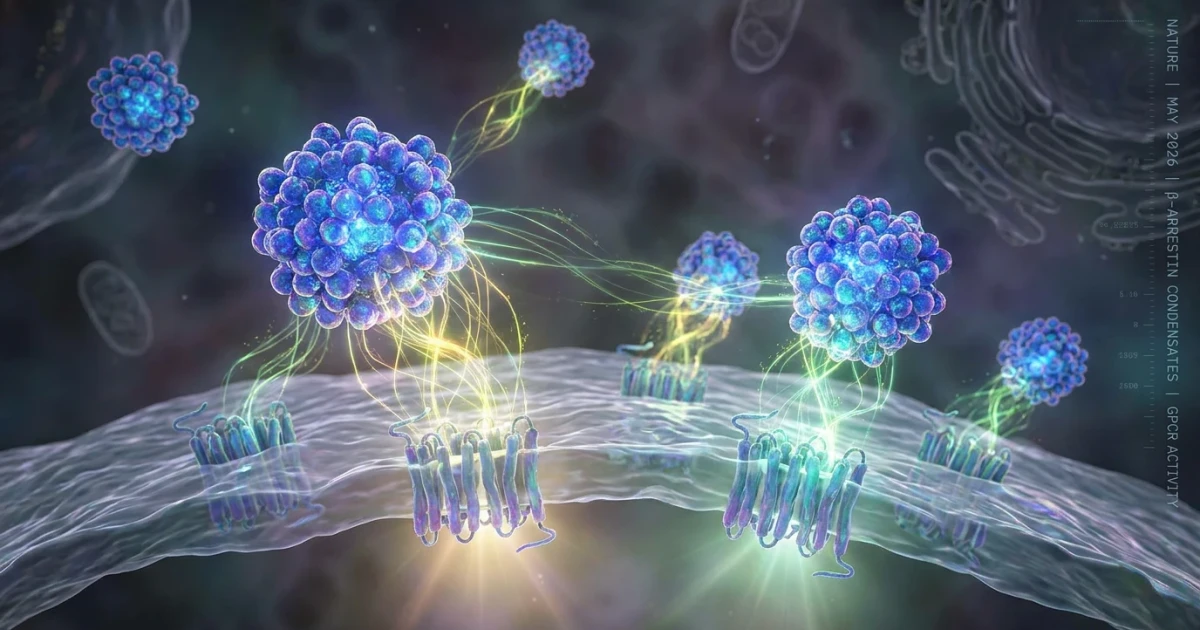
β-arrestin proteins have long been known as crucial regulators of G-protein-coupled receptor (GPCR) signaling, but new research published in Nature is shedding light on the precise mechanisms behind their influence. The study reveals that β-arrestin undergoes oligomerization—grouping together to form condensates—which fundamentally alters how GPCRs function within cells.
Key Findings: How β-Arrestin Condensates Impact GPCR Function
The investigation, detailed in Nature, demonstrates that when β-arrestin forms condensates, these structures serve as organizational hubs that modulate the location, signaling strength, and duration of activated GPCRs. Traditionally, β-arrestin was recognized for halting GPCR signaling by promoting receptor desensitization and internalization. However, the new findings show that the process is more nuanced:
- β-arrestin oligomerization leads to the formation of membraneless condensates in the cell.
- These condensates physically co-localize with GPCRs, concentrating signaling machinery in discrete cellular regions.
- The presence of condensates alters downstream signaling pathways, impacting cellular responses to external stimuli.
New Perspectives on Cellular Signaling
According to the study, GPCRs—one of the largest and most diverse protein families in the human genome—are responsible for transmitting a wide variety of signals from outside the cell to the inside. The role of β-arrestin has now been expanded from simple signal terminator to a dynamic scaffolding molecule that can orchestrate the assembly of complex signaling platforms. This shift in understanding has major implications for GPCR pathway mapping and drug development, as targeting condensate formation could offer new strategies for modulating cell signaling in diseases ranging from heart failure to neurological disorders.
Structural Insights and Experimental Approaches
The research team used advanced imaging and biochemical techniques to visualize the condensates in living cells and measure their effects on GPCR function. Their data suggest that the formation of β-arrestin condensates is regulated by specific protein-protein interactions and post-translational modifications, highlighting the protein's complex structure and regulation. These findings are supported by structural biology resources, such as the crystal structure of β-arrestin 2 in complex with a GPCR phosphopeptide, which provide a molecular framework for understanding how condensates assemble and interact with receptors.
Implications for Drug Discovery and Therapeutics
Given the centrality of GPCRs in pharmacology—an estimated one-third of all approved drugs target these receptors—the discovery that β-arrestin condensates can fine-tune receptor signaling opens new avenues for therapeutic intervention. By designing molecules that influence β-arrestin oligomerization, researchers may be able to selectively modulate specific signaling outcomes, potentially reducing side effects or increasing efficacy of existing treatments.
Looking Ahead
While the study marks a significant advance in cell signaling research, the authors note that much remains to be explored about how β-arrestin condensates are regulated in different cell types and disease states. Further research could illuminate how the balance between monomeric and condensate forms of β-arrestin affects health and disease, with implications for everything from cancer biology to metabolic disorders.
The findings highlight the importance of protein organization and phase separation in cellular regulation—a concept that is likely to impact many fields of biomedical science in the coming years.