World
10 years after Brexit, UK politics and economy remain strained
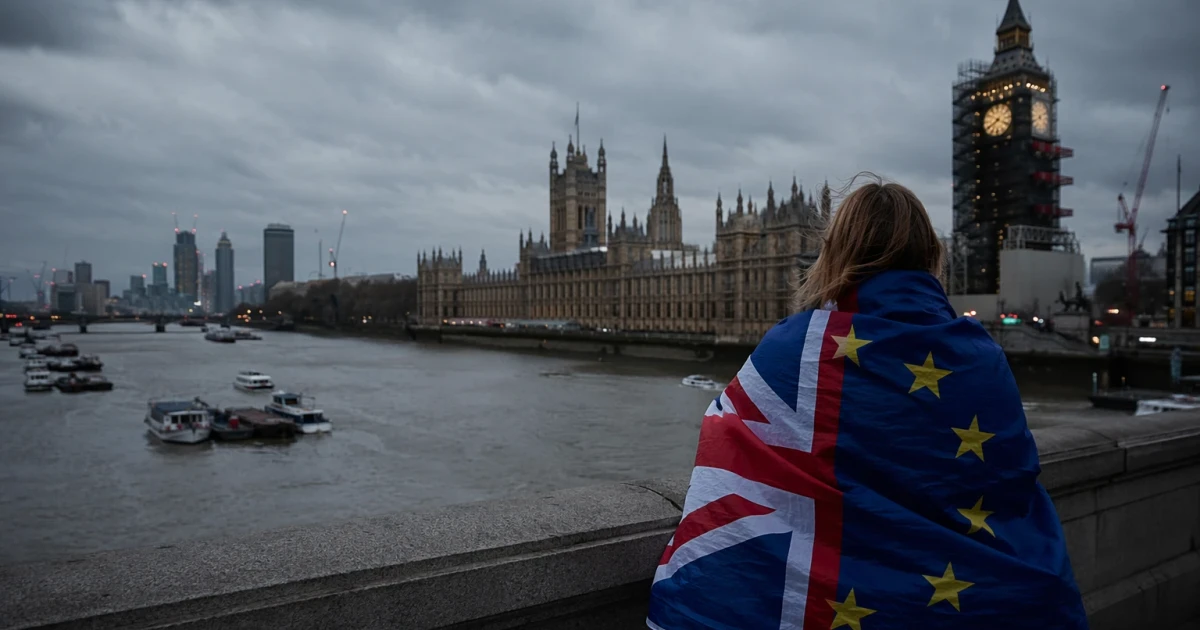
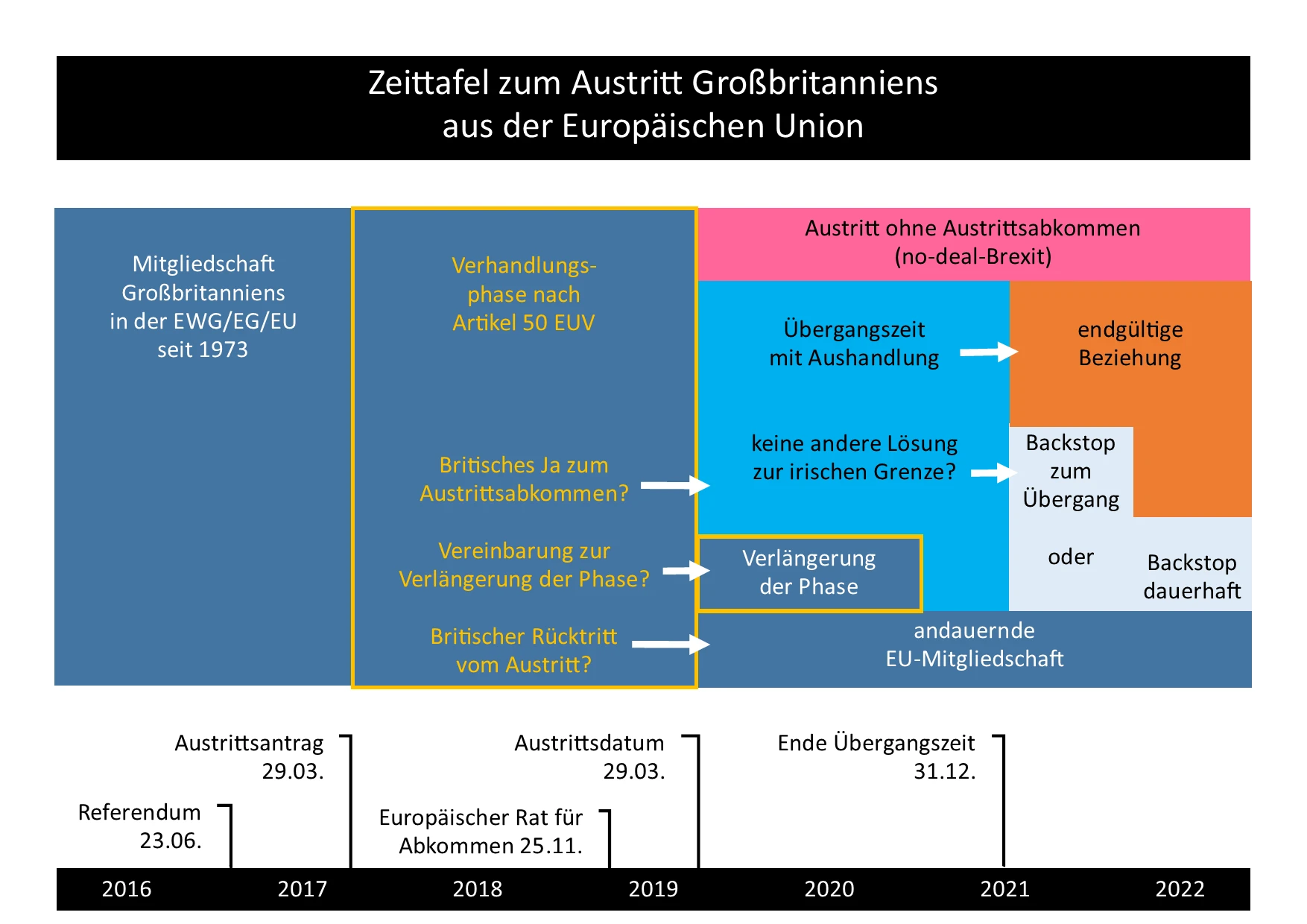
Brexit promised control, revival and a cleaner economic future. Ten years later, the evidence points to a country still living with the gap between that pitch and the realities it set in motion: a 72.2% referendum turnout, a narrow 51.9% Leave majority, and a political and economic system that never fully settled after 23 June 2016.
The referendum result, measured against the promise
The official referendum count captured a country split almost down the middle: 17,410,742 votes for Leave and 16,141,241 for Remain, with 33,577,342 ballot papers counted and 25,359 rejected ballots. That closeness matters because it helps explain why Brexit has behaved less like a decisive reset than a prolonged national argument over what sovereignty, prosperity and fairness should mean in practice.
A useful way to read the decade is as a scorecard against the claims made in 2016. On trade, migration, growth, regulation and political sovereignty, the strongest verdict is not that every promise failed, but that the gains were far harder to deliver than the rhetoric suggested.
Brexit scorecard against the 2016 promises
• Trade: promised freedom from EU constraints, but local manufacturing and investment questions have remained tied to Europe.
• Migration and labour: promised control, yet councils and employers still worry about access to skilled workers.
• Growth: promised a brighter economic path, but stagnant productivity and regional disparities remain central concerns.
• Regulation and investment: promised flexibility, but alignment with EU rules still matters for inward investment.
• Political sovereignty: promised stability and control, but devolution and industrial policy became more contested, not less.
Trade and the regional economy
Trade was always the most immediate test, because the referendum did not just redraw constitutional lines. It also changed the terms on which British regions, especially those with manufacturing ties to Europe, expected to sell, buy and invest. A 2016 SPERI blog post at the University of Sheffield warned that regional manufacturing trade with the EU could make Brexit’s effects uneven across the country, and that warning has proved central to how the decade is now understood.
That regional unevenness is part of why the Brexit debate never stayed abstract for long. In industrial cities, the question was not simply whether the United Kingdom had “taken back control,” but whether firms could still compete, export and hire on terms that supported local jobs. The wider British business model, as Sheffield researchers argued, was being pushed toward a new economic conversation because the old one had not solved stagnant productivity or the gap between stronger and weaker regions.
Migration, skills and public services
The public argument over migration often focused on numbers and borders, but the practical issue for many places was labour supply. Sheffield City Council’s Brexit reports identified possible pressures on skilled labour, trade and investment, research funding, public finances and single-market access, which shows how migration and economic policy were linked on the ground rather than separated into neat political categories.
For communities, that mattered in everyday ways. Hospitals, universities, manufacturers and service firms all depend on access to skills, and when councils warn that that access may tighten, the effect is felt in hiring, service delivery and confidence. The social justice dimension is straightforward: when labour shortages and weaker public finances hit first in less affluent places, the burden of adjustment is not evenly shared.
Investment, regulation and the cost of uncertainty
A 2020 University of Sheffield and Warwick discussion warned that if the United Kingdom did not align with EU regulations after Brexit, inward foreign direct investment could be significantly affected. That point gets to the heart of the decade’s business problem: firms do not invest on slogans, they invest on predictable rules, market access and the expectation that policy will not change the ground beneath them.
Sheffield City Council put that risk into local terms in July 2018, saying Brexit was already making Britain a riskier place to invest after the dockless bike-sharing company ofo quit the city. When police later refused to collect vandalised Ofo bikes after they were dumped in Sheffield, the episode became more than a nuisance story. It symbolised how quickly the promise of openness and innovation could give way to uncertainty, disorder and a weaker sense that public and private actors were working from the same script.
Political sovereignty and the strain on the state
Brexit was sold as a story of national control, but it also intensified scrutiny of how the United Kingdom manages devolution, industrial policy and investment. In practice, the politics of sovereignty became messier, not tidier, because the central state had to answer harder questions about who benefits, who decides and which parts of the country are left to absorb the costs.
That is why the debate kept returning to places like Sheffield and South Yorkshire. The University of Sheffield’s Industrial Strategy Commission argued that the Brexit vote sharpened recognition of the need to address stagnant productivity and regional disparities. In other words, Brexit did not resolve the structural weaknesses in the economy; it made them harder to ignore.
The political consequence has been instability, repeated tests of trust and a louder argument over whether the United Kingdom has the institutions to steer a fairer growth model. From Westminster to city halls, the promise of control collided with the reality of interdependence, and that collision remains one of the defining features of British politics a decade on.
Why Sheffield still matters
Sheffield is a valuable lens because its own Brexit reports translated national debate into local risk. The council highlighted threats to skilled labour, trade and investment, research funding, public finances and single-market access, which is exactly the kind of multidimensional pressure that turns constitutional change into lived experience.
The city also shows why the story cannot be reduced to winners and losers. University researchers, city officials and local commentators have spent years trying to connect the referendum result to industrial strategy, regional resilience and the future of public investment. That work keeps returning to the same conclusion: Brexit has been most damaging where the economy was already fragile, and the political cost has been highest where promises of renewal were supposed to be most believable.
Ten years on, the United Kingdom is not simply counting the cost of leaving the European Union. It is still negotiating the gap between what voters were told in 2016 and what the country has had to manage since, especially in the places where weakened investment, tighter labour markets and slower growth are not abstractions but the texture of daily life.