Health
11,460 bottles of blood-pressure drug recalled over dissolution issue
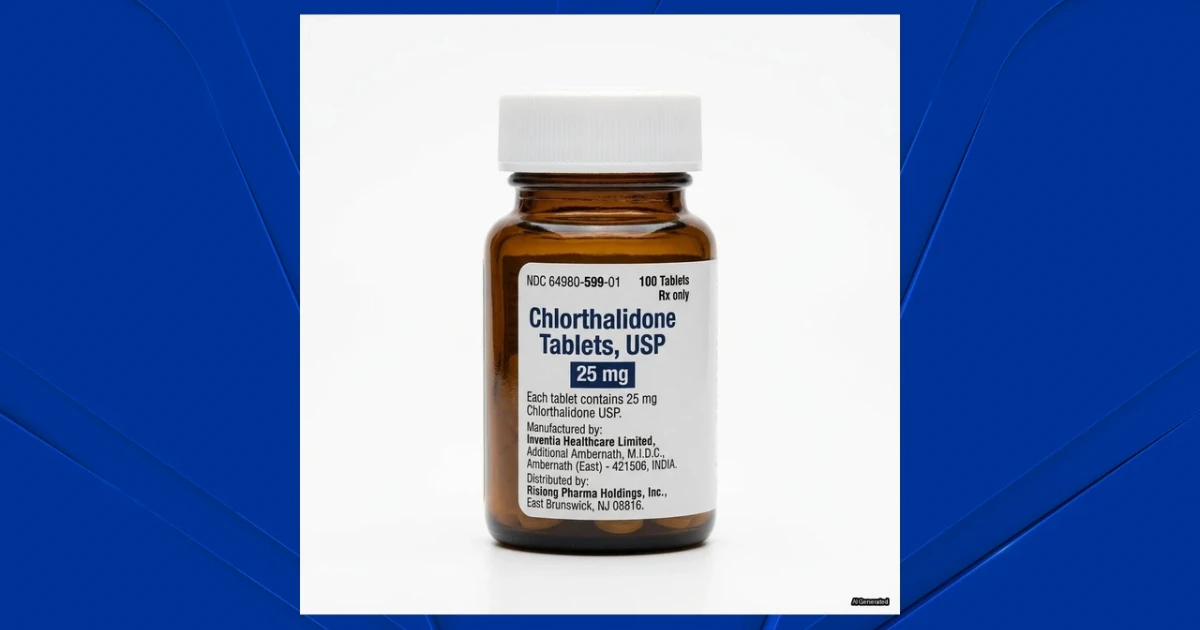
More than 11,000 bottles of chlorthalidone tablets, USP, 25 mg, were recalled after regulators said the blood-pressure drug may not dissolve properly, which could leave patients with less medicine than intended. Anyone taking the drug should check the bottle label, lot number and expiration date, and contact a pharmacist or doctor before making any medication changes.
The recall covered 11,460 bottles in 100-count and 1,000-count sizes from lots RISA24001 and RISB24002, both carrying an April 2027 expiration date. Inventia Healthcare Limited manufactured the product, and Rising Pharma Holdings, Inc., of East Brunswick, New Jersey, distributed it in the United States. Inventia initiated the recall on June 5.
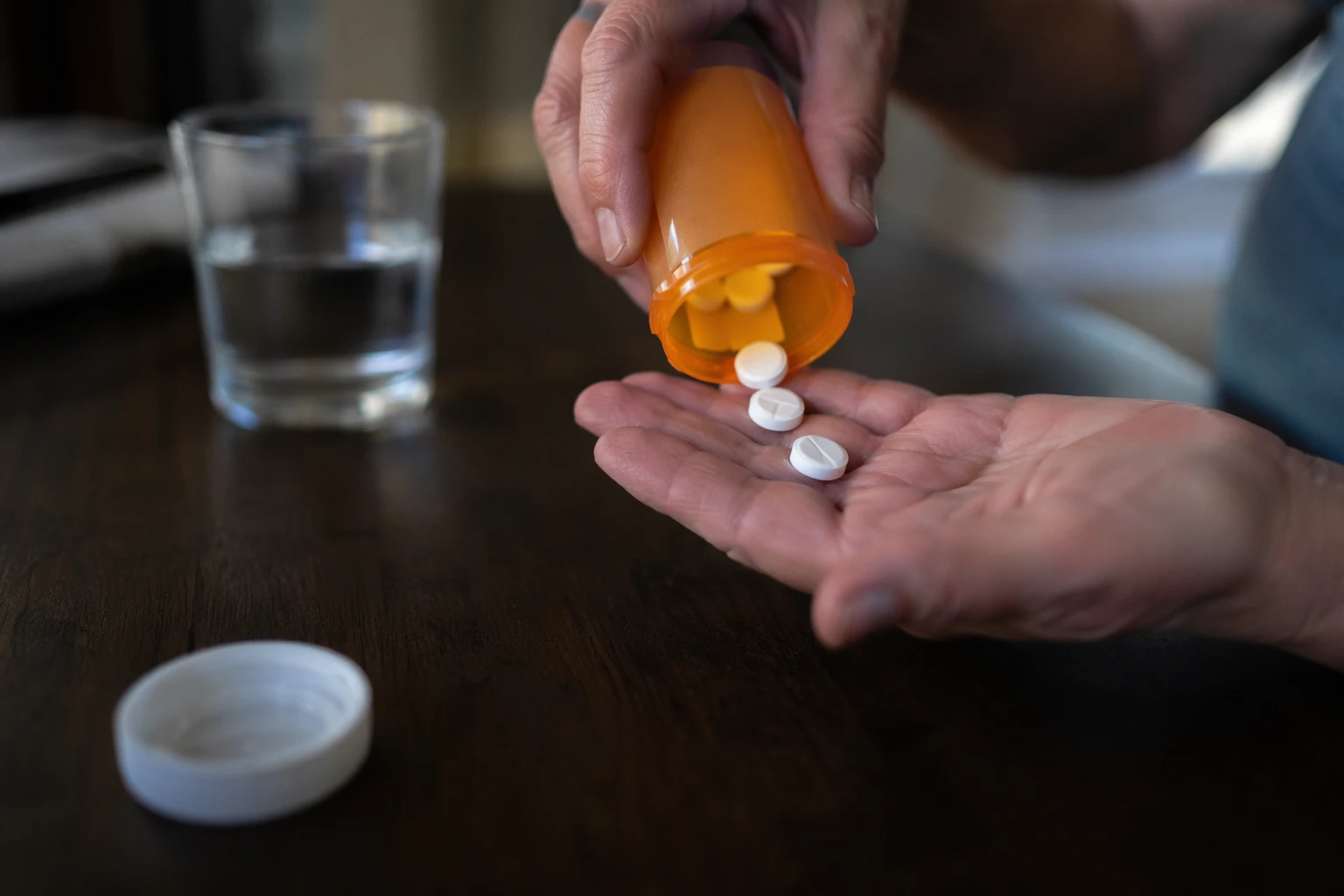
The problem is a failure to meet dissolution specifications. In plain terms, the tablet may not break down in the body the way it should, which can reduce effectiveness even when the medicine is taken exactly as directed. That matters for chlorthalidone, a diuretic commonly prescribed for high blood pressure and fluid retention, because poor blood-pressure control can raise cardiovascular risk if the product is not replaced quickly.
The Food and Drug Administration classified the recall as Class II on June 22. Under FDA definitions, that means use of or exposure to the product may cause temporary or medically reversible adverse health consequences, or the probability of serious adverse health consequences is remote. The agency also defines a drug recall as a firm’s voluntary removal or correction of a defective product from the market, a step intended to pull unsafe or substandard medicine out of circulation before it reaches more patients.

The episode puts a spotlight on quality control deep in the drug supply chain, where a manufacturing defect in Mumbai, India, can become a nationwide issue once bottles are shipped through a U.S. distributor. It also adds to a recent run of blood-pressure drug recalls involving India-made products, with multiple reports describing this as the second such recall in about a month. Even long-used medicines can fail patients if they do not dissolve as designed, and the first response is simple: confirm the lot, keep taking only the replacement your clinician approves, and do not change therapy on your own.
Sources
- [1]providencejournal.com
- [2]fda.gov
- [3]ecfr.gov
- [4]nbcnewyork.com
- [5]beckerscardiology.com