World
138 million children still trapped in child labour worldwide
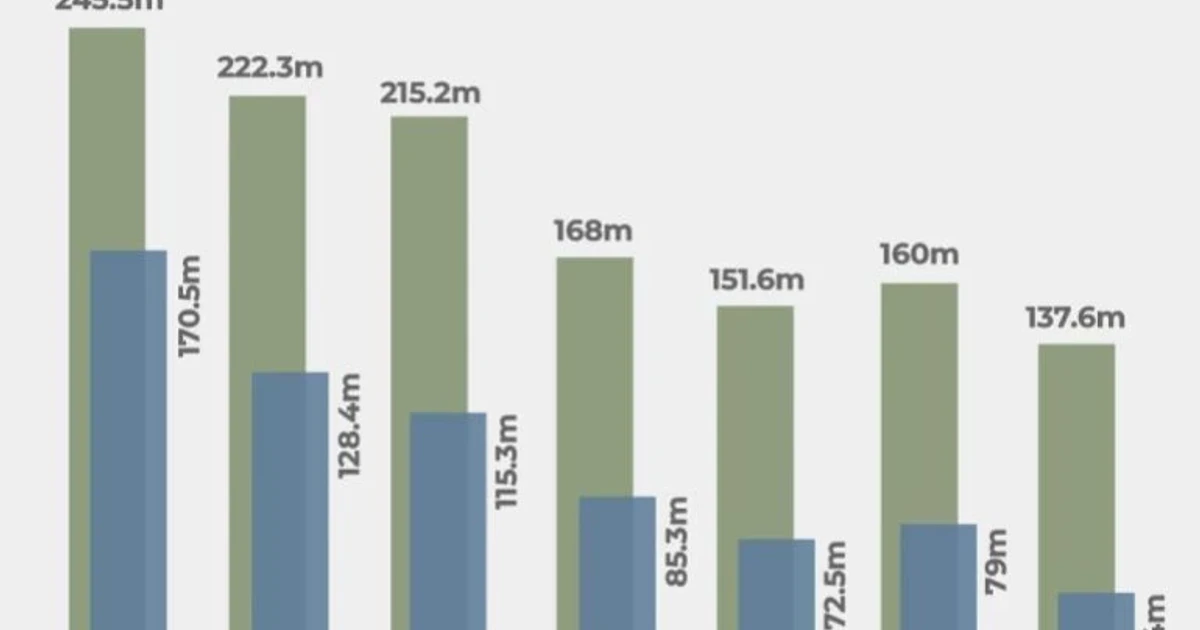
The world has not just missed a deadline on child labour. It has left 138 million children ages 5 to 17 in work, including 54 million in jobs the International Labour Organization says are hazardous enough to threaten health, safety, and development. That is 7.8 percent of all children in that age group, a scale that shows how deeply child labour remains woven into the global economy.
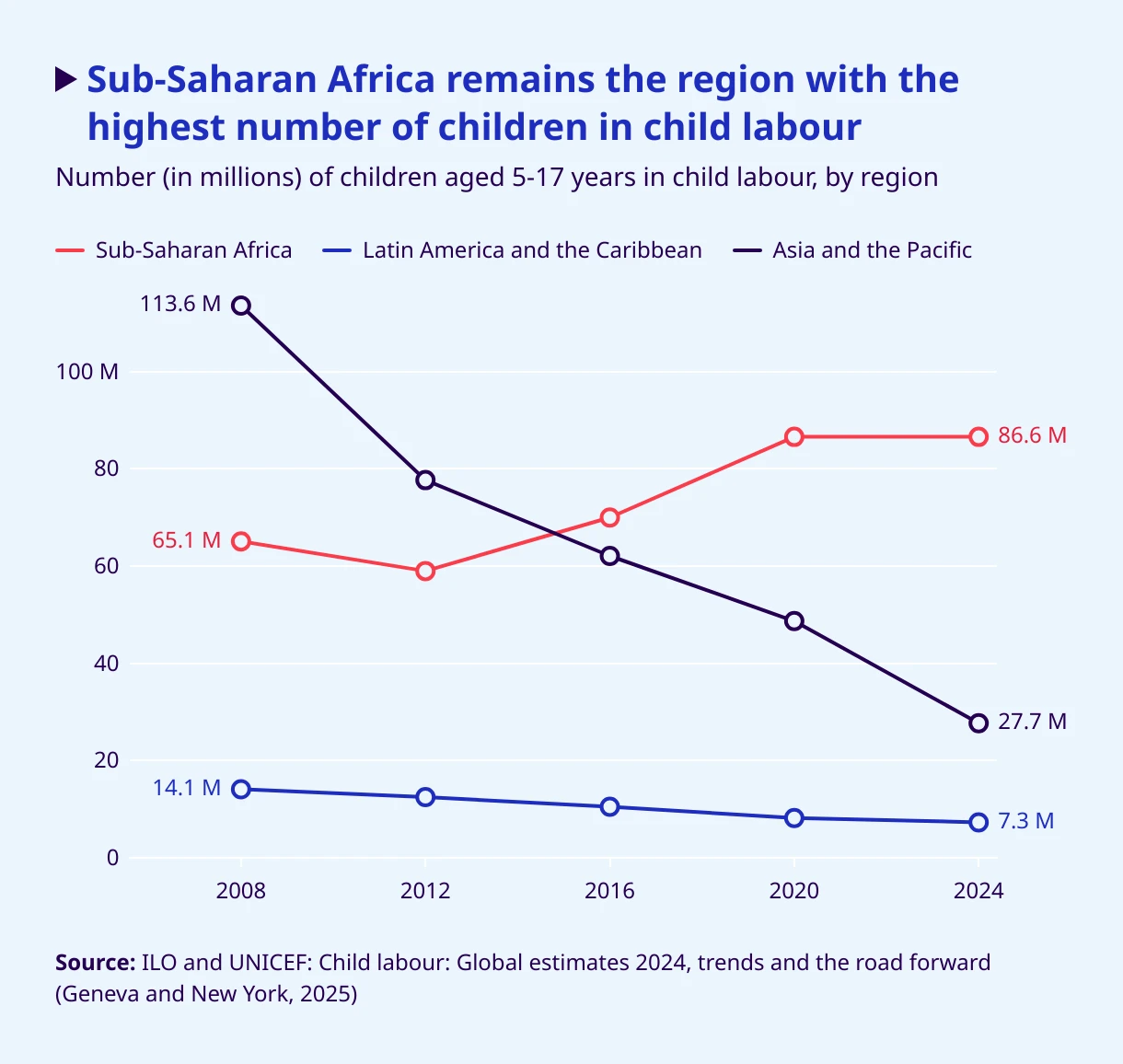
The burden is concentrated where enforcement is weakest. Sub-Saharan Africa has 87 million children in child labour, close to two thirds of the global total. Agriculture accounts for 61 percent of all cases, or about 84 million children, while services make up 27 percent and industry 13 percent. The picture is not of a single illicit sector, but of a labour system spread across farms, domestic work, retail, hospitality, mining, manufacturing, and construction.
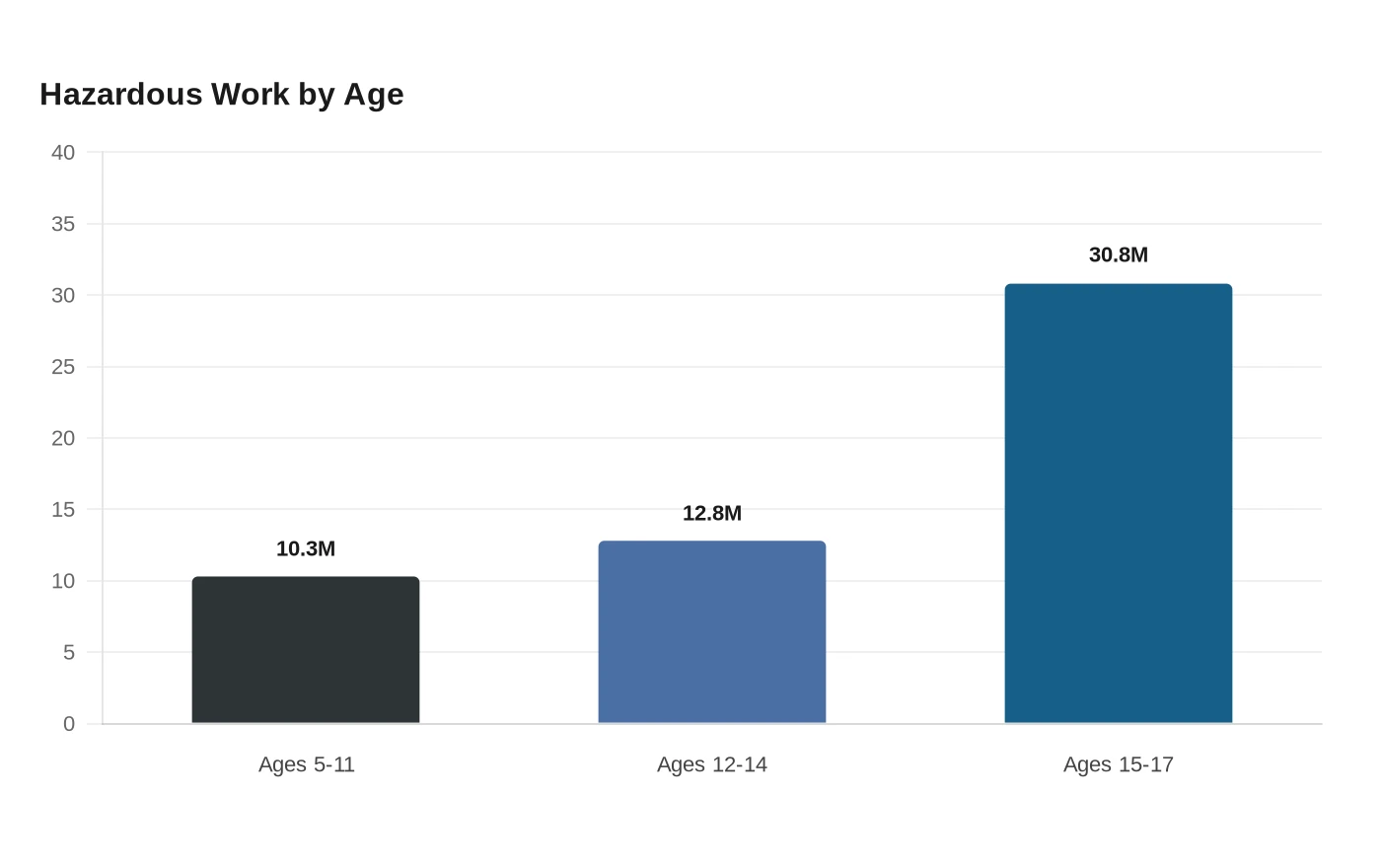
The most dangerous work is also the most damaging. The ILO says hazardous child labour can mean heavy physical labor, toxic chemicals, dangerous machinery, long hours, and unsafe environments. Among the 54 million children in hazardous work, 10.3 million are aged 5 to 11, 12.8 million are 12 to 14, and 30.8 million are 15 to 17. The youngest children face the most severe risks because early exposure can lead to injury, illness, and long-term harm to physical and mental development, while also pushing children out of school and into poverty that can last for generations.
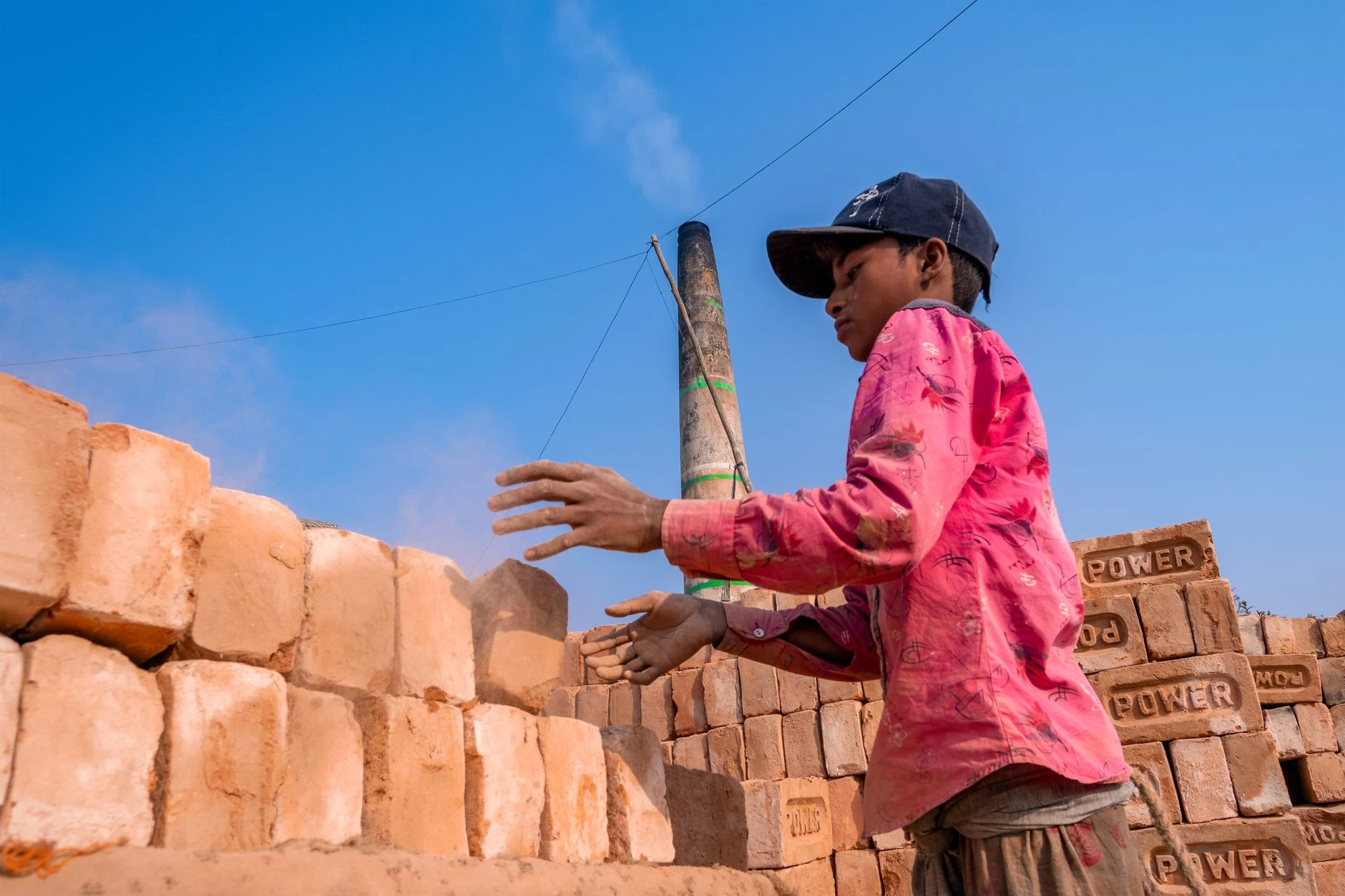
The latest estimates show some progress, but not enough to change the overall reality. The number of children in child labour fell by more than 22 million from 2020 to 2024, and hazardous work fell by 25 million. Even so, the world missed the United Nations target set in 2015 to eliminate child labour by 2025. The problem is now entering a new phase: fewer children are in work than four years ago, but the remaining cases are concentrated in regions and sectors where poverty, weak oversight, and informal work make enforcement far harder.
That is why the 2026 World Day Against Child Labour has taken a harder line. Its theme, “Red card to child labour: Fair play for children, decent work for adults,” reflects a push to treat child labour as a policy failure, not a distant humanitarian problem. The Sixth Global Conference on the Elimination of Child Labour, held in Marrakech in February 2026, produced the Marrakech Declaration, a roadmap to end child labour by 2030 through education, social protection, decent work, stronger laws, and enforcement.
For wealthy countries, the numbers are not abstract. Child labour sits inside the supply chains that deliver food, raw materials, manufactured goods, and services to consumers far from the fields and workshops where children work. The question now is whether governments, employers, and buyers will use trade rules, procurement standards, and labour enforcement to make child labour less profitable than schooling and safer adult work.
Sources
- [1]aljazeera.com
- [2]ilo.org
- [3]6thchildlabourconf.org
- [4]fao.org