US News
16-year-old Santa Cruz lifeguard rescues boy from rip current
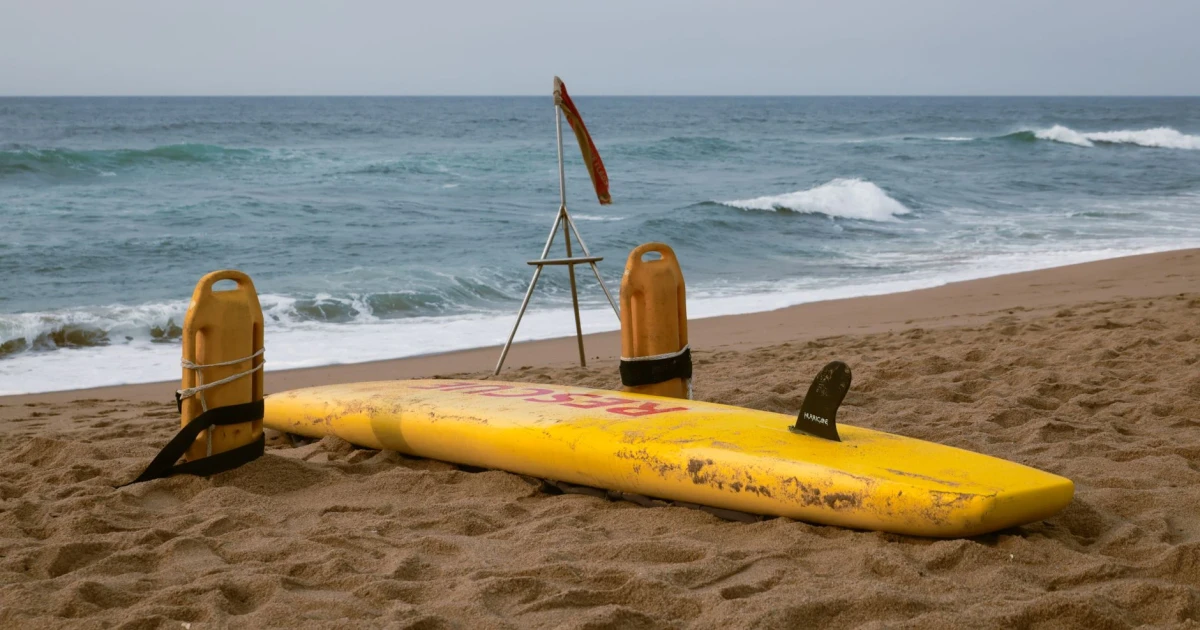
A 16-year-old Santa Cruz lifeguard pulled 10-year-old Nathaniel from a rip current at Seabright State Beach on July 25, a rescue captured on video and widely shared online. The rookie lifeguard, Ryder Williams, became the face of a familiar coastal danger that can turn shallow water into a fast-moving emergency.
Nathaniel had been standing in shallow water when he lost his footing and was swept into the ocean at Seabright Beach, where the surf was rough enough to keep lifeguards busy across Santa Cruz County. Around the same time, dangerous surf led to about two dozen rescues in the county, a reminder that rip currents often appear in places beachgoers think are safe.
Nathaniel’s father, Sumit Rai, said the family was "forever grateful" for the rescue and described the moment as terrifying. "Another two of three seconds, I don't think my son would have made it," Rai said. He also said Nathaniel thought he was going to die. Rai was at home in Texas while Nathaniel and his sister were vacationing in Santa Cruz.
Williams spoke publicly for the first time after the rescue and kept the focus on his job. "This is my job, and I love what I do," he said. At beaches like Seabright, that job can mean reading a current in seconds and getting to a swimmer before panic takes over.
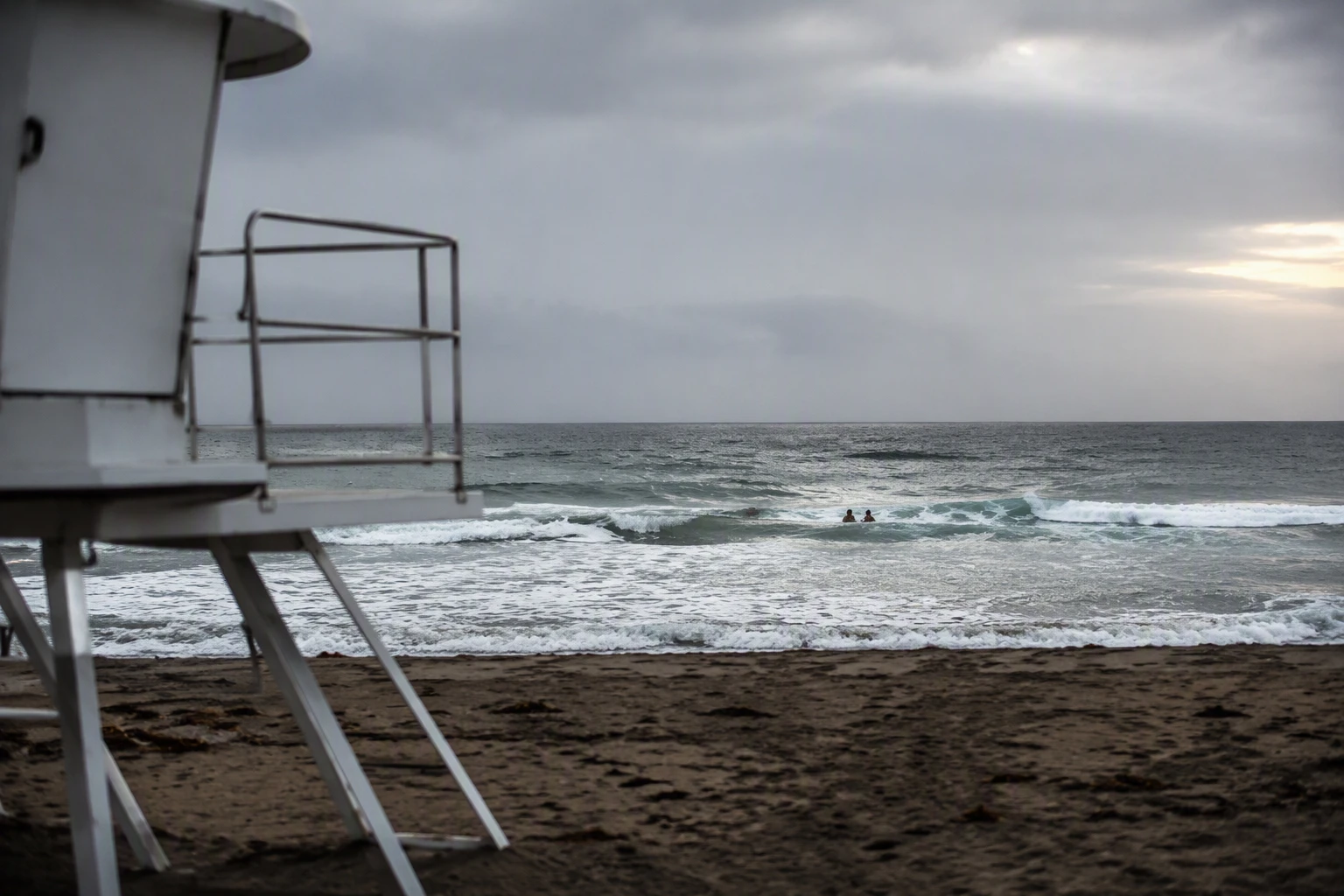
Rip currents remain one of the most misunderstood beach hazards because they do not always look violent. NOAA warns that they can show up as darker, calmer-looking water, a break in the pattern of waves, or a line of foam, seaweed or debris moving seaward. Some rip currents also appear as a channel of churning water between breaking waves.
The survival rule is simple: do not fight the current straight back to shore. NOAA and the American Red Cross advise swimmers to stay calm, swim parallel to the shoreline to get out of the narrow current, and then head back to shore at an angle. If swimming out is not possible, float or tread water to conserve energy and signal for help.
At Seabright State Beach, the difference between panic and survival came down to a teenager in a lifeguard tower who reacted fast enough to reach Nathaniel before the ocean did.
Sources
- [1]cbsnews.com
- [2]abc7news.com
- [3]nbcnews.com
- [4]nbcbayarea.com
- [5]abc7.com
- [6]youtube.com
- [7]kbtx.com
- [8]theinertia.com