Sports
2026 NBA Draft grades, AJ Dybantsa leads loaded first round
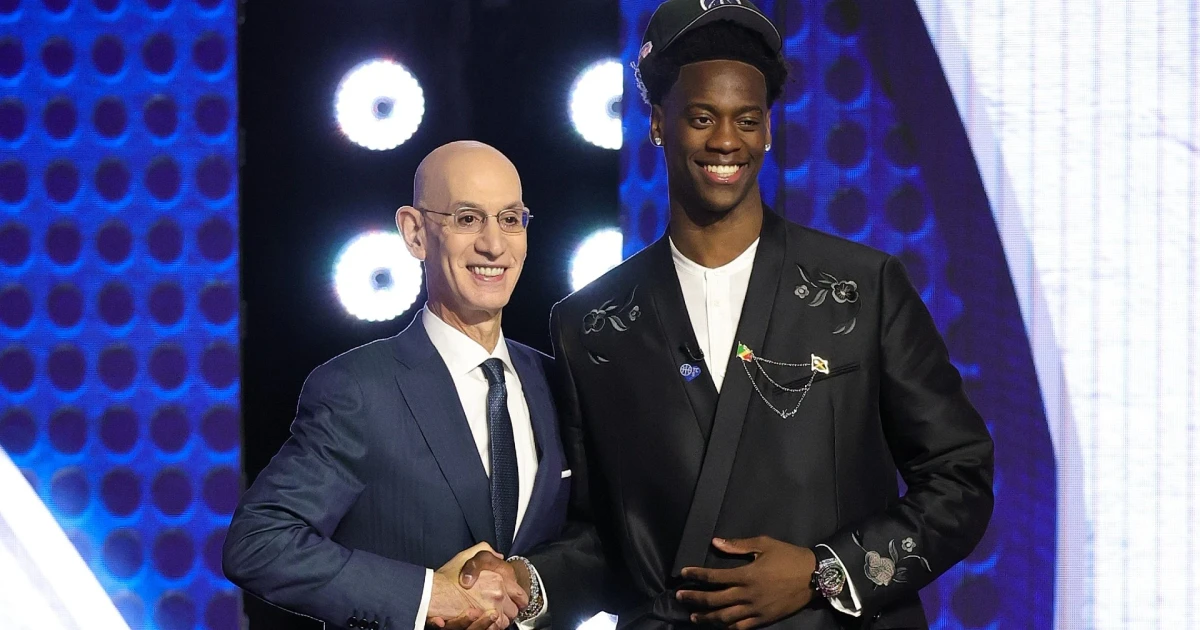
The first round changed Washington’s near-term outlook in one move, because the franchise used the No. 1 pick on AJ Dybantsa after winning the Draft Lottery. With Barclays Center in Brooklyn hosting the draft on June 23-24, 2026, the night also marked the NBA’s 80th anniversary of the event, and the opening round quickly turned into a test of which teams were drafting for immediate help and which were betting on ceiling.
Washington’s pick set the tone for the whole night
Washington landing Dybantsa from BYU was the cleanest example of how one selection can alter a team’s medium-term path. The Wizards now have a player who entered the draft with No. 1 overall support from some evaluators, even though ESPN’s final big board had Darryn Peterson at No. 1 and Dybantsa at No. 2. That split at the top mattered because it showed how much of the first round rested on judgment, not consensus, and why Washington’s choice will be measured over the next three seasons rather than by one rookie summer.
The pressure attached to a No. 1 pick is especially sharp in a year when the top of the class was still being argued over right up to draft night. CBS Sports’ Adam Finkelstein described the class as “one of the best drafts in recent memory,” and that kind of depth raises the cost of missing. A franchise that gets the first pick in a class like this is not just adding talent, it is choosing which version of its future it wants to bet on.
The top of the board never settled into one obvious answer
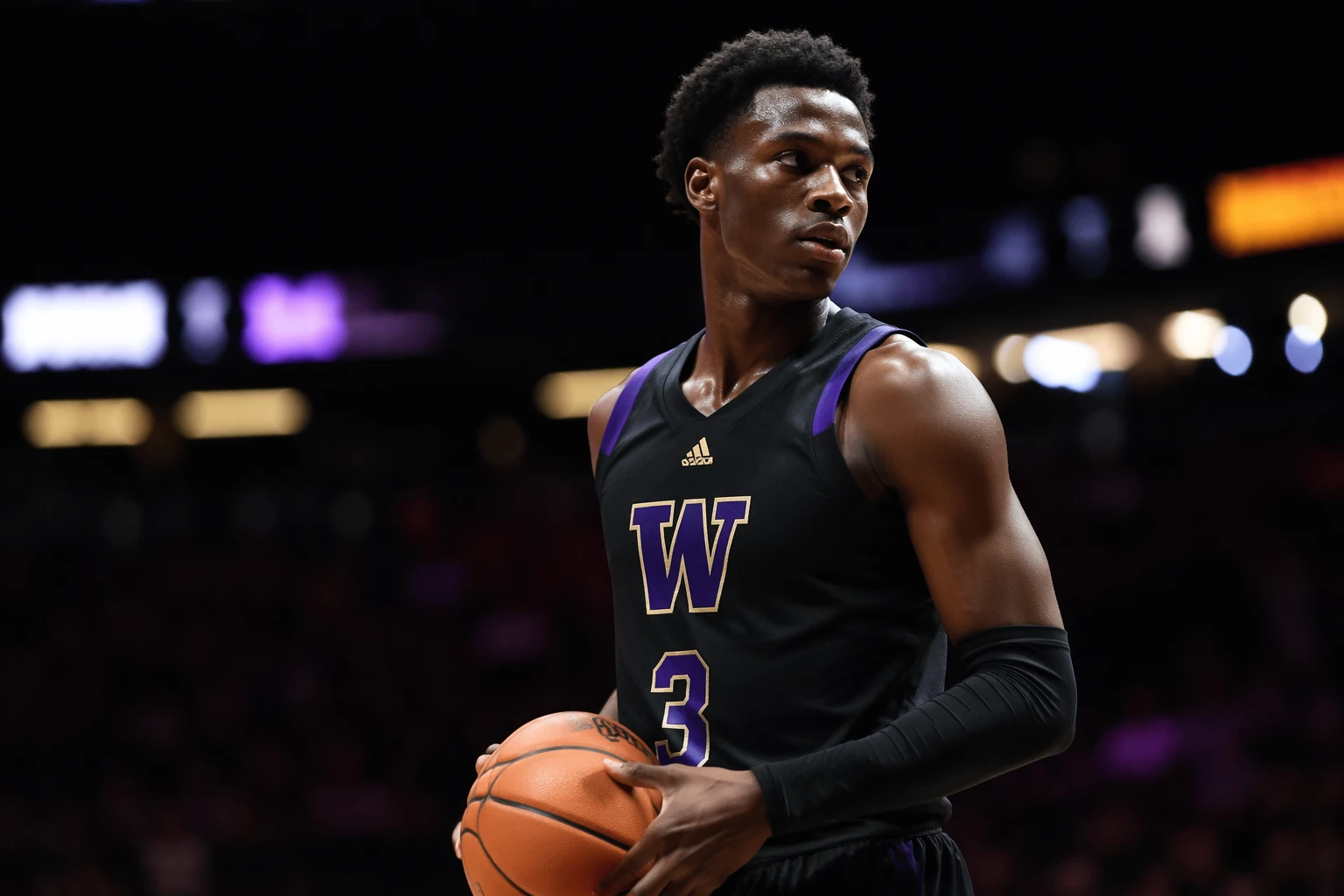
Darryn Peterson, AJ Dybantsa, Cameron Boozer and Caleb Wilson all had legitimate cases to go first, and that uncertainty shaped every conversation around the opening picks. NBA.com framed those four as the group with real No. 1 cred, while CBS Sports had already pointed to Peterson, Dybantsa and Boozer as prospects who could reasonably lead front office boards. When the same class generates multiple plausible top choices, teams are no longer comparing obvious stars to clear role players. They are choosing between different kinds of star outcomes.
That is why the battle between Peterson and Dybantsa mattered so much. ESPN’s board putting Peterson first and Dybantsa second reflected how narrow the gap looked in scouting rooms, even as Washington made its own call at No. 1. For readers tracking long-term franchise direction, that kind of disagreement is not a side note. It is the core of the draft, because the board itself tells you which teams are trying to optimize certainty and which are willing to accept more variance for a higher ceiling.
A freshman-heavy opening round made upside the dominant currency
The first round also came with a striking age profile: eight freshmen were selected in the first nine picks, tying an all-time record. That matters because it says teams leaned heavily toward projection, athletic growth and developmental runway rather than polished, ready-made production. In practical terms, front offices were willing to spend premium draft capital on players they believe can bend the next three seasons, not just fill minutes in October.
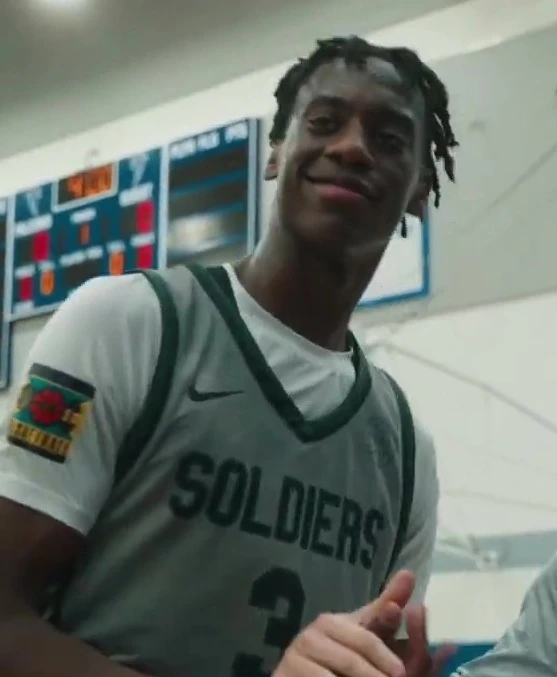
That youth wave also explains why the draft grades attached to the round carry more weight than usual. CBS Sports’ coverage emphasized that the class was deep, with real value available beyond the lottery and even into the second round, and Round 2 was scheduled for June 24 at 8 p.m. ET on ESPN. In a draft this compressed at the top and this fertile through the rest of the board, the difference between an aggressive reach and a shrewd value pick can shape a roster’s flexibility for years.
Pressure and payoff defined the rest of the first round
The first-round analysis was never just about who went first. It was about which franchises chose players who could matter quickly and which franchises accepted a longer developmental curve in exchange for a bigger payoff. When prospects projected in the top 10 slid lower than expected, the board started to reflect competing philosophies: some teams chased certainty, others chased upside, and a few tried to find the middle ground of immediate relevance with a clear growth path.
That tension is what makes this draft feel important beyond the usual post-pick reaction cycle. A class described as one of the deepest modern groups, with a top four that all had a real argument for No. 1 and a record-tying wave of freshmen in the opening nine selections, gives teams more ways to change course at once. Washington’s move for Dybantsa was the most visible reset, but the ripple effects reach through the rest of the first round, where every selection now sits inside a broader argument about how fast a team wants to climb and how much risk it is willing to carry to do it.
Sources
- [1]news.google.com
- [2]cbssports.com
- [3]nba.com
- [4]espn.com