Sports
2026 NHL draft grades, best, worst and most surprising picks
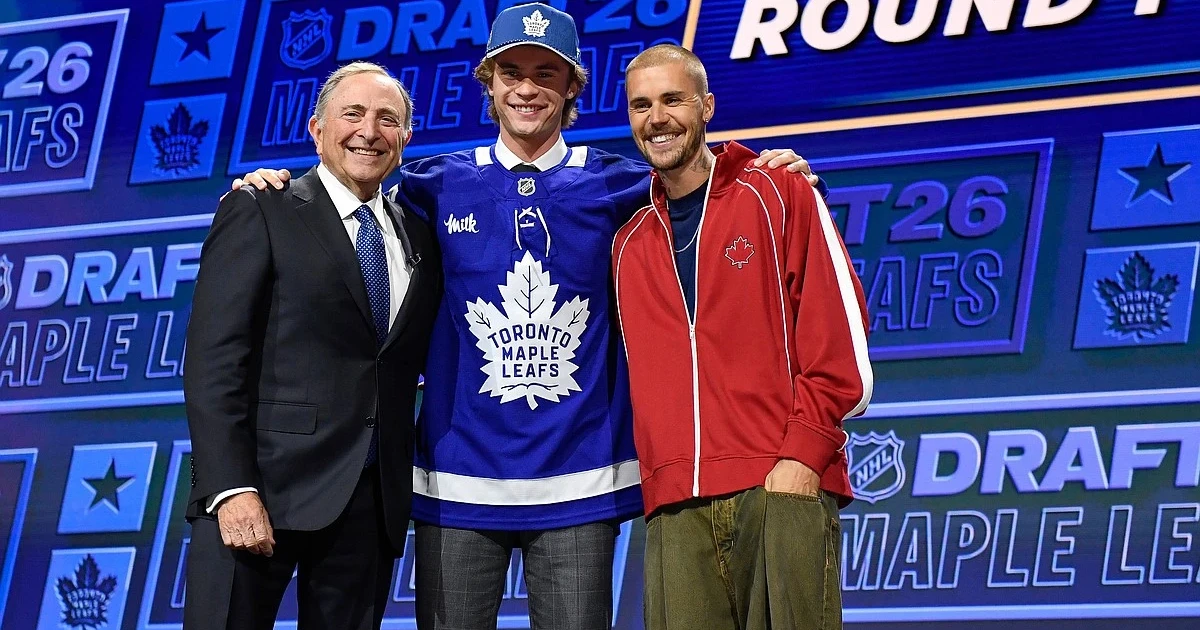
The 2026 NHL Draft opened with a familiar idea and a new stage: the league’s top prospect went first, but the event itself was designed to show the NHL can still make its decentralized format feel like a major production. Toronto used the No. 1 pick on Gavin McKenna, San Jose followed with Anton Stenberg, and Vancouver took Caleb Malhotra third as Buffalo hosted the draft for the fourth time in arena history.
How the top of the board settled
The lottery on May 5 changed the shape of the first round before the postseason was even complete, handing the Toronto Maple Leafs the No. 1 pick and the San Jose Sharks the No. 2 slot. That gave Toronto the easiest decision on the board: McKenna, a Penn State winger who had already become one of the most visible beneficiaries of the rule change allowing Canadian Hockey League players NCAA eligibility.
That matters because McKenna was not just the most prominent name on the board, he represented a development path teams now have to evaluate more carefully. Toronto’s choice signaled confidence in high-end talent over short-term roster patching, a reminder that the draft’s most valuable move is often the one that gives a franchise the clearest long-range ceiling rather than the quickest fix.
San Jose and Vancouver kept the top of the board from drifting into chaos. Stenberg at No. 2 and Malhotra at No. 3 kept the draft’s opening frame orderly, which is often exactly what strong front offices want when the class is top-heavy: secure the player you believe can anchor a future core, then let the rest of the first round sort itself out.
What the first round said about team strategy
This draft did not reward a one-size-fits-all approach. The early selections made the league’s central tension easy to see: some clubs are drafting for immediate NHL readiness, while others are buying time for upside to mature. McKenna fits the latter category in the clearest possible way, because Toronto did not need to reach for a safer but lower-ceiling option when the consensus top talent was still available at No. 1.
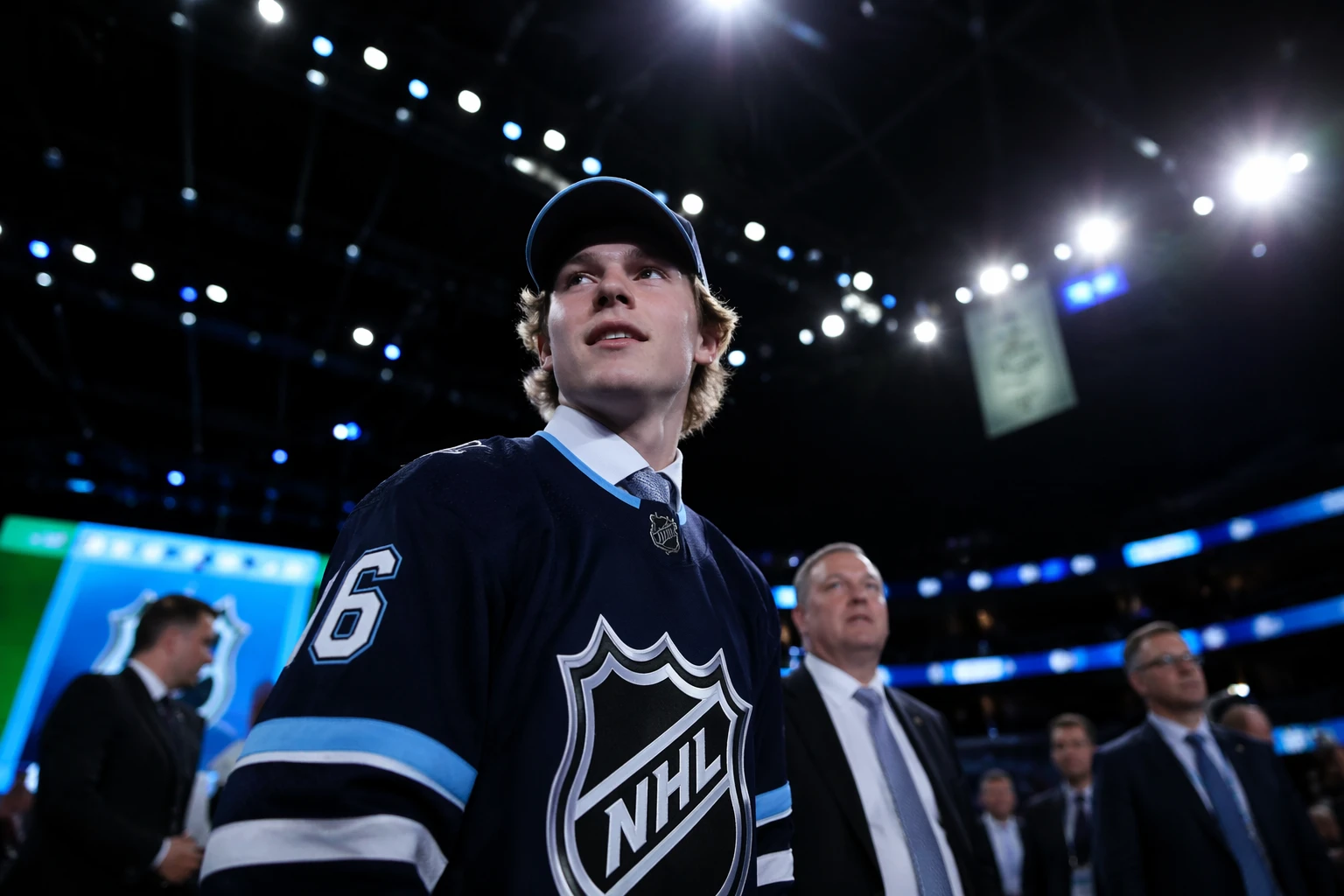
That kind of decision tells you something about how teams view risk. A franchise with patience can take the player whose best seasons may still be years away, especially when the prospect already carries the kind of pedigree that can reshape a pipeline. The teams that moved in that direction were not chasing a quick headline; they were trying to define their next roster cycle before it starts.
The draft also hinted at how the league is changing structurally. With more players now able to move from CHL hockey to the NCAA, the path to the NHL is less linear than it used to be, and McKenna sits near the front of that shift. Teams are not just drafting skating, scoring touch or size anymore, they are drafting timelines, and that makes first-round strategy more about organizational planning than single-night grades.
The broadcast had its own headline moments
The first round was not only about the picks. Justin Bieber announced McKenna as the No. 1 selection, turning an already high-profile moment into one of the night’s most talked-about segments. Minnesota Wild general manager Bill Guerin also picked up the GM of the Year award during the broadcast, adding another layer of ceremony to a night already packed with hockey business and stagecraft.
That matters because the league was clearly trying to make the draft feel larger than a transaction wire. The decentralized format had drawn criticism in 2025 because of technology problems, and the NHL returned to it in 2026 with changes it believed would improve the broadcast. The point was not only to deliver the picks, but to prove the league could make a dispersed draft still look like a single, live event.
Why Buffalo mattered to the league’s experiment
Buffalo was the right city for that test. KeyBank Center became the first arena to host the draft in its decentralized format, which the league introduced last year at The Peacock Theater in Los Angeles. Buffalo had hosted the NHL Draft three times before, in 1991, 1998 and 2016, so the city brought both familiarity and a built-in hockey audience to the league’s latest format check.
The business case was just as clear. Visit Buffalo projected a $3.8 million economic impact from the draft and the surrounding fan events, a meaningful local lift for a city that treats marquee sports weekends as downtown traffic generators as much as entertainment. In that sense, Buffalo was not just a venue, it was part of the league’s argument that the draft can still drive real economic value even when the format is remote and the operations are split across locations.
A draft built on scale, with one tally still floating
The draft ran across June 26 and June 27, with Round 1 on the first night and Rounds 2 through 7 the next day. The full order was set after the postseason and stretched from picks 1 through 224, though one published tally counted 223 prospects across seven rounds. That kind of discrepancy is small, but it is a useful reminder that the league’s draft machinery is now broad enough that even the bookkeeping can look slightly different depending on how the order is counted.
What is not in dispute is the shape of the class at the top. Toronto took the cleanest star bet in McKenna, San Jose and Vancouver followed with their own foundational swings, and the NHL used Buffalo to show that its decentralized draft can still carry theater, economic impact and front-office significance all at once.
Sources
- [1]news.google.com
- [2]espn.com
- [3]nhl.com
- [4]nytimes.com
- [5]sportsbusinessjournal.com
- [6]keybankcenter.com
- [7]buffalonews.com
- [8]hockeydb.com
- [9]habseyesontheprize.com
- [10]sports.yahoo.com