World
2026 total solar eclipse to sweep Greenland, Iceland and Spain
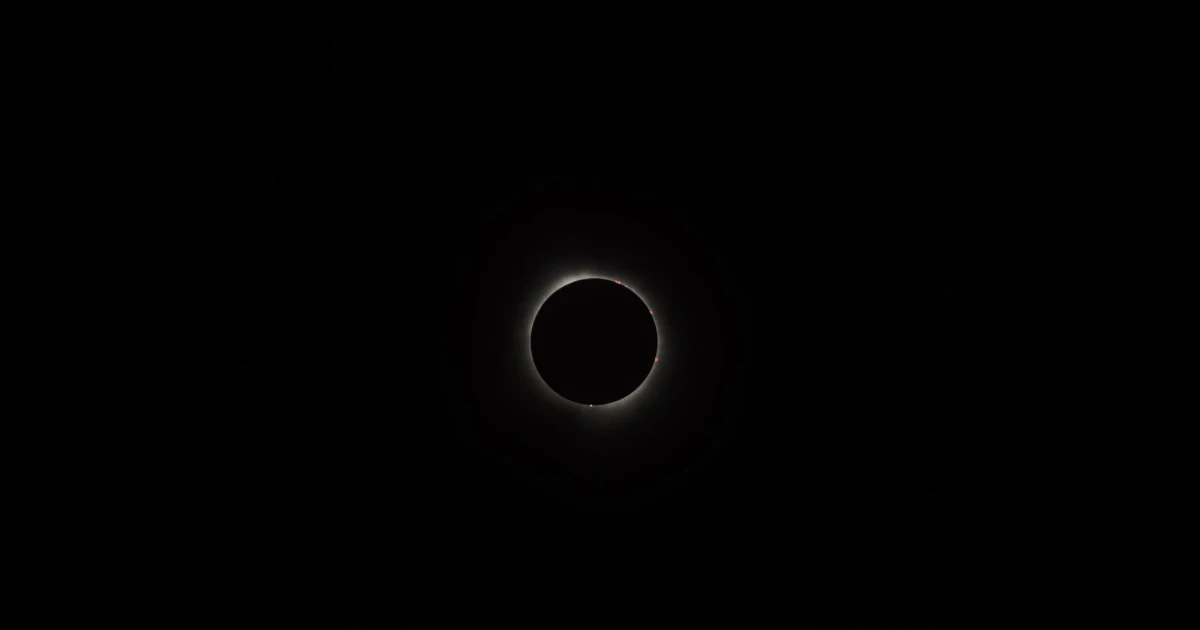
The only total solar eclipse of 2026 will cross the Northern Hemisphere on Wednesday, Aug. 12, with totality over Greenland, Iceland, northern Spain, a tiny section of Portugal and a remote region of Siberian Russia. The maximum total phase will last 2 minutes and 18 seconds, and no location in the United States will see the full eclipse.
For anyone hoping to stand in the Moon’s shadow, the viewing path is narrow and exact. Totality can only be seen from inside that strip, while much of North America, Europe and Africa will get only a partial eclipse. Timeanddate says some U.S. locations will see a partial solar eclipse, but not totality, making this a travel-required event for Americans who want the full spectacle.
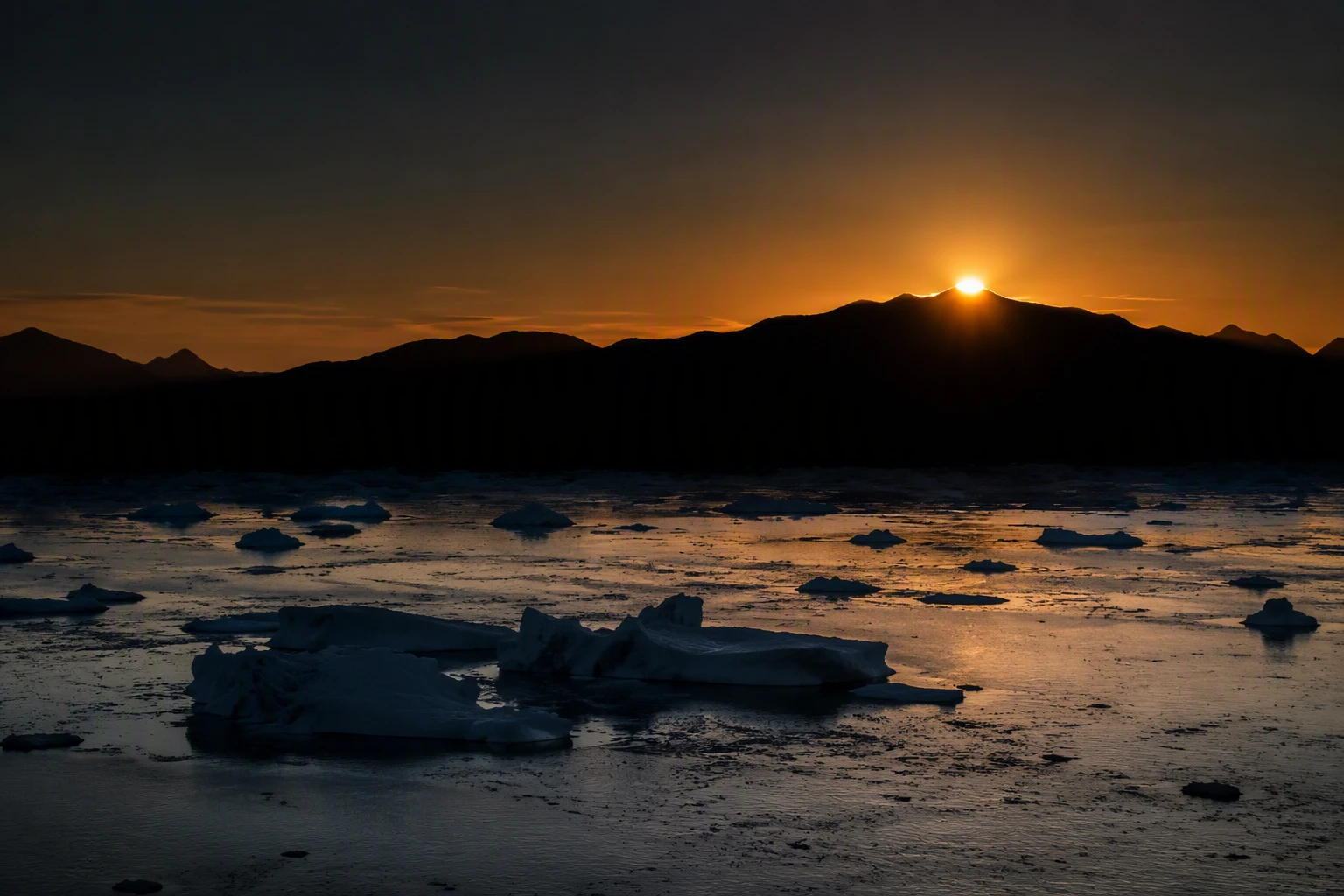
The Royal Observatory Greenwich says the Aug. 12 eclipse will be the best solar eclipse visible from the United Kingdom and Ireland so far this century, with around 90% to 96% of the Sun covered there. That still leaves the event short of totality, but it puts much of the British Isles close to a dramatic daytime darkening, especially compared with areas far outside the path.
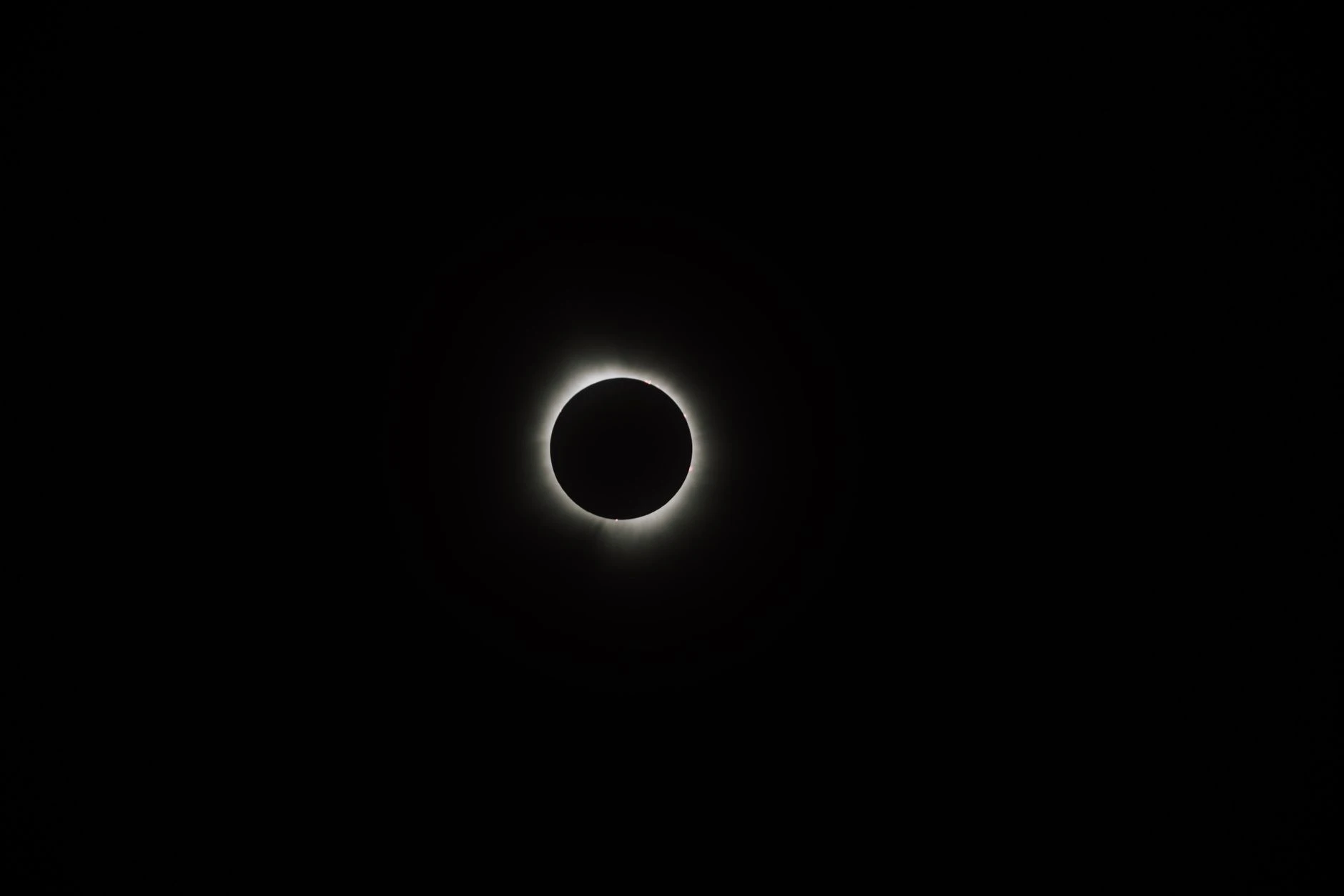
Safety remains non-negotiable. National Geographic warned on Aug. 6 that even a partial eclipse requires proper eye protection. Looking at the Sun without certified eclipse glasses or a safe projection method can cause permanent eye damage, whether the eclipse covers 10% of the Sun or 95%.
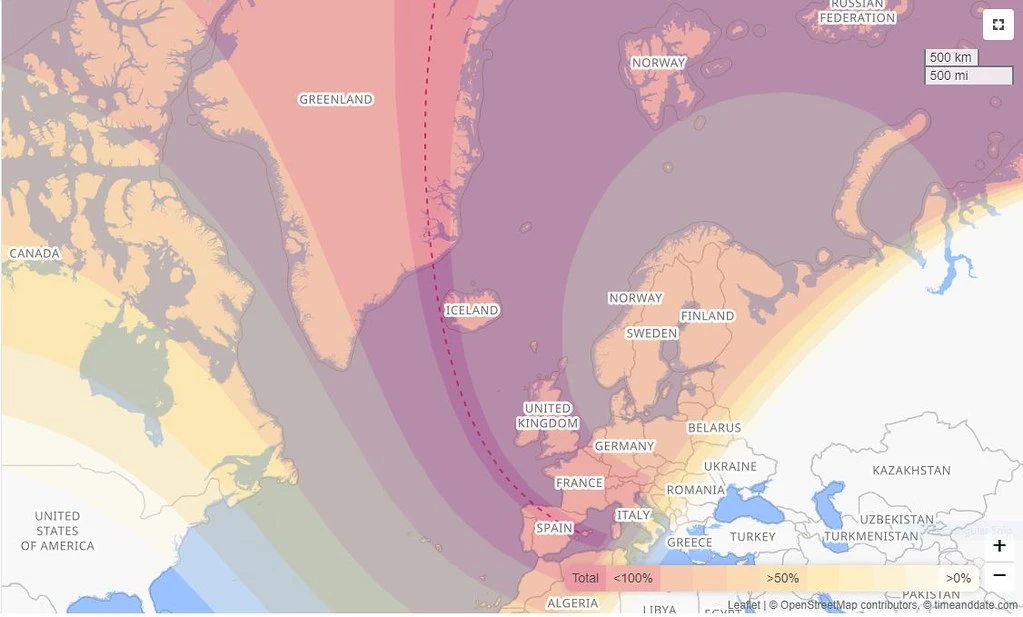
NASA’s eclipse calendar lists the Aug. 12 event as one of two solar eclipses in 2026, alongside an annular eclipse on Feb. 17. The European Space Agency published a global map for the eclipse on May 4, and NASA’s animated visualization shows the Moon sliding in front of the Sun as its shadow sweeps across the Northern Hemisphere.
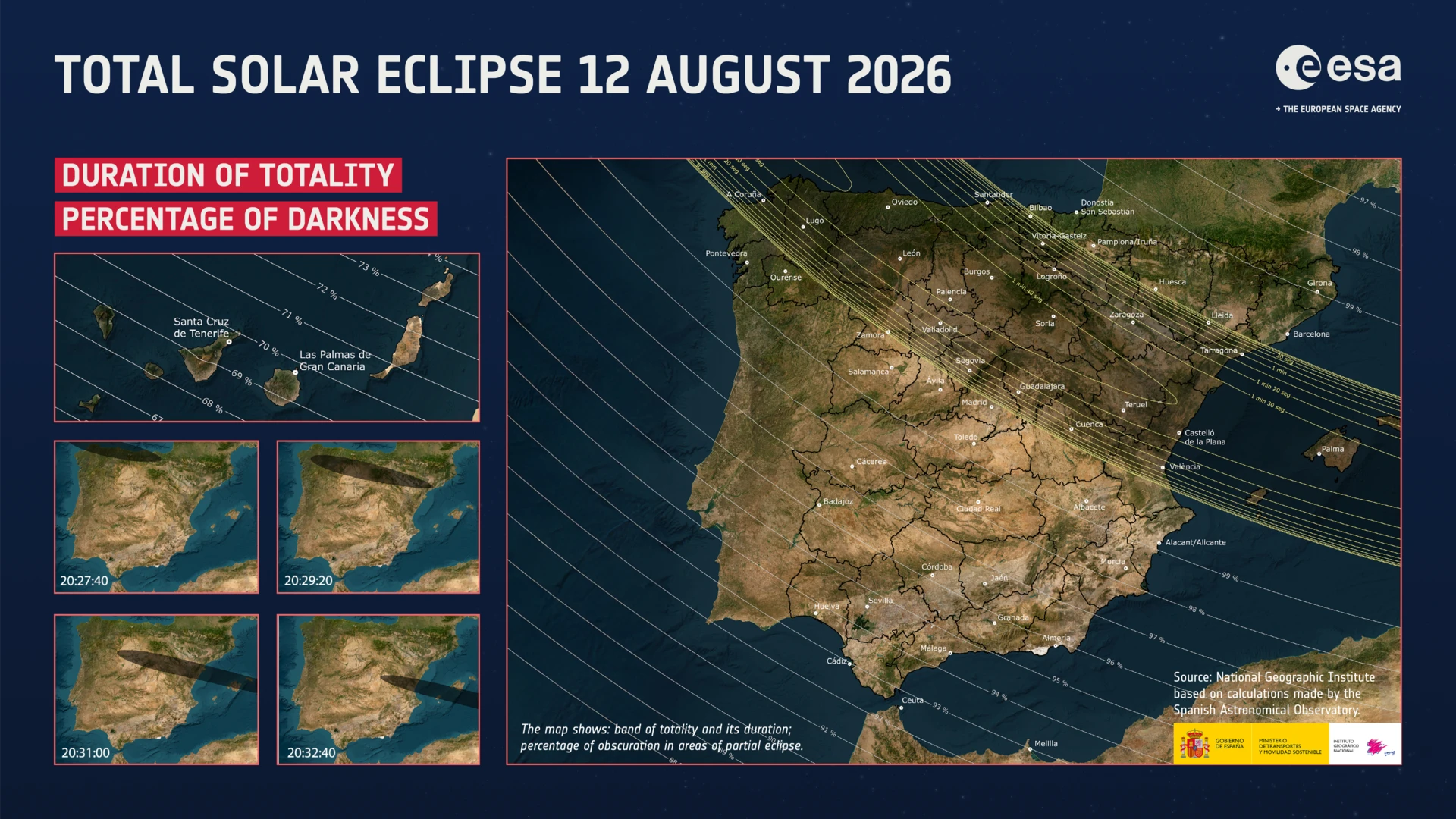
For observers in Greenland, Iceland and Spain, the attraction is the rarity of totality itself. For everyone else, the practical choices are a partial view, a safe indirect setup or a trip into the narrow path where day briefly turns to twilight.
Sources
- [1]cbsnews.com
- [2]science.nasa.gov
- [3]eclipse.gsfc.nasa.gov
- [4]nationaleclipse.com
- [5]nationalgeographic.com
- [6]rmg.co.uk
- [7]esa.int
- [8]eclipsophile.com
- [9]timeanddate.com
- [10]forbes.com
- [11]afar.com