Entertainment
2026's biggest style moments, from red carpets to spaceflight
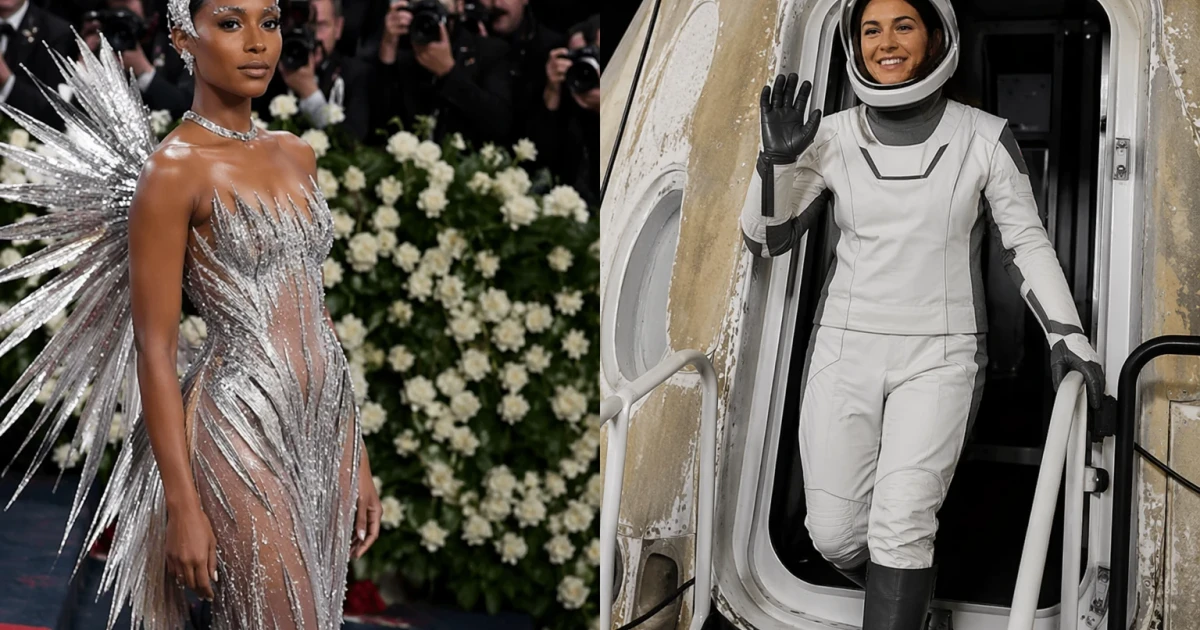
On red carpets, on set, onstage and even up in space, fashion has become one of the sharpest ways celebrity culture broadcasts status, identity and influence. The Styles Desk’s July 7 roundup treats style as more than spectacle: it is a year-to-date map of viral moments, public persona and the images that have set the tone for 2026 so far.
A snapshot, not a final tally
The framing matters here. The list is described as “The 39-ish Most Stylish People of 2026, So Far,” which makes the count approximate rather than rigid and signals that the story is taking stock of a moving year rather than handing down a sealed verdict. That looseness fits a fashion landscape that has already been shaped by awards shows, red-carpet turns and the rapid online afterlife that follows both.
The roundup also sits inside a particularly active stretch of 2026 style coverage. By early July, the year had already produced major fashion flashpoints at the Grammys on February 1, the Actor Awards on March 1, the Met Gala on May 4 and the BET Awards on June 28, each feeding a wider conversation about who gets attention, what that attention means and how clothing becomes part of the story.
Red carpet dressing as performance
The Grammys set an early tone for the year, with rising music stars using the red carpet to express their personas and put style at the center of their public arrival. That idea, music as self-definition through clothes, has become one of the defining patterns of 2026 fashion coverage. At a moment when artists are expected to arrive already understood as brands, the red carpet has become a stage for making identity legible before a note is sung.
The Actor Awards added a different kind of polish to that same dynamic. Hosted by Kristen Bell, the March 1 event drew fashion attention for arrivals from Kristen Bell herself, Jenna Ortega, Teyana Taylor, Kate Hudson and Seth Rogen. The range of those names captures how red-carpet dressing in 2026 is less about one uniform idea of glamour than about different public figures using clothing to manage tone, personality and control.
The Met Gala turned spectacle into argument
If any event defined fashion as cultural debate this spring, it was the Met Gala on May 4. E! Online said the attendees “certainly belong in a museum,” a line that captured the event’s central theme without reducing it to costume alone. The dress code, “Fashion Is Art,” invited interpretations that were designed to be discussed as much as admired, and the guest list made that conversation unavoidable.
Nicole Kidman, Beyoncé and Teyana Taylor were among the names singled out in that coverage, and the impact of the night came from the way each look had to perform on several levels at once. The clothes had to photograph well, land in social feeds, and hold up as an argument about what counts as art when celebrity and fashion are inseparable.
BET Awards arrivals kept the spotlight moving
Just under two months later, the BET Awards on June 28 shifted the attention to a different red-carpet language, one rooted in performance, presence and audience energy. Coverage highlighted Druski, Olandria Carthen and Teyana Taylor among the arrivals that drew notice, showing how quickly the style conversation moves from one event to the next while still circling the same core question: who controls the image.
That June moment reinforced a broader pattern in 2026. Fashion’s influence no longer depends only on the traditional glamour of gowns and tailoring; it also comes from how a look travels online, how fast it becomes commentary and how effectively it signals that a celebrity understands the moment they are in.
Status dressing, nostalgia and the language of visibility
Across these events, the year’s style story has been about more than great clothes. It has been about performance dressing, where the outfit is built to communicate purpose; nostalgia, where familiar shapes or references help anchor a public image; and wealth signaling, where the scale, finish and exclusivity of a look can matter as much as the design itself. In a crowded media environment, the most effective clothes are the ones that can be read instantly and debated widely.
That is why the roundup’s emphasis on viral moments makes sense. The style choices that last in the public memory are often the ones that turn into shorthand, whether they are tied to a red-carpet entrance, an awards-show persona or a look that travels far beyond the event itself. In 2026, fashion has not simply accompanied celebrity culture; it has helped organize it.
Why the list reaches beyond Earth
The phrase “up in space” widens the frame in a telling way. It suggests that the year’s most discussed style moments are no longer confined to premieres, arenas or theater steps, but can extend into spaceflight and space-themed appearances, where clothing becomes part of a larger statement about visibility and modern prestige. Even without relying on a single conventional venue, the point is clear: celebrity style now occupies the same symbolic territory as the most watched public institutions.
That expansion matters because it shows how elastic the idea of a style moment has become. A look can emerge from a museum-scale Met Gala theme, a music-first awards carpet, a television-hosted event or a setting that reaches beyond the atmosphere, and still be part of the same cultural conversation. In 2026, fashion is not just dressing stars for the room they are in; it is helping define the room itself.
Sources
- [1]nytimes.com
- [2]eonline.com
- [3]usnews.com
- [4]revolt.tv
- [5]bet.com