Technology
3D-printed gun-shaped case for Xteink X4 e-reader sparks debate

Luke The Maker, a Louisville, Kentucky-based creator, showed off a 3D-printed pistol-shaped case for the Xteink X4 e-reader that places the 4.3-inch device vertically on top of a mock handgun slide. A cutout on the side leaves the X4’s buttons reachable, but the overall profile reads close enough to a Glock-style pistol to trigger a serious public-safety conversation, not just a novelty reaction.
The Xteink X4 has already built a small but intense following as a pocket e-reader. Wirecutter described the X4 and X3 as a viral “Purse Kindle” that is tiny, adorable, and a lot of work, while users in r/ereader have called it tiny, restrictive and customizable, with some saying the limitations help them read more. Xteink sells a magnetic case for the device on its own site, and third-party sellers list slim TPU and hard-shell covers on Etsy and Amazon, showing that the accessory market around the device is already active.

That is part of why the gun-shaped version has landed so sharply. A case that can be mistaken at a glance for a concealed handgun sits uncomfortably close to the real-world decisions made by police officers, transit workers and bystanders in places where carrying firearms is legal and where a split-second misread can turn dangerous. The object is not a weapon in function, but its visual similarity to a handgun makes it a test case for how quickly an accessory can become a public-order problem.
The debate also runs into the long, unfinished fight over 3D-printed weapons and gun-adjacent hardware. In 2014, The Verge reported that a 3D-printed gun maker in Japan was sentenced to two years in prison, and more recent attention has followed 3D-printed Glock frames in the UnitedHealthcare CEO murder case and Chicago’s lawsuit against Glock over a 3D-printable machine-gun converter. Those episodes have kept lawmakers focused on gun files, parts and conversion devices, but the Xteink case shows a harder question: whether consumer accessories that only mimic a gun can still create the kinds of risks regulators are trying to stop.
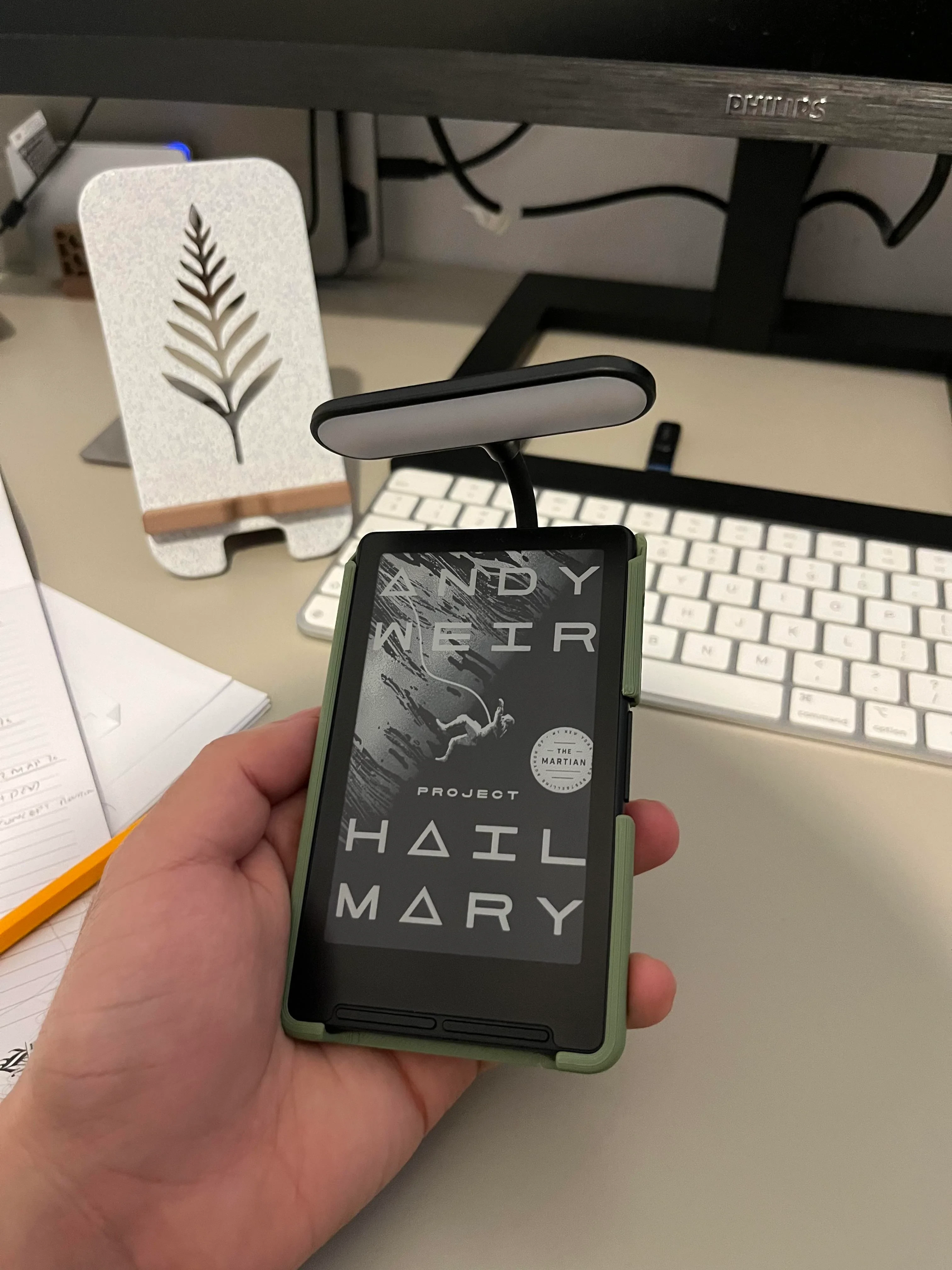
The accessory’s appeal comes from the same place as the e-reader itself, a compact design that some readers love because it is so odd and so limited. Its shape also shows how quickly a harmless object can become a legal and policing problem when it looks enough like a firearm to change how people react before they know what they are seeing.
Sources
- [1]theverge.com
- [2]wellappointeddesk.com
- [3]etsy.com
- [4]youtube.com
- [5]facebook.com
- [6]techcrunch.com
- [7]sixcolors.com
- [8]nytimes.com
- [9]reddit.com
- [10]404media.co
- [11]uk.pcmag.com