Technology
3D Printing Offers Simple Solution for Zipper Repairs
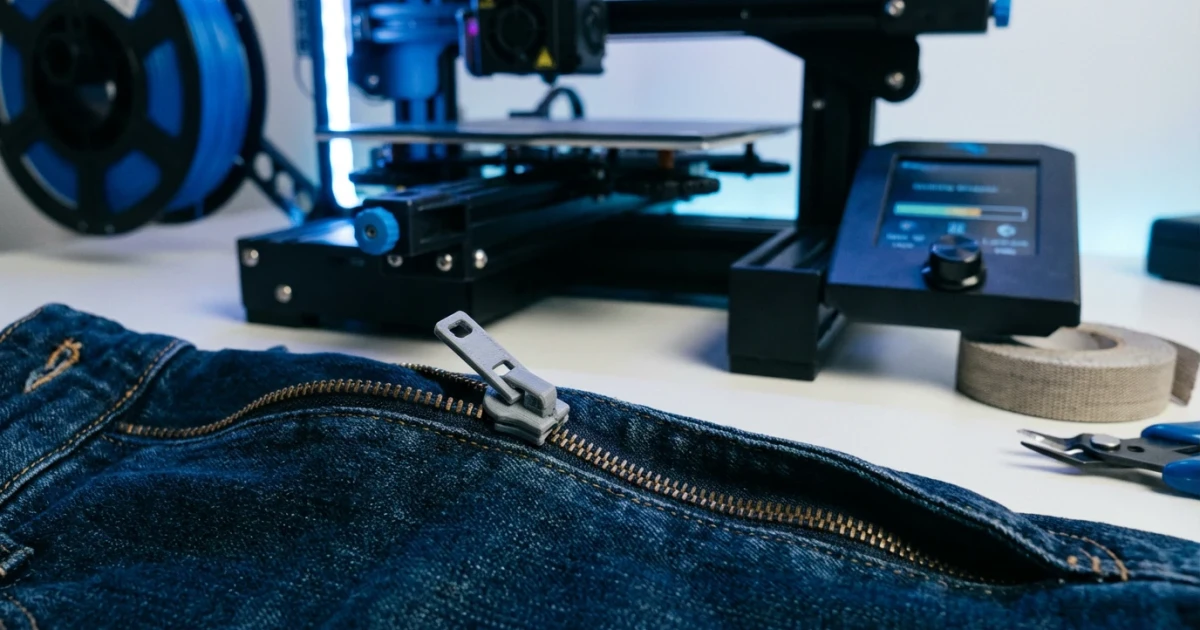
Repairing a broken zipper has long been a frustrating chore, often requiring tedious unpicking of stitches or even total garment replacement. A recent demonstration by Hackaday reveals that 3D printing technology is offering a practical, user-friendly fix for this common problem, letting anyone restore zipper function without unsewing or specialized tools.
Innovation in Zipper Repair
Most traditional zipper repairs require either removing and replacing the entire zipper or delicately restitching parts, a process that can be intimidating to non-experts. The new approach, showcased by Hackaday, involves using a 3D printer to fabricate a replacement zipper slider. The key breakthrough is a design that can be clipped onto the zipper track, restoring smooth operation without dismantling the garment.
- This method eliminates the need for sewing skills or access to a tailor.
- It leverages the growing accessibility of home 3D printers, which have become increasingly affordable and user-friendly.
- The printed part is customized to fit standard zipper sizes and is designed for easy installation.
How the Printed Repair Works
The process starts with downloading or designing a printable zipper slider compatible with the broken zipper. Once printed, the new slider is snapped onto the zipper’s teeth, immediately restoring function. The Hackaday article notes that the repair can typically be completed in minutes, making it practical for everything from jackets to backpacks.
For those unfamiliar with zipper mechanics, resources such as this step-by-step zipper repair guide explain common zipper parts and issues, providing context for how the printed solution works.
Broader Impacts and Industry Context
This innovation arrives as the global zipper market continues to grow, with billions of zippers manufactured each year for clothing, bags, and outdoor gear. The durability of zippers is a focus for standards organizations like the International Organization for Standardization, which sets test methods for zipper performance and repairability. A repair method that avoids unsewing could help extend the lifespan of countless textile products, reducing waste and saving consumers money.
Research published on 3D printing in textile repair underscores the potential for additive manufacturing to transform clothing maintenance, from fast prototyping to creating customized repair parts like zipper sliders. As Hackaday’s demonstration shows, these advances are moving from research labs into everyday use.
The Evolution of Zipper Technology
The zipper has undergone significant evolution since its invention, as detailed in industry histories. Early designs were cumbersome and difficult to repair, but modern zippers are more reliable and standardized. The ability to quickly print a repair part tailored to a specific zipper size marks a new phase in the zipper’s story—one that empowers consumers to take repairs into their own hands.
Looking Forward
While 3D-printed zipper repairs aren’t yet a mainstream solution, Hackaday’s article highlights how emerging technologies are democratizing garment maintenance. As more templates and guides become available, and as 3D printers proliferate, the process of fixing everyday items like zippers could become as routine as replacing a button.