Health
445 birds euthanized after bird flu found at Rhode Island market
A routine federal test at Antonelli Poultry in Providence ended with 445 birds being euthanized after H5N1 avian influenza was detected, a response Rhode Island officials said was necessary to keep the virus from spreading to other birds. The birds included live chickens and ducks, and state officials said they came from out-of-state dealers rather than Rhode Island farms.
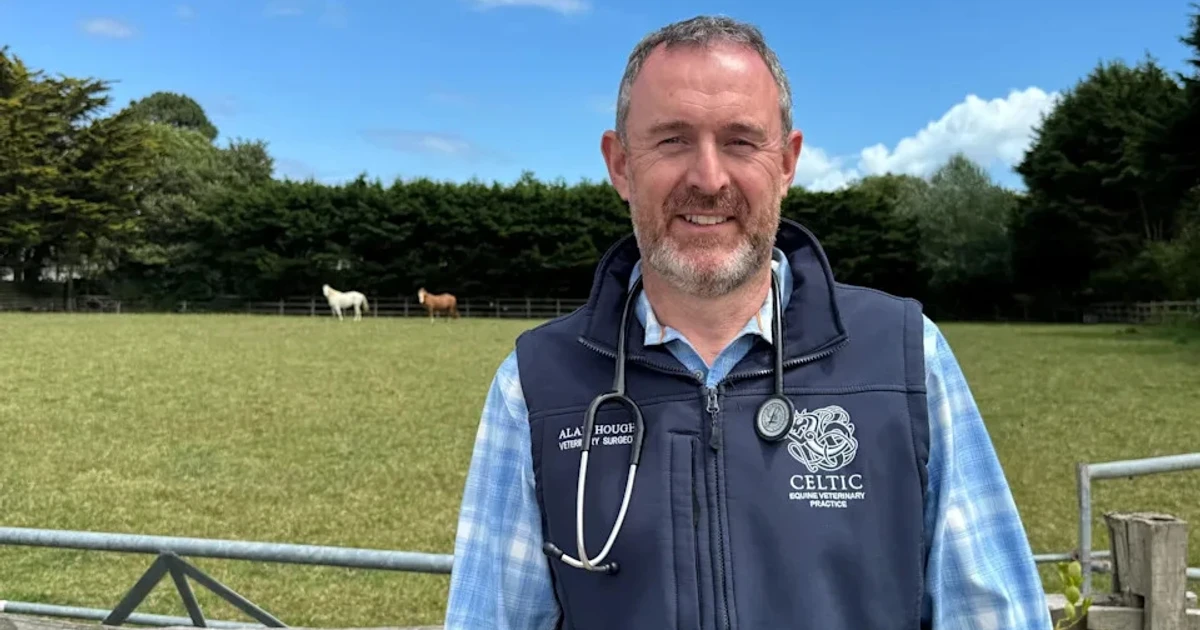
Rhode Island state veterinarian Scott Marshall oversaw the humane euthanasia on June 13, 2026, after the positive result turned up during routine quarterly testing by the U.S. Department of Agriculture. The Rhode Island Department of Health and the Rhode Island Department of Environmental Management said the birds were asymptomatic when they were removed from the market.
The case gives a close look at how bird flu surveillance works at the point where live animals are sold. USDA monitoring is designed to catch highly pathogenic avian influenza in commercial and backyard birds, wild birds, and dairy cattle, and Rhode Island officials said the same federal-state system is intended to identify infections before products enter the food chain. State officials also emphasized that the U.S. food supply remains safe and that properly cooked chicken from the market poses very low risk.
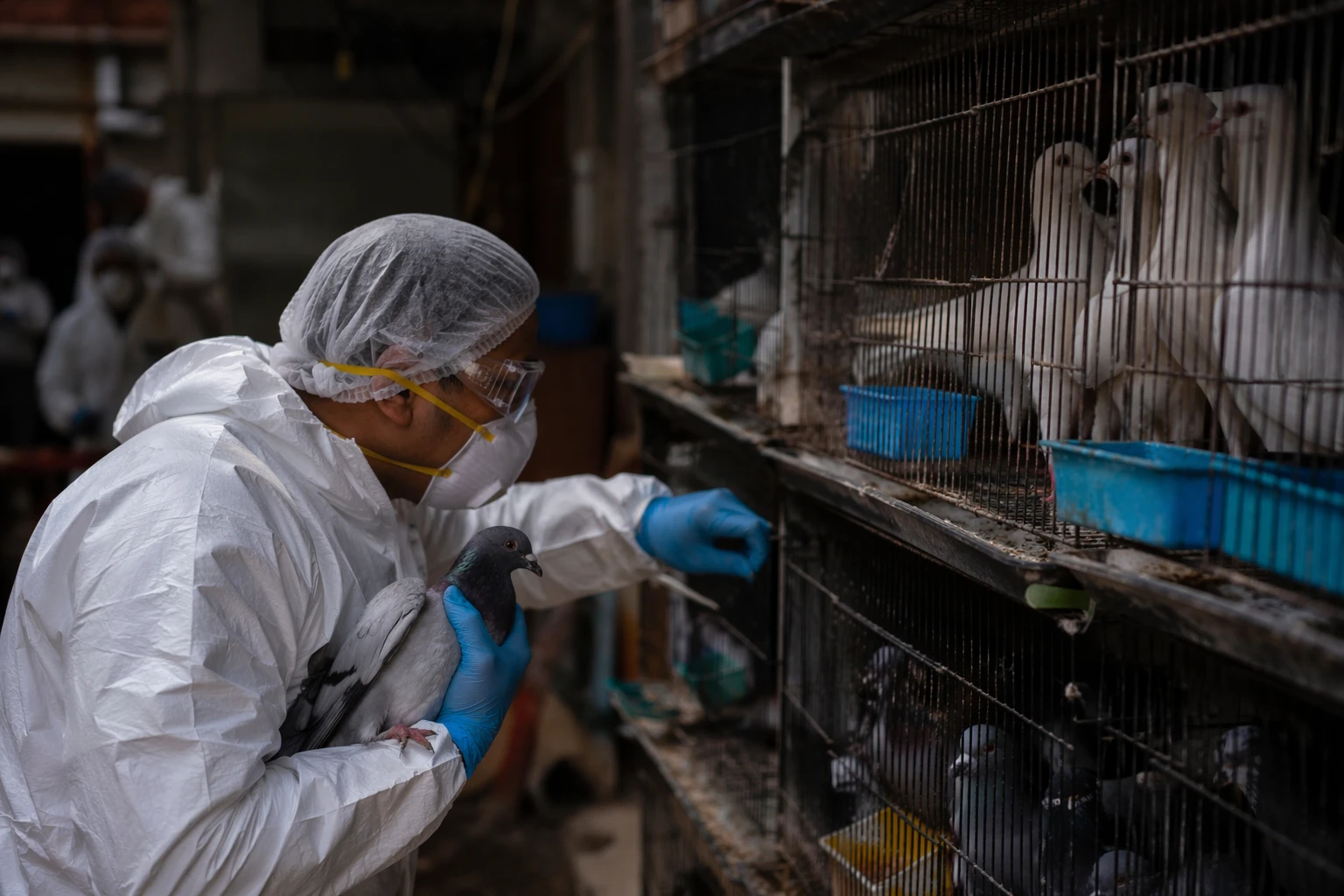
For Antonelli Poultry, the immediate consequences are severe. The market must remain closed until five days after the infected birds are disposed of and the premises are cleaned and sanitized. RIDOH is monitoring staff for 10 days for possible symptoms because workers may have been exposed, even as officials said the overall risk to humans remains low.
Rhode Island officials said this is the state’s first confirmed domestic bird case of avian influenza in 2026, a reminder that even a single market detection can ripple outward. Backyard flock owners, live-animal sellers, and public health teams are all watching the same question now: whether this was a contained event caught by routine testing, or the first sign of wider circulation among birds moving through the region.
Sources
- [1]news.google.com
- [2]dem.ri.gov
- [3]health.ri.gov
- [4]turnto10.com
- [5]golocalprov.com
- [6]aphis.usda.gov
- [7]cdc.gov