US News
48 Hours revisits Hannah Graham case, Jesse Matthew’s life sentences
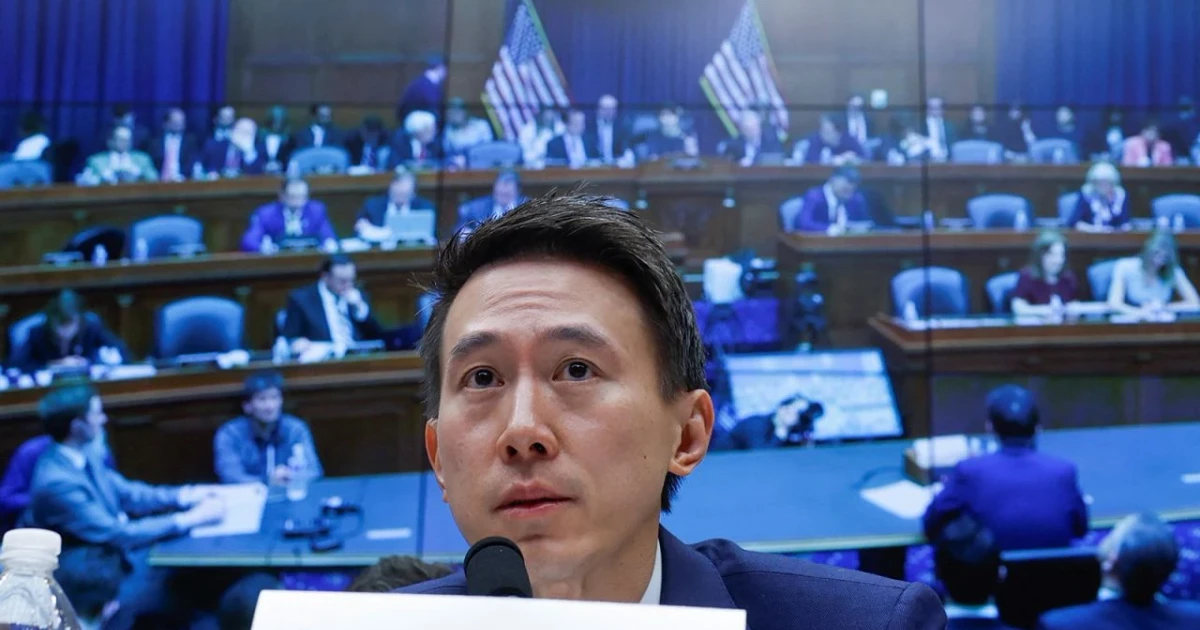
CBS brought Hannah Graham’s disappearance back to national attention with a two-part “48 Hours” special on June 11, 2016, tracing how investigators connected a University of Virginia student’s case to a wider pattern of violence across Virginia. The episode centered on Jesse Leroy Matthew Jr., the man police and prosecutors linked to Graham’s killing and to the 2009 murder of Virginia Tech student Morgan Harrington.
Graham was 18 when she vanished in Charlottesville on September 13, 2014, after a night out with friends. Her disappearance drew intense attention in the Charlottesville community and put pressure on city police, university officials and Albemarle County authorities as the search widened. Charlottesville Police Chief Tim Longo repeatedly pledged that investigators would keep looking until Graham was found.
The case took another turn when remains believed to be Graham’s were found in Albemarle County. Her parents, John and Sue Graham, publicly thanked police after the discovery, a moment that underscored how much of the investigation had already stretched beyond the borders of a single campus or city.
Matthew pleaded guilty on March 2, 2016, in a deal that avoided the death penalty. He received four consecutive life sentences without parole for the Graham and Harrington cases. The punishment closed one chapter of the investigation while leaving open the larger question of how two young women, separated by five years and different campuses, could be tied to the same defendant.
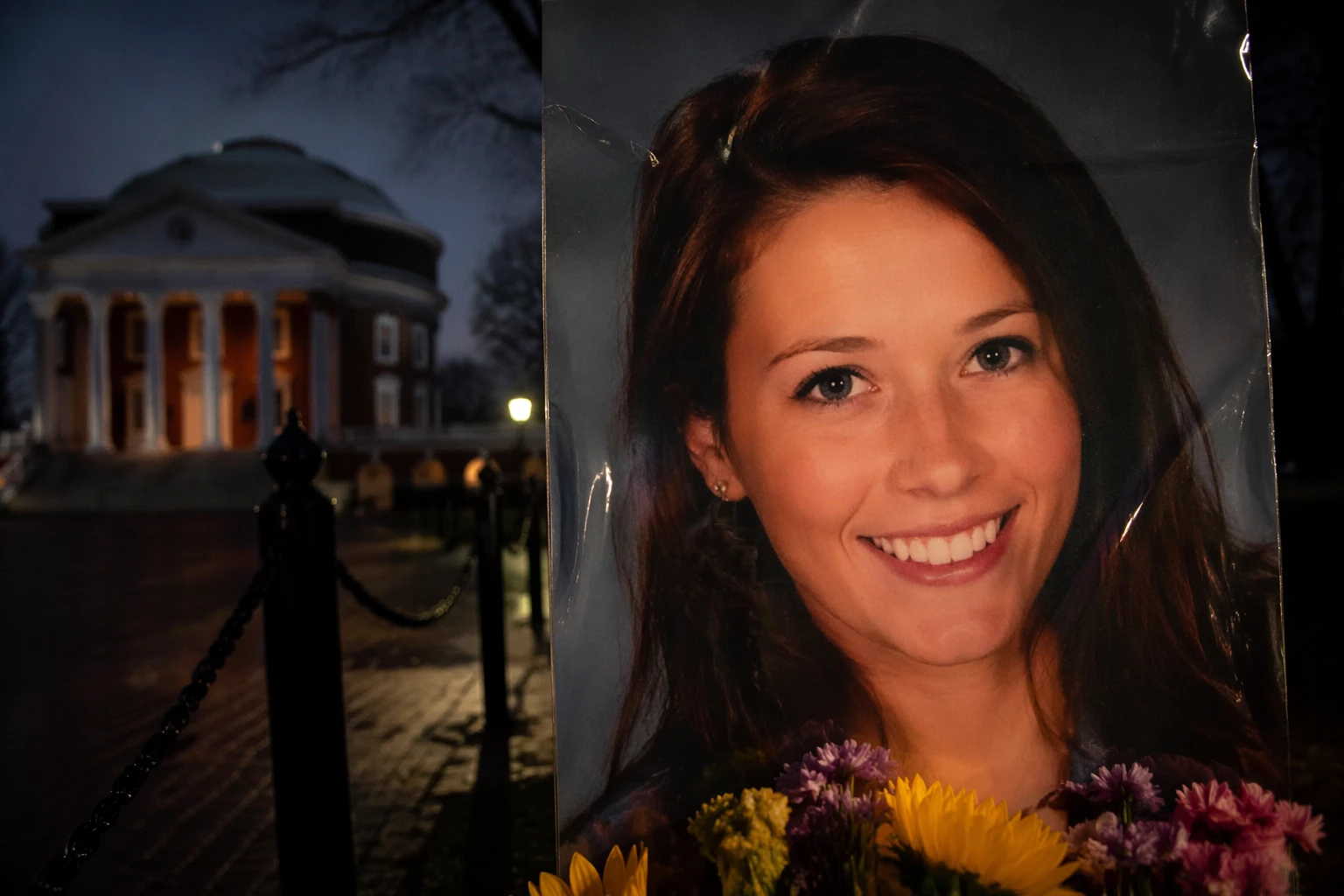
That broader pattern was the point of the CBS special. The broadcast connected Graham’s case to other Virginia disappearances over roughly a decade, including Alexis Murphy, and framed the investigation as one that depended on surveillance evidence, forensic science and the willingness of investigators to look across jurisdictions for links that were not obvious at first. CBS News said the program included interviews with investigators and families of other young women who may have been victims, along with details on how science helped match multiple cases.
For Charlottesville and the University of Virginia, the case became a marker of what can happen when a missing-student investigation breaks out of its initial perimeter and forces police to coordinate evidence across county, city and campus lines. It also exposed the vulnerability of students who move between familiar campus spaces and the downtown nightlife corridor, where Graham was last seen before her disappearance.