World
48 survivors found after Vietnamese vessel sinks in South China Sea
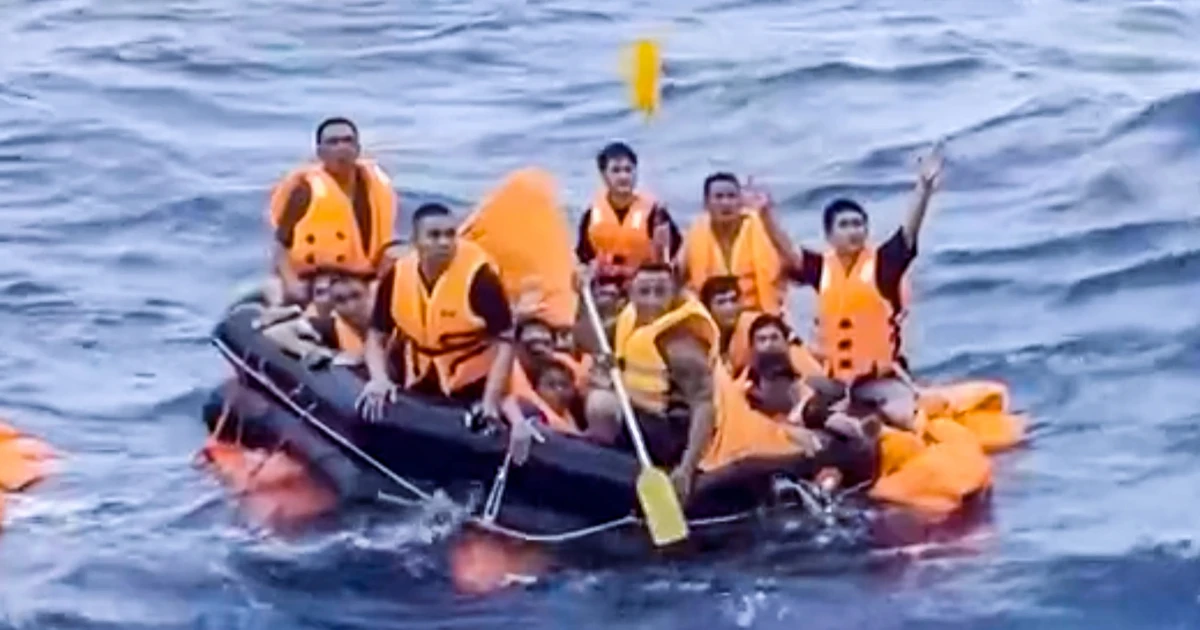
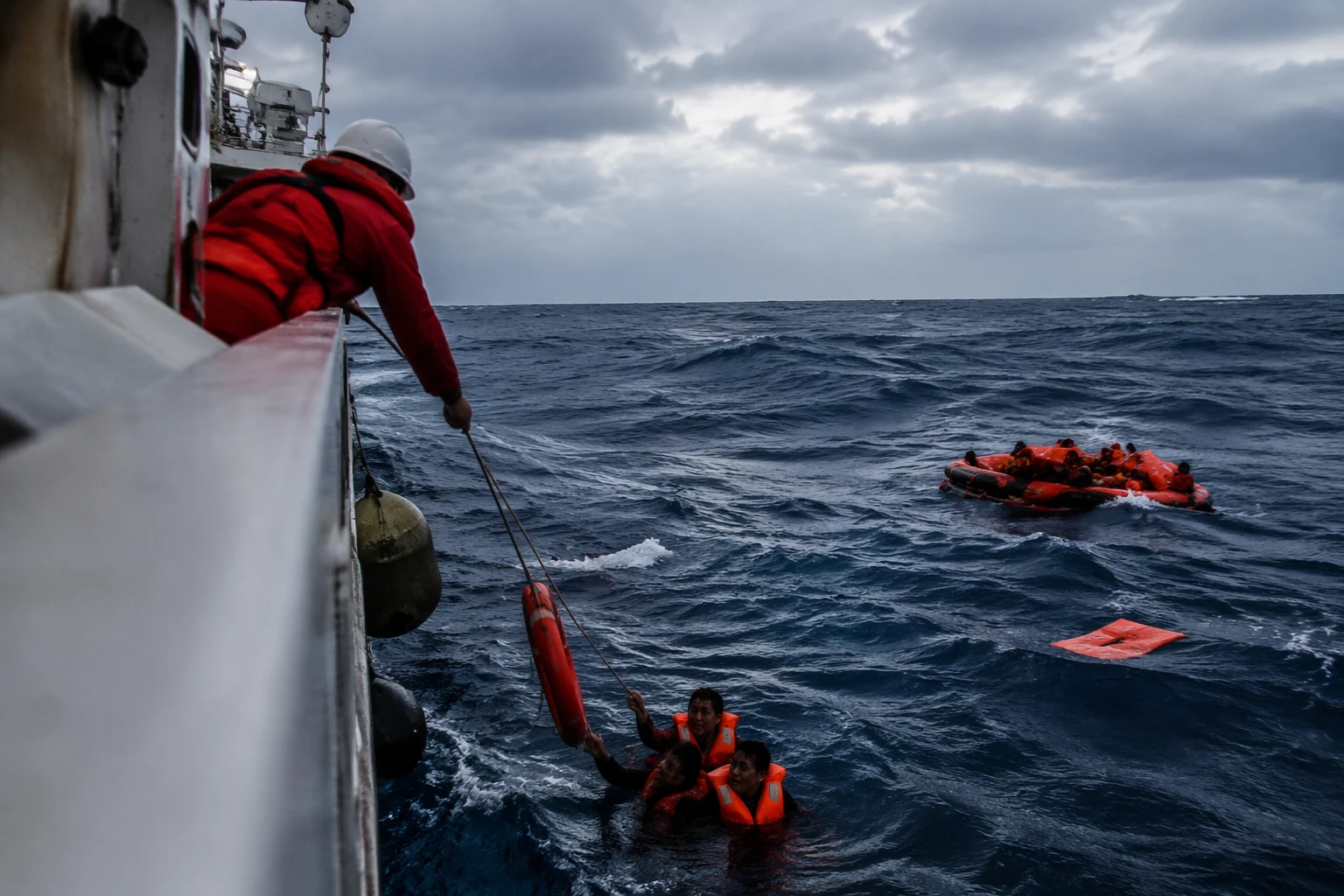
Rescuers pulled 48 people from the water after the Vietnamese cargo ship Khoi Nguyen 18 sank near Fiery Cross Reef in the Spratly Islands, leaving other crew members unaccounted for in one of the South China Sea’s most heavily trafficked stretches. The ship went down in severe weather and typhoon conditions, pushing Chinese rescue ships, helicopters and nearby fishing vessels into a search coordinated by the Sansha Maritime Search and Rescue Center and the South China Sea Rescue Bureau.
The vessel had 62 people aboard, all Vietnamese nationals, when it sank. The survivor count moved quickly as crews reached the scene: 39 people were first reported rescued, then 45, before the total rose to 48. Each new survivor added another witness to the final moments before the ship went under, and each one also narrowed the list of those still missing.
The sinking took place near Fiery Cross Reef, a Chinese-occupied feature in the Spratly chain that sits inside a disputed waterway central to regional trade and naval strategy. That geography shaped the response. Maritime authorities and commercial vessels were forced to work across a busy expanse of open water where storm-driven seas, distance and shifting currents can slow searches and complicate recoveries.
For Vietnamese shipping, the loss of the Khoi Nguyen 18 adds another fatal entry to a fleet that moves through some of Asia’s most crowded commercial lanes. The immediate questions now are practical and urgent: what route the ship was taking, whether it was carrying cargo, whether a collision or mechanical failure played any role, and how long it remained afloat before sinking. Those details will determine whether the disaster was driven by weather alone or by a chain of failures that left the crew with too little time to escape.
The rescue effort also underscored how heavily survival at sea can depend on rapid cross-agency coordination. In the South China Sea, where fishing boats, cargo ships and state rescue assets often share the same waters, the difference between a rescue and a casualty count can come down to minutes. Here, the fast deployment of helicopters, rescue ships and local fishing vessels gave more people a chance to live, even as the search for the missing continued.
Sources
- [1]apnews.com
- [2]reuters.com
- [3]aljazeera.com
- [4]straitstimes.com
- [5]wmbdradio.com
- [6]english.aawsat.com
- [7]dw.com
- [8]abcnews.com