World
5.5 magnitude earthquake kills five, displaces 300 in Peru Andes
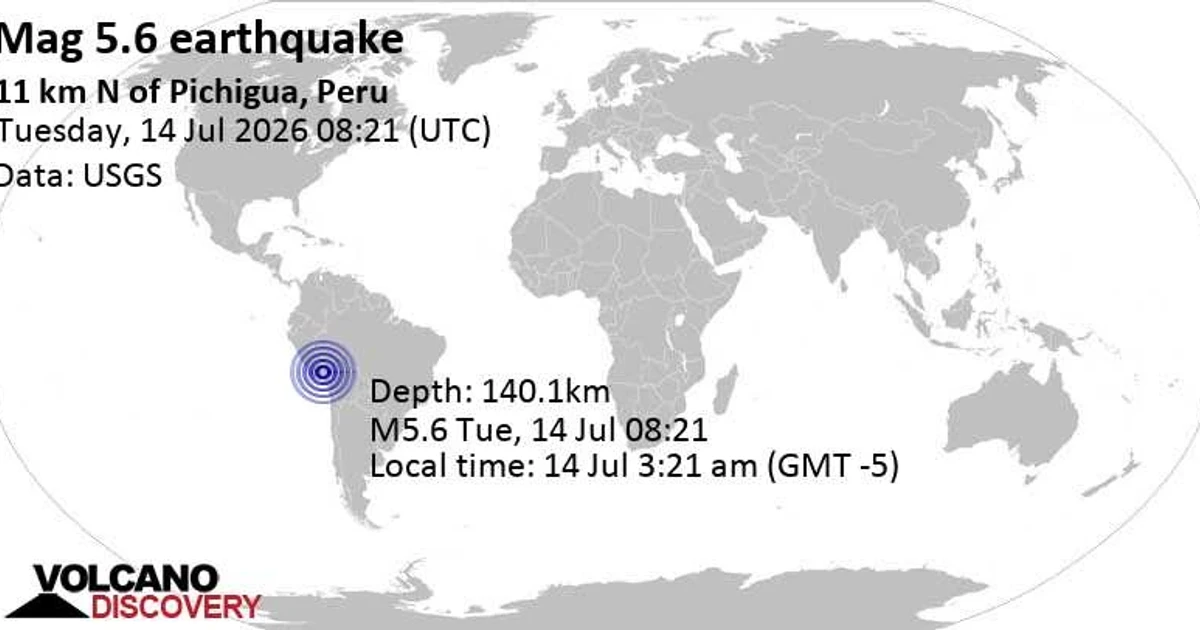
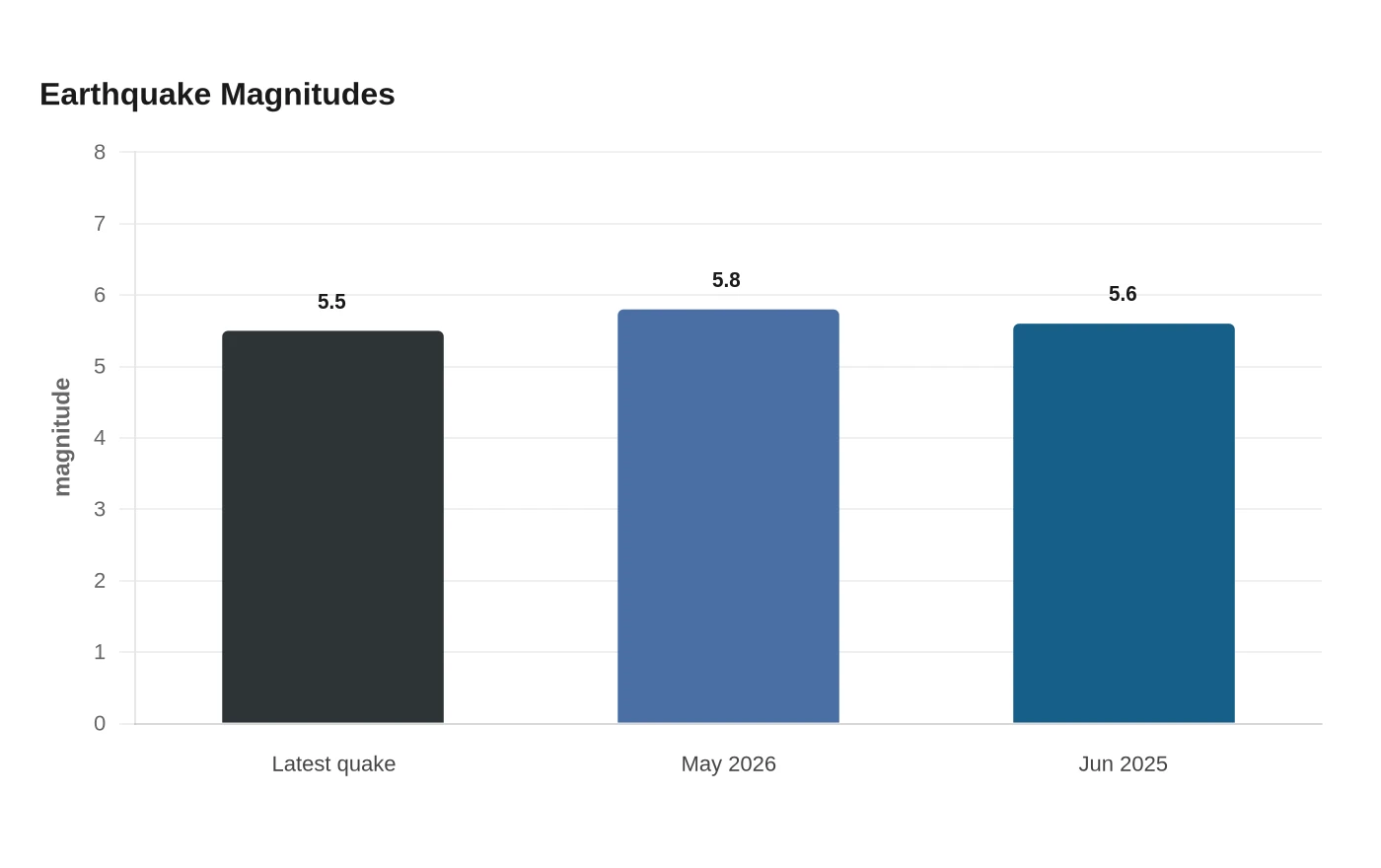
A shallow magnitude 5.5 earthquake struck Peru’s Andes region at 9:24 p.m. local time on Saturday, killing at least five people, injuring more than 20 and displacing about 300 residents. The U.S. Geological Survey placed the epicenter 2 kilometers west-southwest of Sicaya in Huancayo province and said the quake was 10 kilometers deep, a depth that can send stronger shaking to the surface.
Peru’s National Civil Defense said rescue and response efforts were underway as officials assessed damage and helped displaced families. The immediate needs were clear from the toll alone: five dead, dozens hurt and hundreds forced from homes that may have collapsed or become unsafe after the shaking. Local media images captured the anguish of victims’ relatives as debris from damaged houses covered streets in the quake zone.
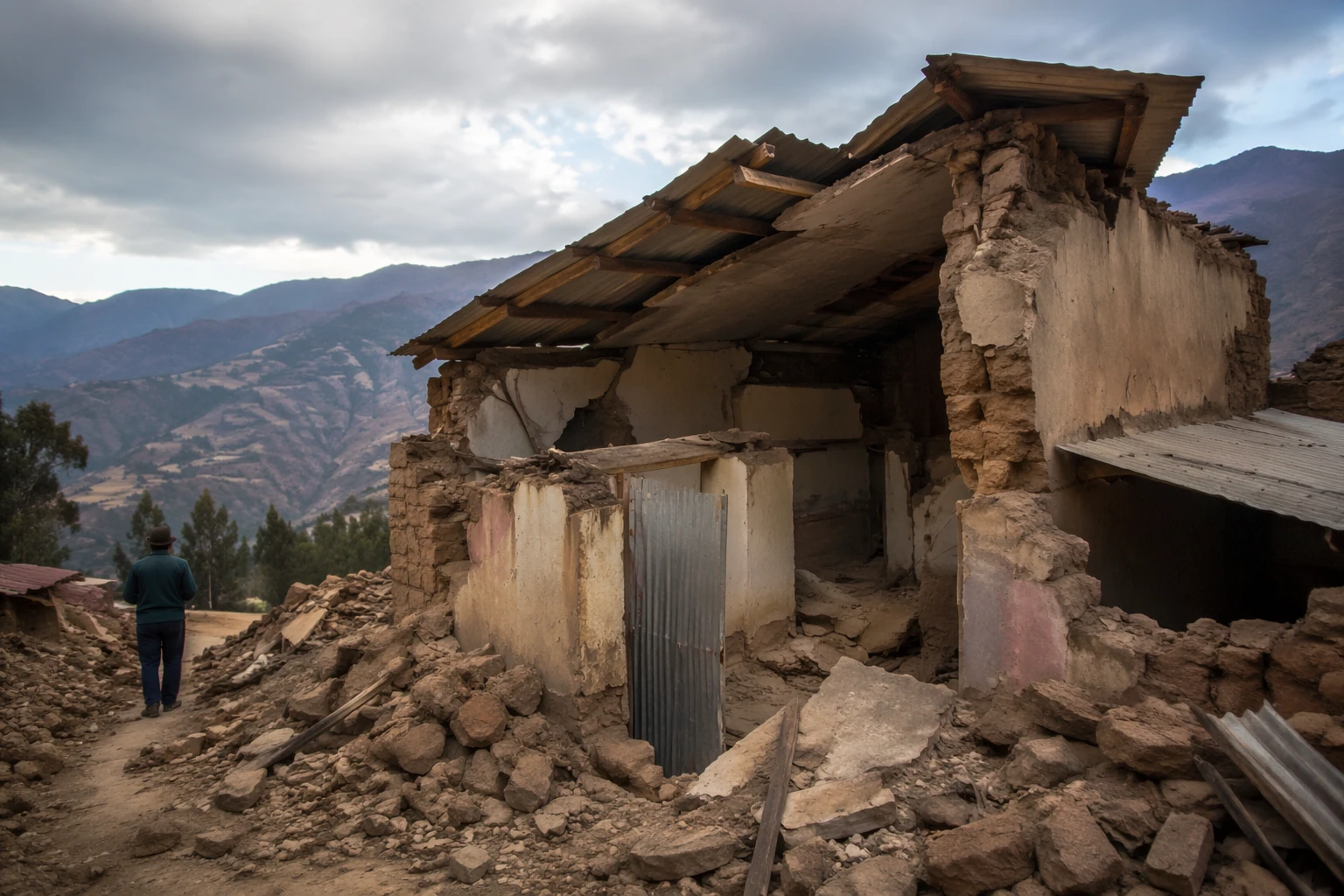
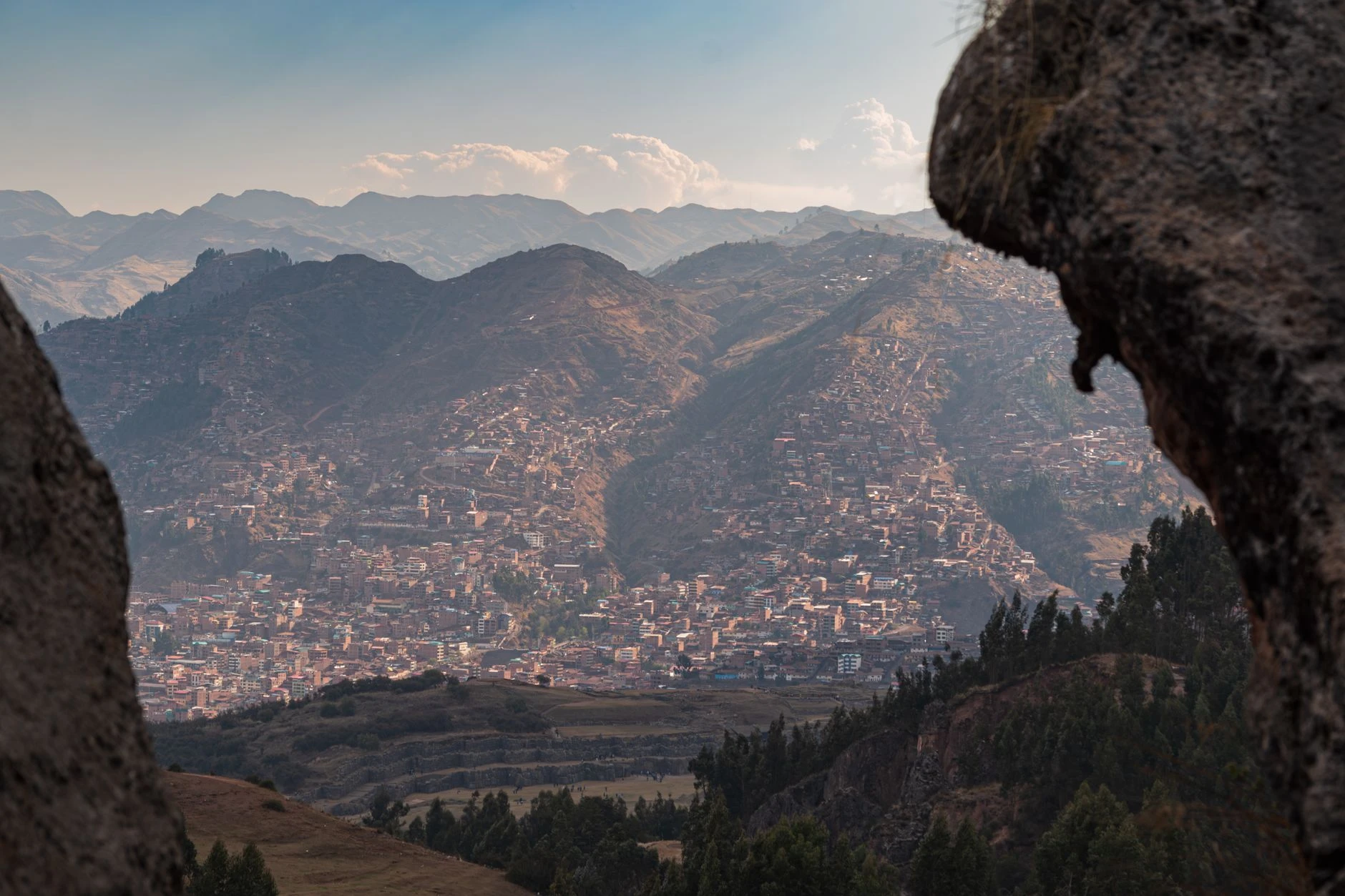
The impact exposed the fragility of mountain communities where steep terrain can magnify the danger of even a moderate earthquake. Shallow quakes can shake homes, roads and hillside settlements hard enough to crack walls, block access routes and cut off aid to remote districts. In this case, the displacement of roughly 300 people pointed to a housing stock with little margin for error, whether from older construction, weakened structures or the difficulty of building to withstand strong ground motion in rural terrain.
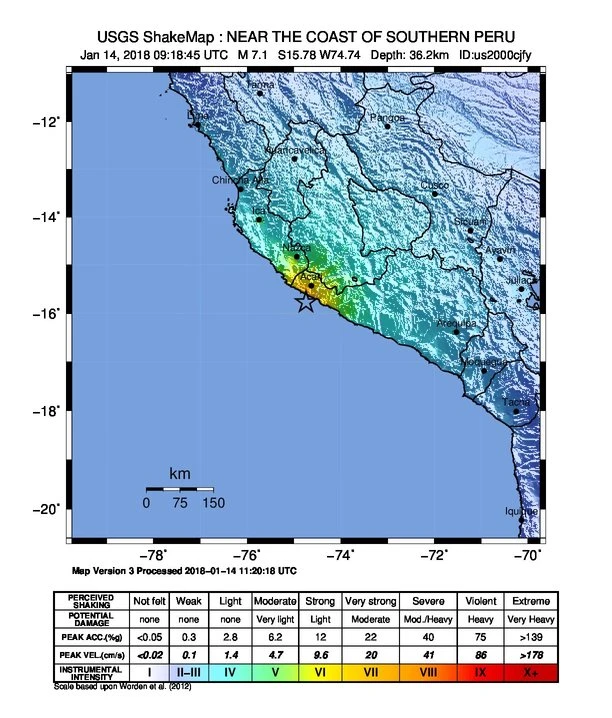
Peru’s position on the Pacific Ring of Fire keeps that risk in constant view. The country has faced far larger disasters, including the 1970 Ancash earthquake, which Britannica describes as the deadliest in the Western Hemisphere. More recent quakes have also caused casualties and damage, including a 5.8-magnitude event in southern Peru in May 2026 that injured 27 people and damaged buildings, and a 5.6-magnitude quake near Callao in June 2025 that killed one person and injured at least five.
For the Andes region, the latest quake was not large by global standards, but the combination of shallow depth, populated settlements and vulnerable infrastructure made it deadly. The urgency now is not only to count the dead and injured, but to reach isolated families, find safe shelter and reopen roads before the next emergency compounds the first.
Sources
- [1]apnews.com
- [2]abcnews.com
- [3]greenwichtime.com
- [4]sfgate.com
- [5]britannica.com
- [6]earthscope.org
- [7]nhregister.com
- [8]aa.com.tr
- [9]reliefweb.int