Entertainment
60 Minutes visits Sealand, the tiny self-declared principality at sea
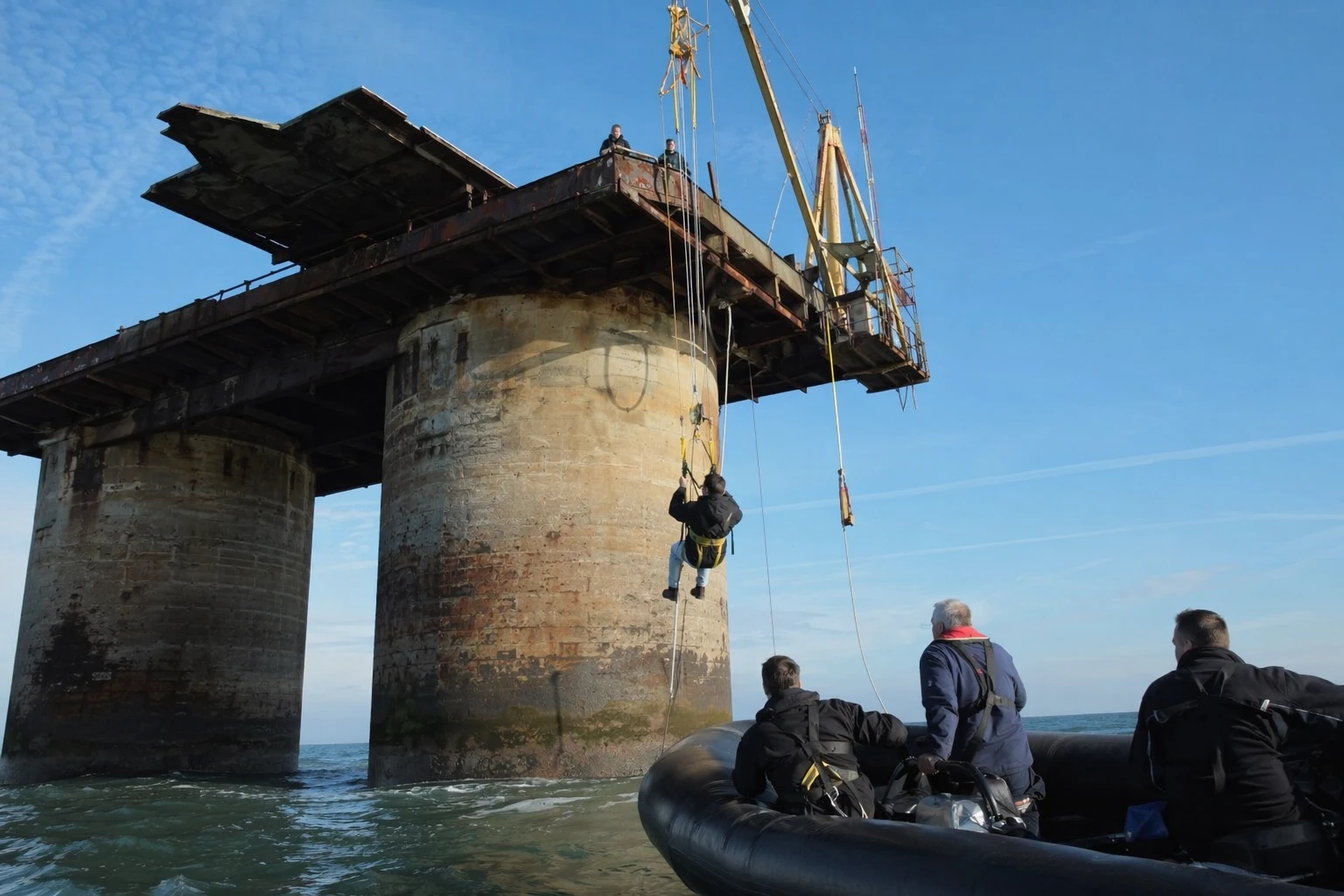
Jon Wertheim’s 60 Minutes segment on Sealand began with a boat ride to Roughs Tower and a climb onto the platform one by one in a small swing, while camera and sound gear were hauled up over several hours. The rough logistics fit a place that has spent nearly six decades turning a decaying sea fort into a global curiosity.
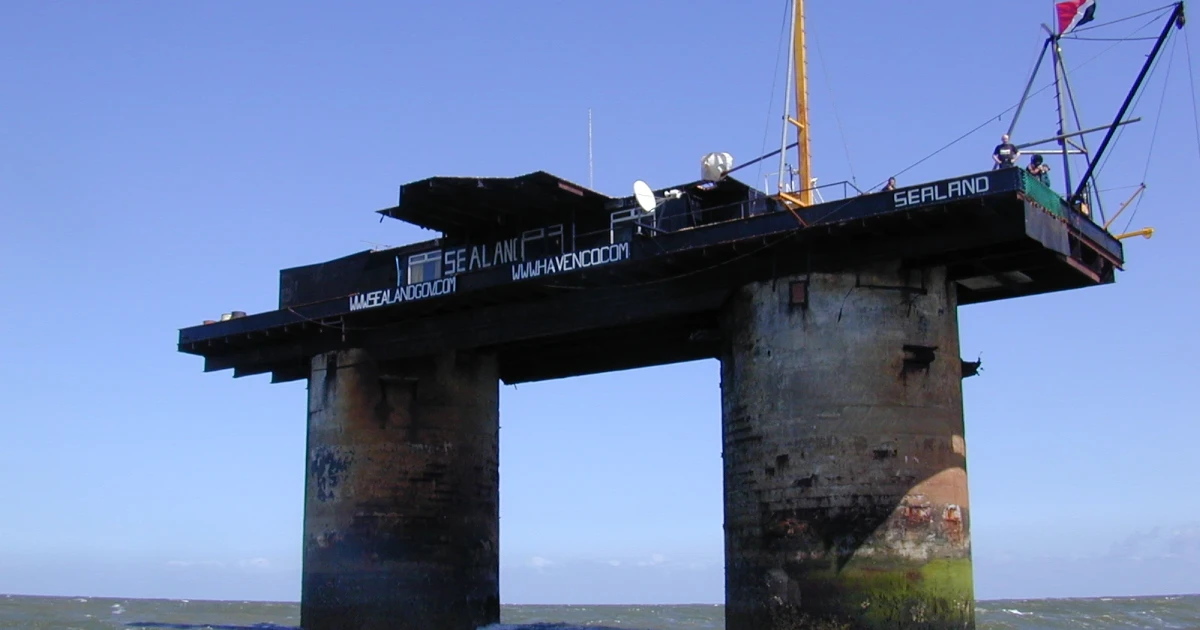
Sealand sits on Roughs Tower, a former World War II sea fort in the North Sea about 6.5 nautical miles, or roughly 12 kilometers, off the coast of Suffolk, England. Roy Bates, a former British Army major and radio broadcaster, occupied the platform in late 1966 to launch a pirate radio station and then declared Sealand independent on September 2, 1967. The principality says it has governed itself ever since.
That claim rests less on territory than on repetition. Sealand says it has its own flag, constitution, currency, passports and royal lineage, and uses the motto “E Mare Libertas,” Latin for “From the Sea, Freedom.” Britannica describes Sealand as one of the best-known micronations, and says the Bates family has occupied the platform since the declaration. CBS said the site has just one permanent resident, underscoring how small the operation remains even as the story has traveled far beyond the North Sea.
The platform’s mythology has been burnished by conflict. Sealand says its history includes armed invasion attempts, legal battles, a coup attempt and natural disaster, yet the family maintains the site survived each challenge while staying independent. One of the earliest flashpoints came in 1968, when Michael Bates fired warning shots near a buoy by Roughs Tower. A British court later found it had no jurisdiction because the incident occurred outside British territory, an episode that helped give the Sealand claim a durable legal gray zone.
The brand has outlived the fort’s wartime purpose. Sealand says it now has more than 1.5 million followers worldwide, a reach that is far larger than its population or physical footprint. The family also points to a nearby precedent: ten days before Sealand declared independence, the British government blew up Sunk Head Fort, which Sealand says was intended to prevent another platform takeover. More than a stunt, the place has become a long-running experiment in invented sovereignty, kept alive by spectacle, persistence and a story that still pulls crews out to sea.
Sources
- [1]cbsnews.com
- [2]sealandgov.org
- [3]britannica.com