World
6.9 earthquake shakes northern Japan, no tsunami warning issued
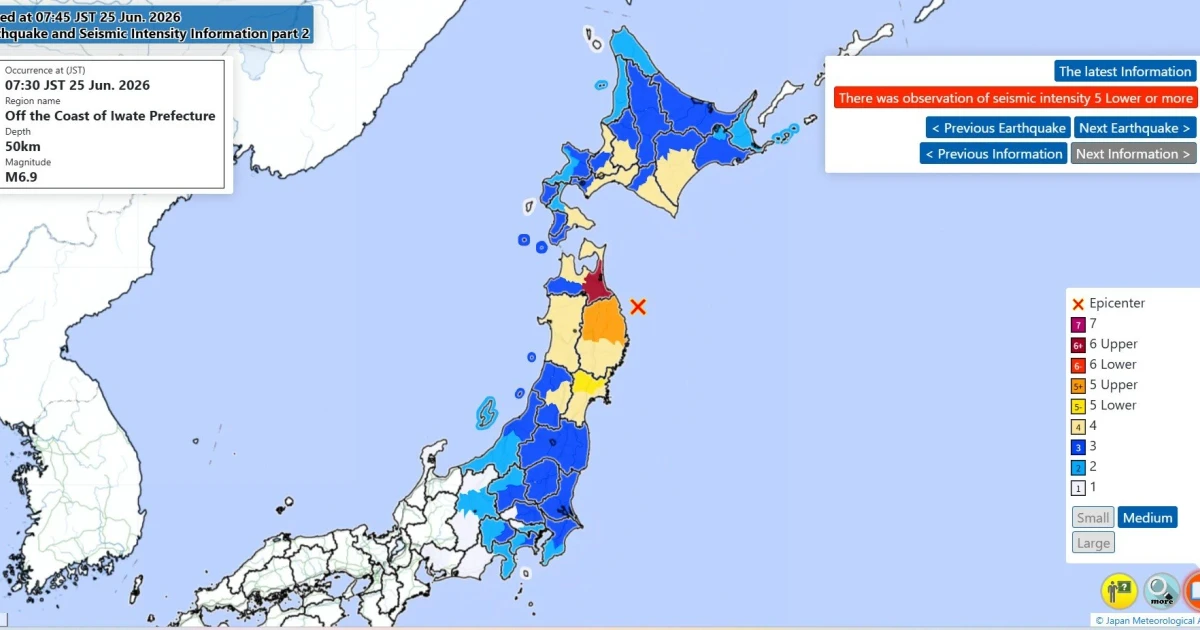
A preliminary magnitude 6.9 earthquake shook Japan's northeast coast on Thursday morning, but officials issued no tsunami warning and reported no immediate injuries or nuclear irregularities. The offshore quake struck near Iwate prefecture at a depth of about 50 kilometers, a location and depth that helped keep the immediate threat of a damaging wave limited.
Japan Meteorological Agency officials said only slight sea-level changes were expected. The U.S. Geological Survey placed the epicenter about 35 kilometers east-northeast of Kuji, with a depth of 51.7 kilometers, and the tremor hit during the morning rush hour, when trains and roads were already busy across Honshu.
Tokyo moved quickly. Chief Cabinet Secretary Minoru Kihara said the government had set up an emergency information team and was ready to begin disaster relief operations. Prime Minister Sanae Takaichi told reporters the government was "putting people’s lives first" as officials assessed the scope of the shaking and prepared for any needed response.
The quake was felt beyond the northeast, mildly shaking Tokyo and reaching upper 6 on Japan's seismic intensity scale in parts of Aomori Prefecture, including the Sanpachi-Kamikita region. East Japan Railway Co. suspended some services after the quake, a reminder that even when a tsunami does not materialize, strong offshore shaking can still disrupt daily life across the country.
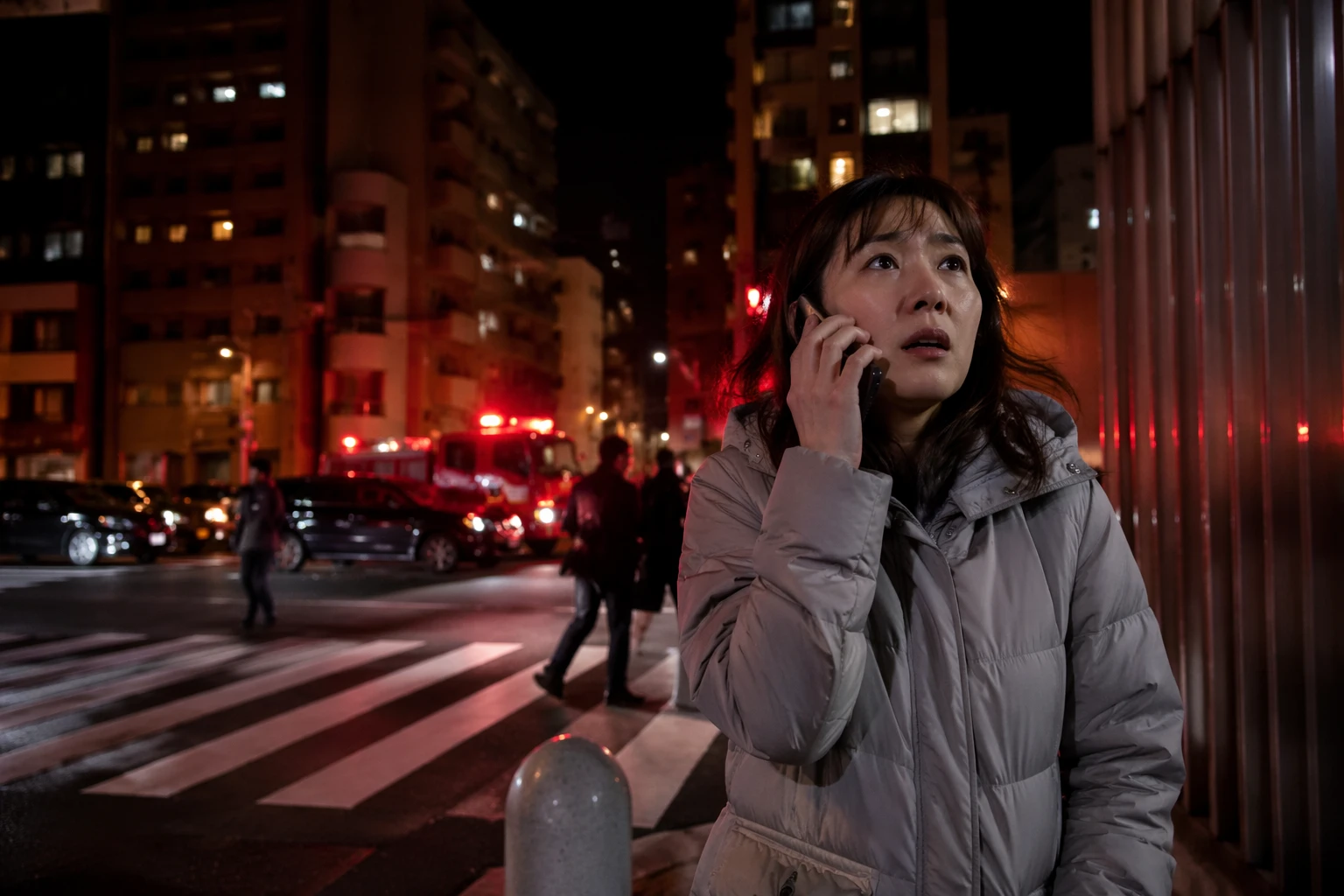
The quick all-clear on tsunami risk also underscored how Japan's warning systems and building standards have changed the way major quakes are absorbed. The country now relies on rapid seismic readings, public alerts and immediate inspections to keep damage from spreading, especially along the Pacific side of Tohoku, where the memory of the 2011 earthquake and tsunami still shapes every official response.
Nuclear facilities showed no irregularities, an especially sensitive point in a country that keeps a close watch on plant safety after every major tremor. But the event also exposed the region's continuing vulnerability: offshore quakes near Iwate can still rattle rail lines, trigger building checks and force emergency teams to prepare for aftershocks or localized landslides even when the sea stays calm.
Sources
- [1]usnews.com
- [2]earthquake.usgs.gov
- [3]cnbctv18.com
- [4]thehindu.com
- [5]data.jma.go.jp
- [6]northeastnow.com
- [7]business-standard.com