US News
8 U of Michigan activists charged in intimidation, vandalism case
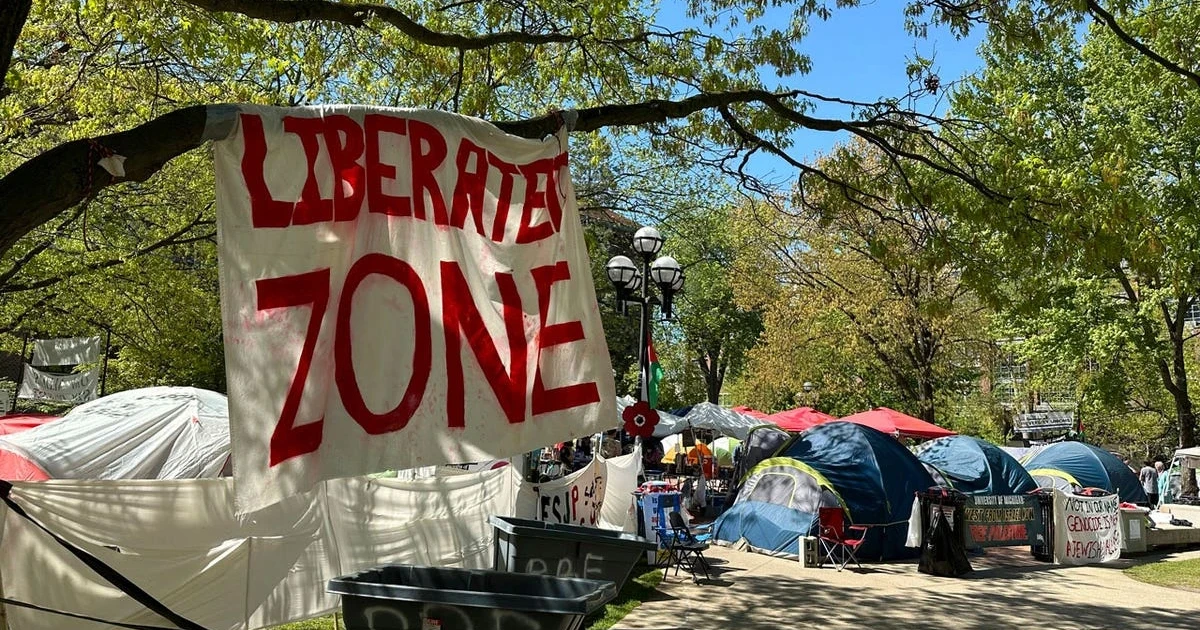
Federal prosecutors unsealed an indictment against eight people tied to the University of Michigan, saying they did more than protest campus policy. The case accuses them of building a criminal intimidation campaign aimed at university officials and others in an effort to force the school to sever financial ties to Israel.
The indictment says the group posted demands on social media calling for a “full and complete divestment” from Israel and related businesses, then researched personal information about targets, including addresses, photographs, political and social connections, and business ownership. Prosecutors also say the defendants discussed harming targets and their families using poison, bombs and psychological torture.
The filing describes a pattern of vandalism and disruption that prosecutors say stretched across campus and into private life: entering, occupying and defacing university buildings; blocking and disrupting campus events; spray-painting homes and businesses; leaving threatening notes; caulking doors shut; bike-locking entryways; breaking windows; and throwing glass jars filled with butyric acid and dye into homes. It also says some defacements used inverted triangles along with the phrases “INTIFADA,” “DIVEST NOW” and “FREE PALESTINE.”
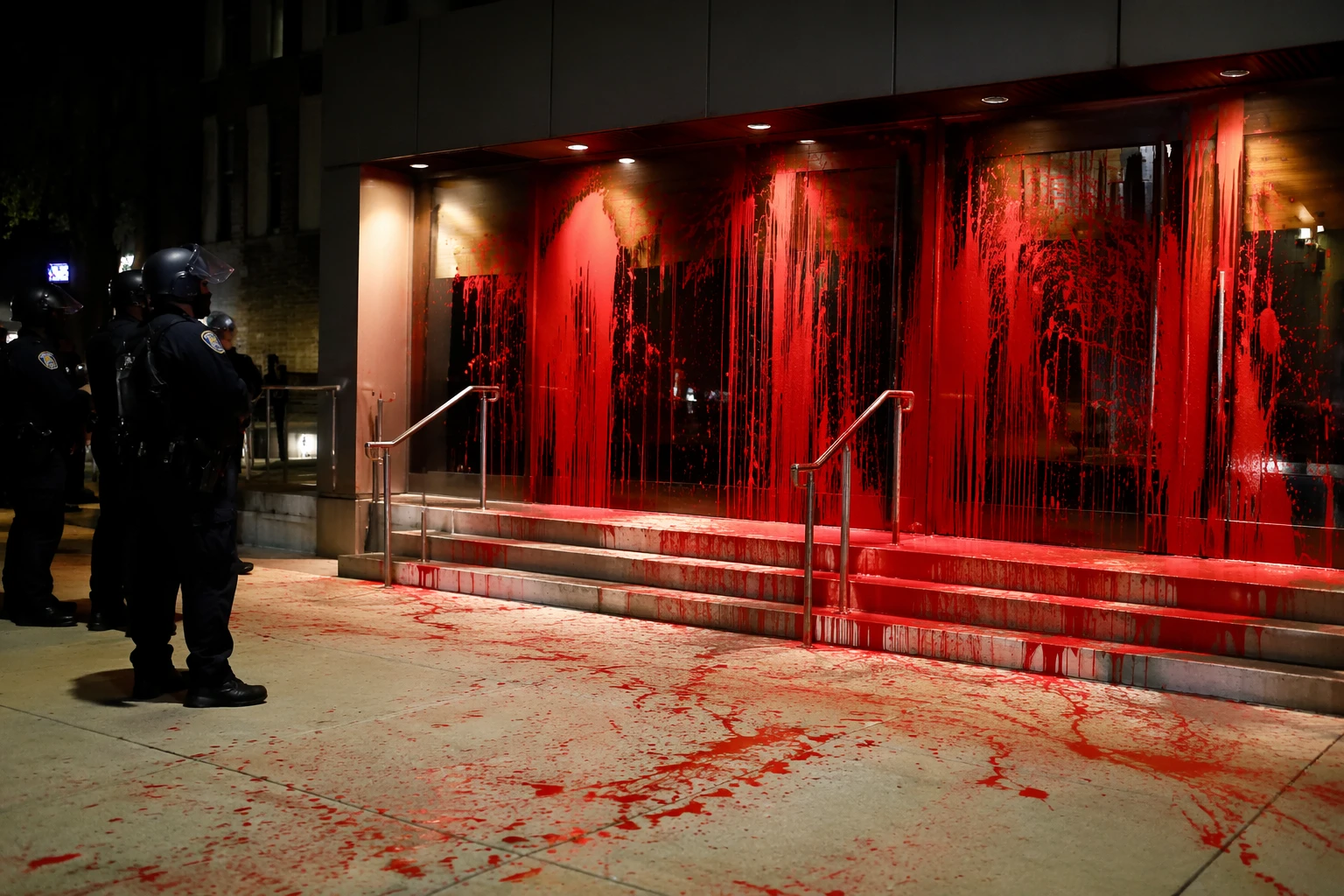
Among the alleged targets was the Jewish Federation of Metropolitan Detroit, which local reporting says was defaced on October 7, 2024. Federal authorities have framed the conduct as a conspiracy that went well beyond protected political speech. U.S. Attorney Jerome Gorgon Jr. said, “In America, we rule by law not by fear,” and called the alleged threats against officials, businesses and the Jewish Federation anti-American.
The case lands in a long-running fight over University of Michigan investments and campus protest tactics. The Board of Regents declined to divest from companies linked to Israel on March 28, 2024, saying investment decisions should be driven by financial factors, not political pressure. The university says it has no direct investments in Israel and less than $15 million in funds that might include companies in Israel, or less than 0.1% of the endowment.
The broader campus conflict has already produced arrests, raids and discipline cases. Michigan Attorney General Dana Nessel filed criminal charges against nine people tied to the campus encampment in September 2024, and the university later issued formal conduct complaints against 11 student protesters. In April 2025, law enforcement raided homes in Ann Arbor, Canton and Ypsilanti in a separate vandalism and property-damage probe, though no arrests were made in those searches.
That history makes the new indictment a test case far beyond Ann Arbor. Protesters have pointed to earlier university divestments from Russia and South Africa as precedent, while civil-liberties advocates are likely to scrutinize whether prosecutors have drawn a bright enough line between aggressive activism and conduct that can be charged as conspiracy, intimidation and vandalism. The answer could shape how campuses respond when political pressure turns into alleged criminal conduct.