Technology
$9 NFC key adds physical friction to block distracting apps
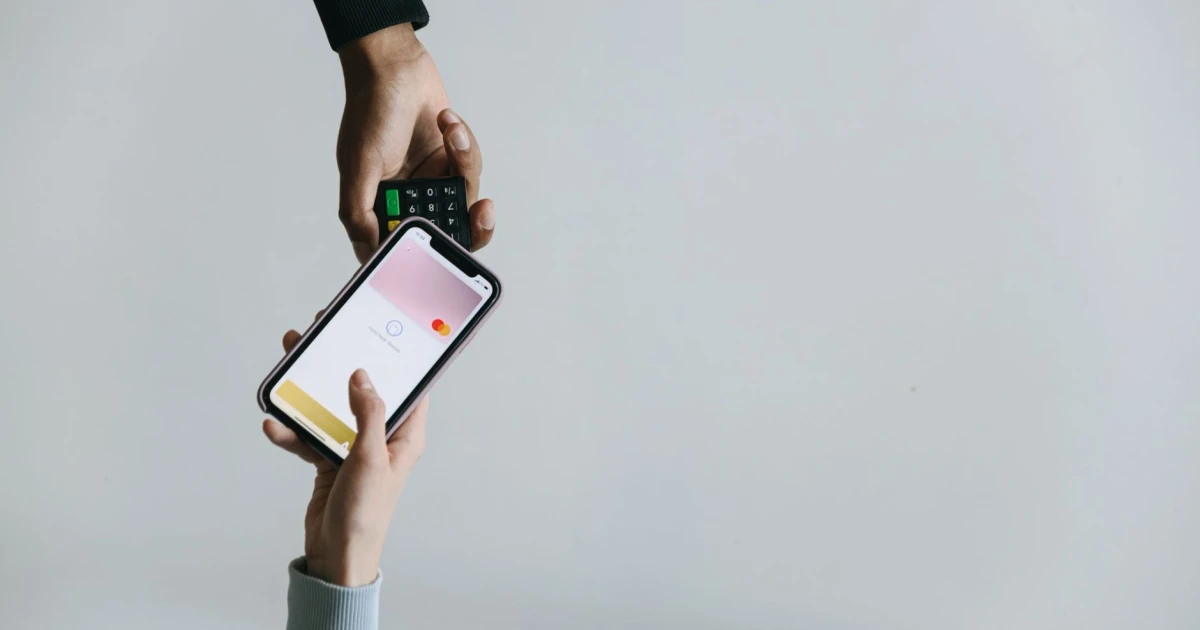
The $9 Autonomous Key asks people to do something most app timers cannot: stand up to a separate object before they can open the apps that steal their attention. The passive NFC device works with a companion app, where users choose which apps to lock and then tap their phone to the Key to unlock them for a window of up to 60 minutes.
Autonomous says the app is included, the Key needs no battery or charging, and there is no subscription. The company says it works with Android 8+ phones and iPhones running iOS 15+ as long as the device has NFC, which sets a hard compatibility line for anyone still using older hardware or a phone without the chip.
The appeal of the Key is not that it promises perfect self-control. It is that it adds friction, and there is evidence that even small interruptions change behavior. A May 13, 2024 University of Michigan study found that making phones slightly more annoying to use reduced screen time and the number of phone pickups by about 16%, a measurable shift that supports the logic behind a physical blocker.
That matters because digital wellness has already gone through the software era. Apple’s Screen Time and similar app timers can limit usage, but they still live inside the same device that is doing the distracting. The Autonomous Key moves the decision outside the phone, giving users a physical gate instead of another menu to override.
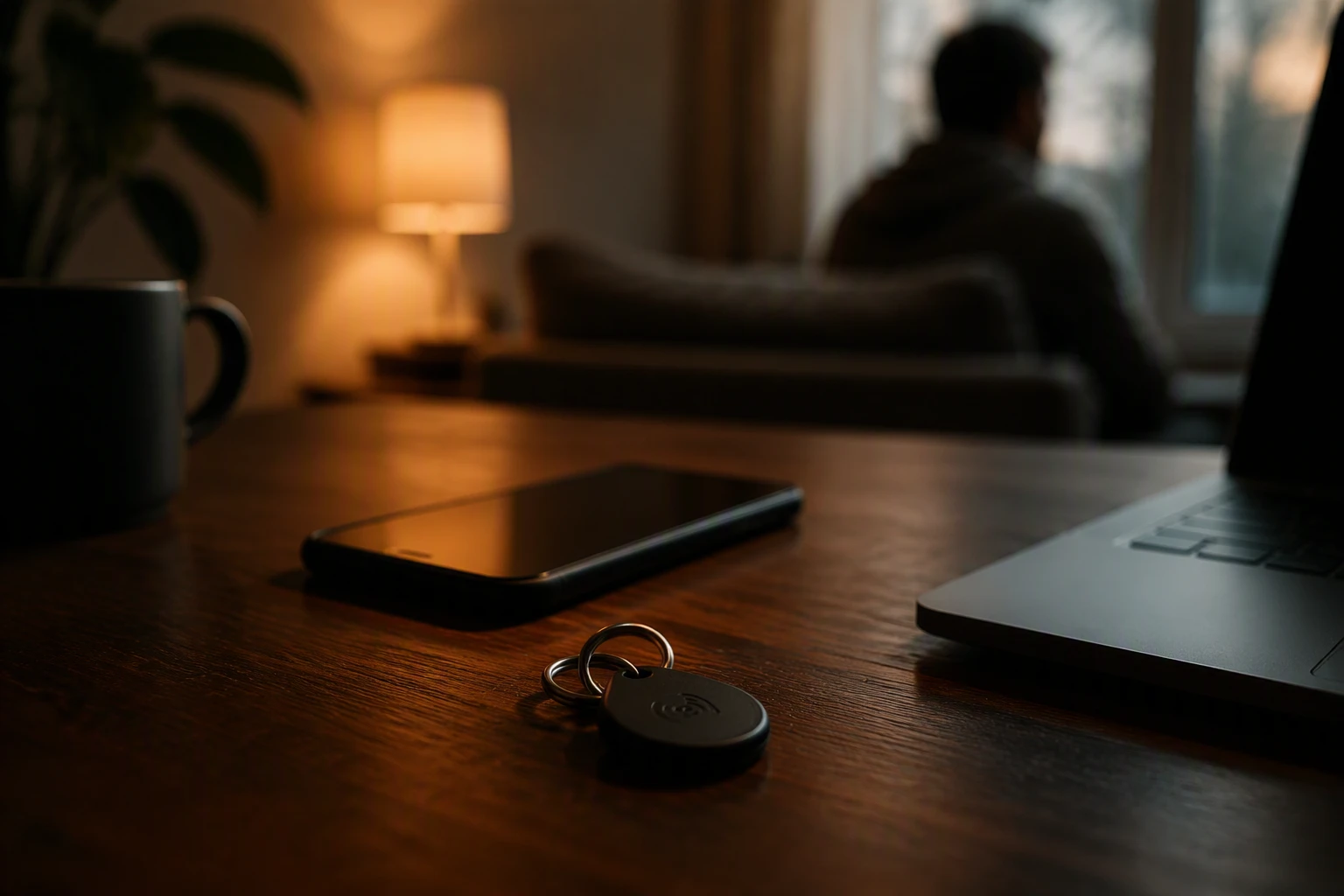
The market around that idea has grown quickly. Hardware blockers such as Brick, Bloom, ScreenZen Halo, Tap Out, Locked and Unpluq all push the same basic premise: if doomscrolling is automatic, the interruption has to be automatic too. Brick’s product page says it has more than 55,000 five-star reviews, a sign that hardware-based restraint is no longer a novelty for a small niche.
By July, reviewers were treating the category as part of a larger shift toward tangible barriers rather than softer reminders. One reviewer said after years of testing physical app blockers, they had become part of daily routine. That is a meaningful change in the conversation around phone compulsion, especially for families, students and workers trying to carve out attention in a device-centered economy.
The question now is less whether people want help than what kind of help actually works. The Autonomous Key suggests that for some users, a cheap NFC tap may do more than another notification ever could.