US News
9-year-olds gain in reading and math, 13-year-olds lag behind
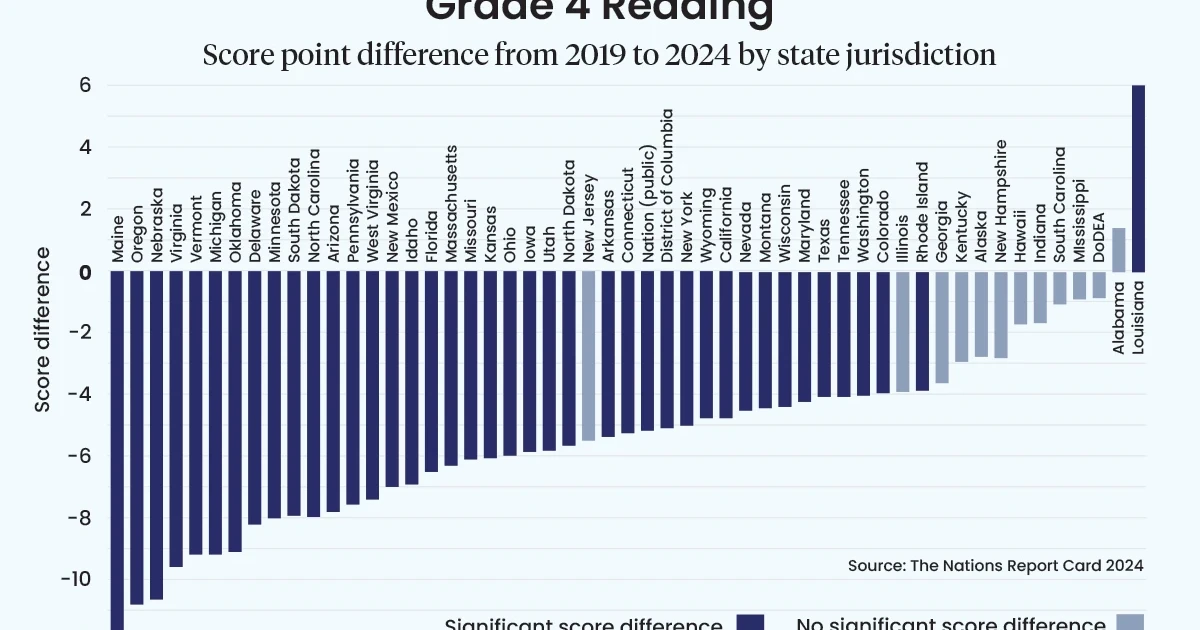
Nine-year-olds are recovering in reading and math, but 13-year-olds remain stuck on the wrong side of the pandemic divide. The difference points to when disruption hit: children who were about 4 when COVID-19 began missed less of the early literacy and math instruction that older students relied on, while teens were already deep into school when closures and absences piled up.
The National Assessment of Educational Progress long-term trend exams, the Nation’s Report Card’s oldest yardstick, have tracked reading and mathematics for 9-, 13- and 17-year-olds since the early 1970s. The latest results, based on nationally representative samples of 9- and 13-year-olds, came from testing done in the 2021-2022 school year for age 9 and in the 2022-2023 school year for age 13. The 9-year-old testing ran from January through March 2022; the 13-year-old window followed from October through December 2022.
For 9-year-olds, the results were stronger. Their average math score in 2022 was 15 points higher than in 1973, the first year of the long-term trend math assessment, and the broader release showed gains in both reading and math. Those students had also largely avoided the worst of the early pandemic shock, a factor that helps explain why their trajectory looks healthier than that of older children.
The story is much harsher for 13-year-olds. The National Center for Education Statistics has said their reading scores have been on a downward trend since 2012, and their latest math decline was the largest ever recorded for that age group. That makes the age gap more than a statistical quirk. It suggests that the damage from pandemic-era school disruption was not evenly distributed and that interventions have arrived too late, or not gone deep enough, for students who were already behind.
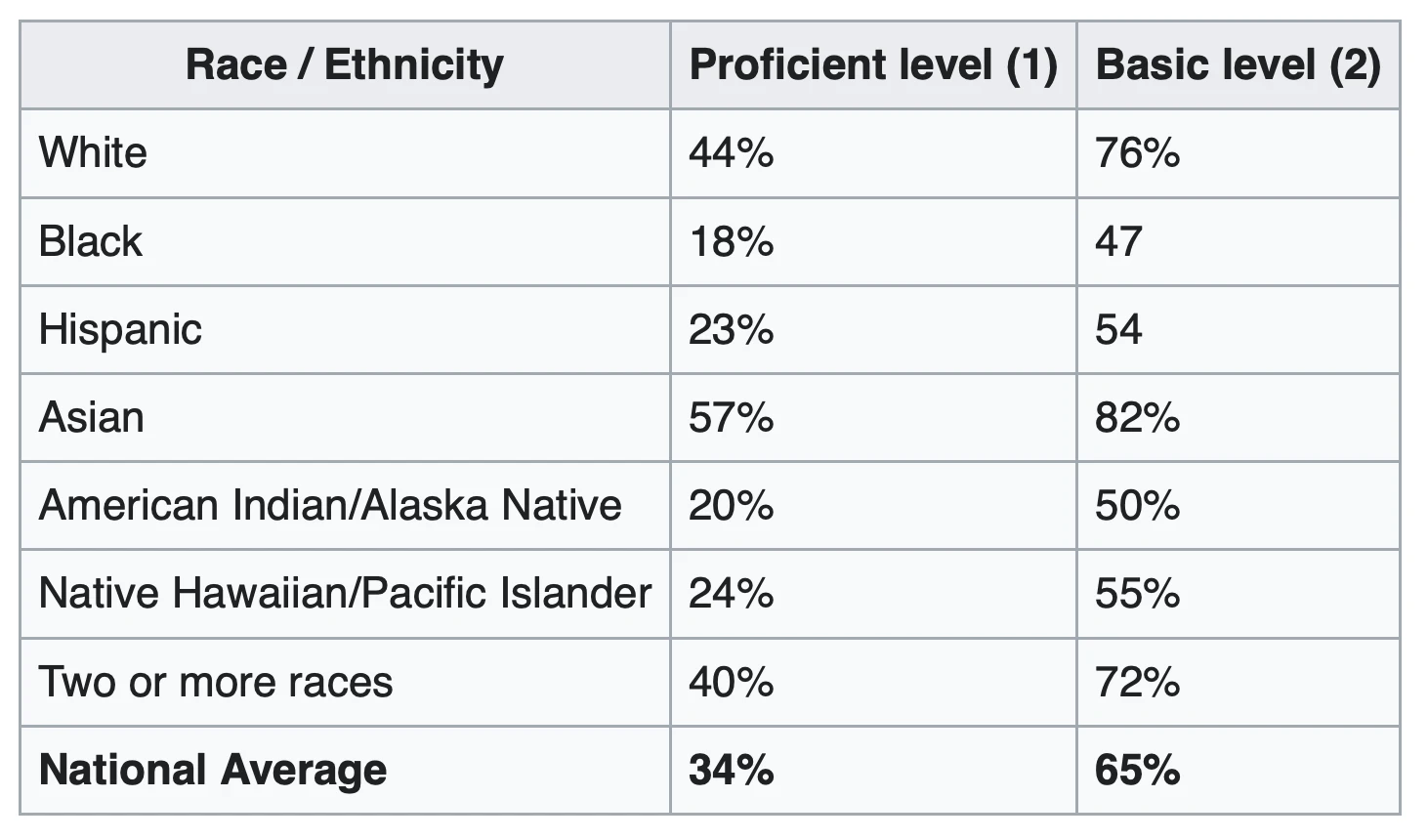
Higher absenteeism in recent years adds another layer to the weakness. Even as younger students show signs of recovery, missing school has become part of the backdrop for stalled learning, especially for older students whose progress depends on steady classroom time and cumulative skills.
Matthew Soldner, the acting commissioner of the National Center for Education Statistics, called the release “an optimistic release.” Lesley Muldoon, executive director of the National Assessment Governing Board, said the lack of progress among 13-year-olds should be a “catalyst for change.” The split-screen result is clear: the youngest students are beginning to heal, but middle-school-age children are still carrying the weight of a disruption schools have yet to fully repair.
Sources
- [1]npr.org
- [2]nationsreportcard.gov
- [3]nces.ed.gov
- [4]kenw.org