
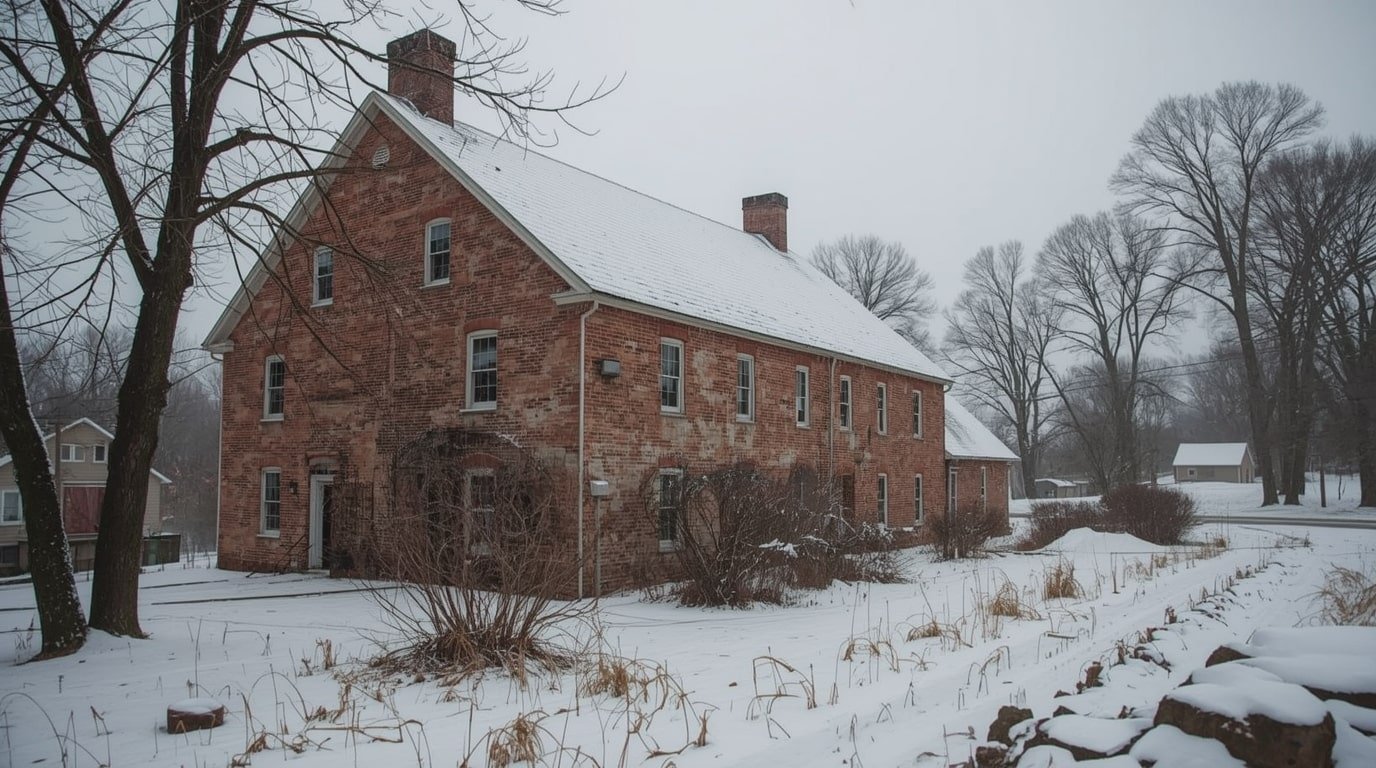
Sheffield’s Historic Mill Restoration Unveils Hidden Civil War Artifacts
On December 10, 2025, the historical mystery of the day took place in Sheffield, Franklin County, Iowa, when some artefacts of the Civil War were unexpectedly discovered by workers restoring the iconic 19th-century grist mill that was part of the town. These were found as foundation repairs were being made at the West Fork Mill, and include letters, medals, and a rare Confederate button, which give new insight into the involvement of Iowa in the war.
Historians of the Iowa State Historical Society flocked to the site, stating it as one of the most important discoveries in the area this decade. The mill, which was constructed in 1856 and has always been a source of Sheffield farming history, was being renovated with the help of a federal grant to conserve rural landmarks.
The project started in September, and the local contractors working in Hampton were at the forefront to help stabilise the structure against erosion by the adjacent river, the West Fork River. In excavation, a tin box that had been sealed under the original stone floor and which contained personal effects which were thought to belong to a Union soldier named Elias Harper, a native of Sheffield, and who was fighting at Gettysburg.
Some of the treasures: a dull daguerreotype of the Harper family, correspondence written by hand and about battles, and a brass buckle on which a regimental insignia was inscribed. It is not just artefacts but a direct connection to the sacrifices of our ancestors, this is what project lead architect Sarah Linden said at a press conference, one of the events taking place during the ongoing dig. The discovery has attracted interest among the locals, most of whom consider their origins to be the veterans of the Civil War.
Rally in the Community During Winter
With the word going round, a winter snowfall that settled Franklin County with a heavy snowfall could not dampen the excitement. The site saw dozens of locals working in sub-zero temperatures to volunteer and help archaeologists in cataloguing items in hot tents. Franklin County Emergency Management organised the work and delivered generators and hot meals to continue the work.
It is a kind of thing that we have always known our town had a rich history, and this makes it so much more real, said long-time resident and mill volunteer Tom Whitaker, whose job was to sift through the layers of soil. The snow, which piled up to eight inches by noon, curbed the activities of the outdoors, but indoor work went on at the Sheffield Community Centre.
The artefacts are estimated to date to 1863, and this might be the reason why Harper buried them back home. Prior analyses indicate that the letters include documentation of the 7th Infantry Regiment of Iowa and provide new information on the contributions of the Midwest to the Union cause.
The Iowa Department of Cultural Affairs has expressed its support for further excavation, and the items will be exhibited in a new exhibition in the Franklin County Museum in Hampton. This finding is congruent with the tendency of Sheffield to renew its historic area, which is drawing grants and Americana tourists.
Impact on Economy and Education
The unearthing will enhance the economy of Sheffield, which is already boosted by agricultural tourism. The Mill Cafe and old antique stores located on Main Street are some of the local businesses that expect more visitors who would want to know more about the story of the site.
The fact that there can be some collaboration with national history organisations in the development of guided tours was pointed out by a chair of the tourism board, Lisa Grant. According to Grant, who made an impromptu visit to a town hall, he thought that it was going to put Sheffield on the map among history lovers around the country.
The discovery has given impetus to the local schools educationally. West Fork High School history teacher Mark Ellis intends to use the artefacts to teach in classes, and he will arrange field trips that will give students the opportunity to see how the artefacts are preserved. It is a teaching moment concerning our mutual past, and that is what Ellis explained. Cooperation with such universities as Iowa State is under consideration in carbon dating and conservation.
Conserving the Past for the New Generations
The community came together at the end of the day in a candlelight vigil at the mill, celebrating the revived heritage despite the blowing winds. The artefacts will be professionally cleaned, and then they will be publicly viewed, and a grand unveiling will take place in the spring.
This discovery of December 10 not only adds to the story of Sheffield, but it also gives credence to the need to preserve rural history, so that the past can be used to build the future in Franklin County.
