Iowa Public Safety Update: State Officials Introduce New Road Safety and Emergency Response Measures
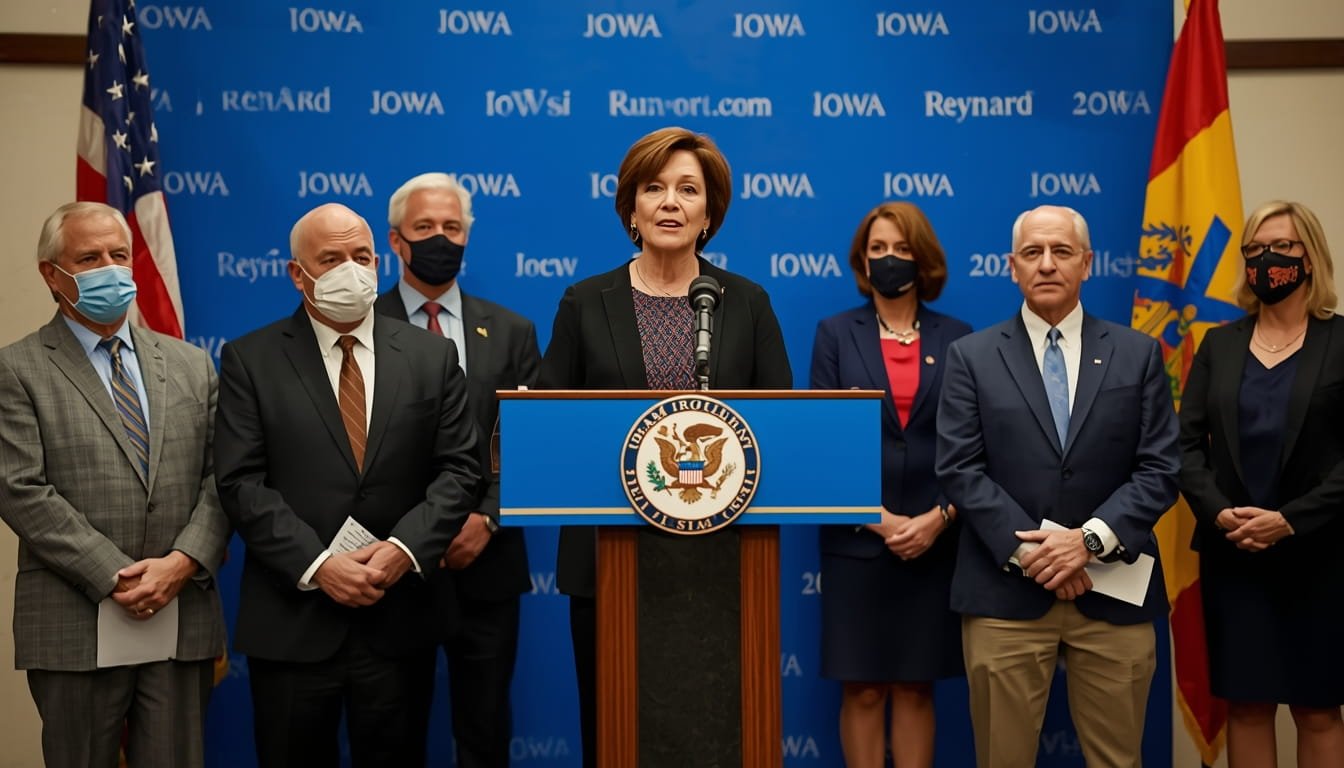
In an important step to improve the health of citizens in the state, Iowa officials today announced a detailed list of new road safety and emergency response plans. This was announced at a press conference in Des Moines, where there is growing concern about traffic accidents and preparedness for natural disasters, especially in rural communities such as Franklin County.
Its urgency was stressed by Governor Kim Reynolds, who was flanked by representatives of the lowa Department of Transportation and the Department of Public Safety, as the latest statistics indicate that highway accidents and severe weather-related events are becoming more frequent. The new policies will create a safer space for drivers, pedestrians, and first responders, and they are a proactive way to ensure greater safety for people in the Hawkeye State.
Important Elements of the New Road Safety Initiatives
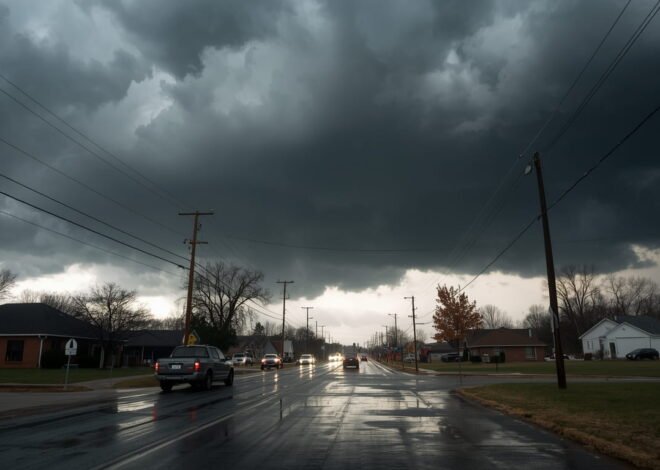
The key principle of the update is improving road safety in high-risk areas across the state of lowa. The officials of the State emphasised the implementation of new traffic management systems, such as installing smart sensors on major interstates like I-35 and I-80. These sensors will be used to monitor traffic in real time, identify dangerous weather conditions, such as black ice or intense fog, and automatically adjust speed limits via digital signage.
In Franklin County, where winding rural roads have been known to cause collisions, the plan involves installing rumble strips and enhanced lighting at strategic intersections. This should cut accident rates by as much as 25 per cent, according to initial estimates from the transportation department.
Also, a statewide effort to encourage seatbelt use and distracted driving awareness will be conducted, and educational programs will be implemented in schools and community centres within the next month. The program also includes allocating funds to upgrade guardrails and increase shoulder width on secondary highways that have long-term infrastructure needs, as in Franklin County.
Another critical pillar in the update is emergency response measures, which focus on quick deployment in case of crises. The public safety team in lowa reported the formation of a unified command centre in Des Moines that will combine information from local law enforcement, fire departments, and medical services. This hub will use AI-based analytics to forecast and respond to emergencies, including tornadoes and floods, which are common in the Midwest.
To the residents of Franklin County, it will mean better ambulance response times, the inclusion of strategically placed helipads, and increased radio communication systems. This infrastructure is costing the state more than $50 million and is funded by federal grants and reallocation of state budget funds. There will be mandatory training for first responders on how to handle scenarios involving vehicle extractions or mass casualties, so that even in remote locations, they can access professional skills.
Franklin County and Rural Lowa
Franklin County, which is located in north-central lowa, will benefit significantly from these measures. With a population of approximately 10,000 and vast agricultural areas, the region has experienced its fair share of accidents on roads, and in most cases, farmers’ equipment sharing highways with commuter vehicles has increased the number of accidents. The announcement was praised by local authorities, and one of them, County Sheriff Aaron Pankonin, said the new emergency measures would save lives during peak harvest seasons, when accidents are at their highest.
The county’s emergency management coordinator emphasised plans to equip the volunteer fire departments with the most modern equipment, including thermal imaging cameras for night rescues. This localised emphasis ensures that the state’s overall strategy ever trickles down and, in the process, closes the divide between urban centres and rural communities.
The locals, such as farmer Elena Ramirez, gave positive signs and said that improved road markings and response times would help allay people’s fears in bad weather, which the area experiences most of the time in this region of the USA.
There are also broader implications of the case for the state of lowa’s economy and for the population as a whole. These measures would reduce healthcare expenses and insurance payments by preventing road injuries that killed more than 300 people in the state in the last year.
Economic experts estimate increased tourism and trade, as more people will be willing to travel to attractions such as the Franklin County Fairgrounds due to safer roads. The use of technology, including drone surveillance of accident scenes, is a proactive approach that puts Iowa in line with national trends in public safety innovation.
Problems and Future Projections
Although the announcement has received widespread support, there are still some challenges. The allocation of funds has been a source of controversy among legislators, with doubts about whether rural counties such as Franklin will get their fair share compared to urban areas.
Environmental groups have highlighted the need to ensure environmentally friendly construction methods, demanding that the potential effects of new infrastructure on local wildlife habitats be considered. The state officials promised that within the next few weeks, public input sessions will take place, during which communities will be able to express their concerns and propose improvements.
In the future, the rollout will be aggressive, with the first taking place in the spring of 2026. Monitoring and evaluation will play a major role, where the annual reports will sample such measures as accident deflections and efficiencies in response.
Governor Reynolds ended the press conference by reiterating the commitment to the safety of the citizens of lowa by saying that such measures are not merely policies, but are investments in the future. This model would be applicable to other regions in the Midwest, as the state struggles with the same challenges.
In short, the current public safety update is a major milestone for the state of lowa, integrating technology, education, and infrastructure to make it more resilient. The benefits of these changes in Franklin County and beyond are a safer tomorrow, as we need to focus on proactive governance to address dangers that affect everyday life. By taking a cautious approach, Iowa may become a national model for road safety and emergency preparedness, benefiting every citizen living in its cities and rural areas.