Health
A doctor prescribed biking for nerve pain, and it worked
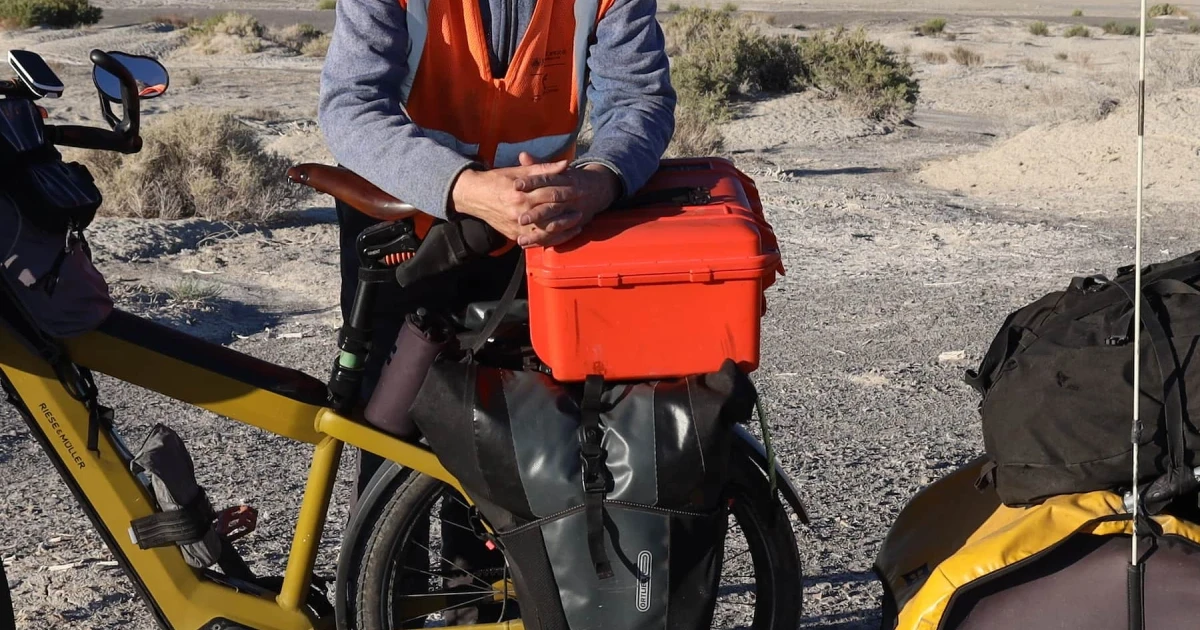
Gregory Maassen is riding 5,800 miles on an e-bike after a diagnosis of postinfectious peripheral neuropathy affecting small nerve fibers and advice to keep moving and keep pedaling. The advice fits a growing medical reality: chronic pain tied to nerve dysfunction often needs more than one tool. His case shows how doctors increasingly think about pain by tracing the pathway, not just the symptom.
What peripheral neuropathy changes in the body
Peripheral neuropathy is damage to the nerves that carry information to and from the brain and spinal cord, and it can produce pain, loss of sensation, and inability to control muscles. That makes it different from pain caused by a pulled muscle or a single inflamed joint, because the signal itself is part of the problem. Once the peripheral nerves are damaged, the challenge becomes finding a treatment mix that lowers pain without leaving the person more disabled or less mobile.
His neuropathy is not a simple ache that can be erased with one pill, but a nerve disorder that forced clinicians to think about medication, movement, and function together.
Why exercise can enter a pain plan
Ahmet Hoke of Johns Hopkins Medicine prescribed medicine to manage Maassen’s pain, including a gabapentinoid for nerve pain. Exercise also became part of the plan, reflecting how neuropathic pain care is often built from non-procedural options rather than a single cure. A PubMed Central review titled “An overview of the non-procedural treatment options for peripheral neuropathic pain” covers non-procedural treatment options for peripheral neuropathic pain.
Biking is especially notable because it turns movement into a repeatable, controlled activity rather than a burst of exertion. Maassen is not just taking short rides for recreation, he is crossing the country on an e-bike, a format that can make sustained motion more achievable than traditional cycling. For chronic nerve pain, activity can become part of symptom management instead of something patients avoid out of fear of flaring pain.

Medication remains central, rehabilitation is part of the conversation, and exercise is increasingly treated as a legitimate component of neuropathic pain care rather than an afterthought.
What his response suggests about evaluating chronic pain
The right treatment may depend on which nerve fibers are involved, how the pain behaves, and whether the patient can tolerate and benefit from movement. His postinfectious small-fiber neuropathy points to a specific mechanism.
That means assessing more than pain intensity. Doctors need to understand whether symptoms include numbness, weakness, or motor control problems, and whether a patient’s day-to-day function improves with movement, medicine, or both. In a condition that can damage the nerves carrying signals between the brain, spinal cord, and body, the question is not only how much pain exists, but what kind of nerve signaling is driving it.
Where patients can find support and information
The Foundation for Peripheral Neuropathy’s purpose is to improve the lives of those affected by peripheral neuropathy through awareness, education, advocacy, and research to advance the discovery of new therapies and cures. It also offers patient resources on symptoms, treatments, support groups, and upcoming events, giving patients a place to start when the diagnosis is confusing or the pain plan needs revisiting.