US News
A landscaper’s lonely death exposes the Hamptons’ hidden labor cost
The Hamptons sell a postcard version of American abundance, with immaculate lawns, clipped hedges, and estates that can absorb almost any expense except the people who maintain them. A gardener’s lonely death has made that contradiction harder to ignore, because the beauty of luxury real estate depends on workers who often live with unstable housing, seasonal income, and social isolation.
The hidden workforce behind polished estates
Landscaping and groundskeeping is not a niche occupation. The U.S. Bureau of Labor Statistics counted 929,930 landscaping and groundskeeping workers nationally in May 2023, with a median hourly wage of $17.96, a mean hourly wage of $19.13, and a mean annual wage of $39,790. Those numbers help explain why the Hamptons’ visual perfection can mask financial precarity, especially in a place where property values and maintenance costs soar far beyond what the average grounds worker earns.
New York State already tracks occupational wages through its Department of Labor, which means the labor market is not invisible. The deeper problem is political will. Wage data can document the scale of the workforce, but it does not by itself create year-round housing, safer working conditions, or a stable path through the off-season.
The story behind the manicured landscape is one of dependence. Wealthy resort economies need crews to mow, prune, plant, clear, and repair, yet the people doing that work are often treated as seasonal inputs rather than as residents whose lives shape the region as much as any property owner’s plans.
Seasonal work, winter hardship
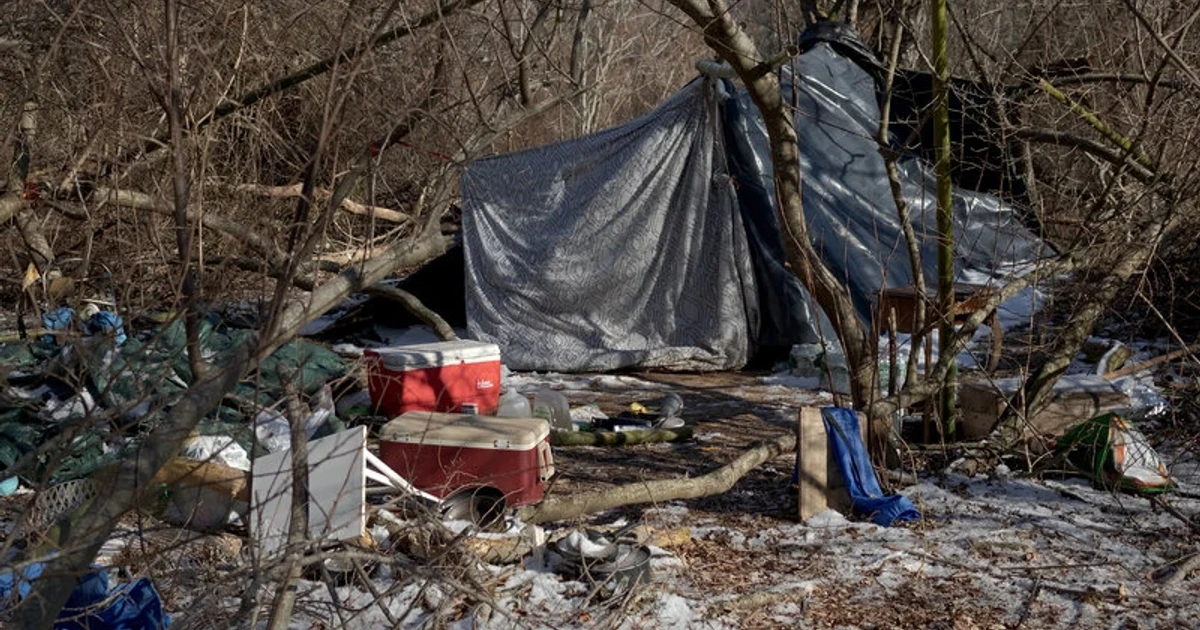
Earlier reporting on Long Island’s East End has shown how the labor system functions in practice. Day laborers who can find steady landscaping work during the warm months often face a different reality when cold weather arrives, when jobs dry up and some end up living in wooded encampments. That cycle turns a prosperous resort corridor into a place where the working poor can vanish from public view as soon as summer demand fades.
A separate NYU Urban Lab account of Julio Florencio Teo Gomez, a carpenter from Guatemala City, captured the same seasonal instability. He found work during landscaping season on the East End, but in colder months he lived in encampments in the woods. That pattern is not an anomaly, it is part of how the region’s labor market sorts the people who keep the Hamptons running.
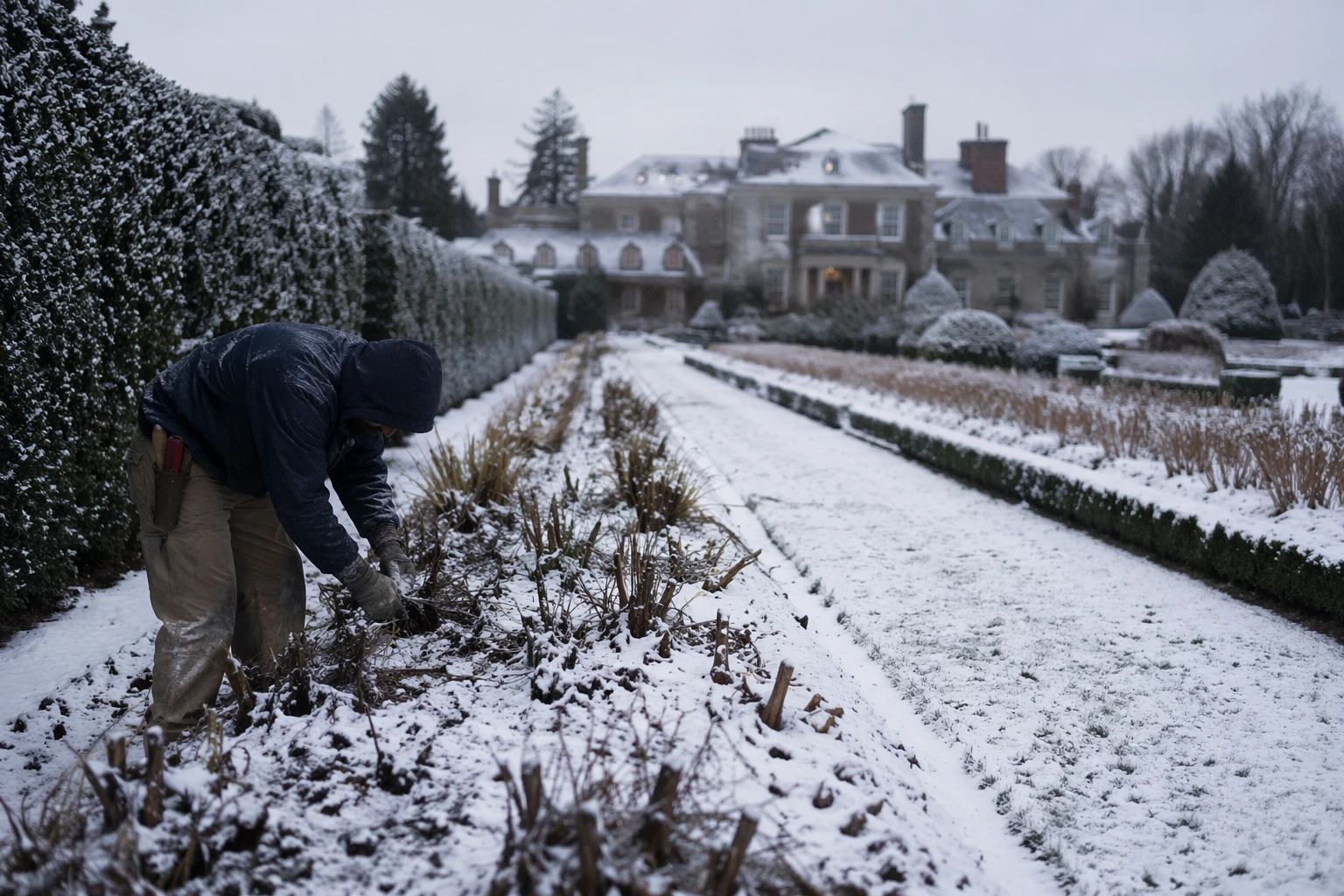
The result is a social geography with two worlds occupying the same narrow stretch of coast. One world is built around second homes, seasonal luxury, and the assumption that beauty arrives on schedule. The other is built around uncertainty, where a missed shift or the end of the season can mean losing both income and shelter.
The policy response has been partial
Local government has not been entirely absent from the problem. In November 2022, voters in East Hampton, Southampton, and Southold approved a 0.5 percent real-estate transfer tax on home sales above $400,000, with the proceeds directed to an affordable housing fund. The vote mattered because it tied the region’s luxury housing market to the housing needs of the workers who live in its shadow.
That ballot decision also revealed the political shape of the issue. Residents of the East End endorsed a tax on high-end property transactions as a public answer to a public shortage, but the measure is still only one tool in a larger system that continues to rely on low-paid labor and expensive land. Housing funds can help, but they do not automatically solve access, eligibility, or the mismatch between seasonal employment and year-round rent.
Local officials in eastern Long Island have also held public meetings to reassure undocumented workers that local police do not deport people and that they should still seek help without fear. That message matters because fear keeps workers silent, and silence keeps exploitation in place. When workers avoid authorities, they are less likely to report wage theft, unsafe housing, or abuse, which leaves employers and property owners with little pressure to change.
Names that put a human face on the system
The hidden labor cost of the Hamptons becomes clearer when the people behind the hedges are named. Dennis E. McGuire, a landscaper for Mike’s Landscaping in East Hampton, died on Nov. 14, 2025 at the Kanas Center for Hospice Care. He was 58, and his death, like so many in labor-intensive service work, underscores how little public attention often follows the people who spend their careers maintaining private wealth.
David Seeler, a landscape architect and owner of Bayberry Nursery in Amagansett, died on Sept. 28, 2025 at age 83. His obituary belongs to the same regional story because horticulture, design, maintenance, and labor all feed the same built environment. The Hamptons’ elite image is not created only by owners and architects, but by the network of workers, growers, and crews who make the landscape look effortless.
Those names matter because the region’s labor debate can otherwise become abstract. A place that attracts billionaires in summer also contains workers whose lives can end far from any public spotlight, whether in hospice care, in a cold-season encampment, or in the long quiet after the work stops.
What accountability requires
If the Hamptons want to confront the real cost of their appearance, the conversation has to move beyond sympathy. Employers need to treat workers as a permanent part of the local economy, not as a disposable seasonal class. Property owners and local governments need to keep pushing on housing supply, worker protections, and outreach that actually reaches undocumented laborers before crises deepen.
The 2022 transfer-tax vote showed that East End voters can connect luxury real estate to public responsibility. The next test is whether the region will match its aesthetic standards with civic ones, including housing that workers can actually afford and institutions that recognize the people behind every trimmed hedge and swept driveway.
The lawns will keep getting cut. The real measure of the Hamptons is whether the people who cut them can live with dignity when the season ends.