Health
AAP says school recess is vital for kids’ health and development
The American Academy of Pediatrics is pressing schools to treat recess as essential time, not optional downtime. Its updated policy says children need regular breaks to support physical regulation, attention, social growth, and classroom performance, and that schools should not take recess away for academic or punitive reasons.
What the updated policy changes
The AAP’s new statement, The Crucial Role of Recess in School, updates and replaces its 2013 recess guidance and was issued in Pediatrics, volume 157, issue 6. The earlier policy had already been reaffirmed in April 2023, but the new version sharpens the message for today’s schools: recess belongs in the school day from kindergarten through 12th grade, not just the early grades.
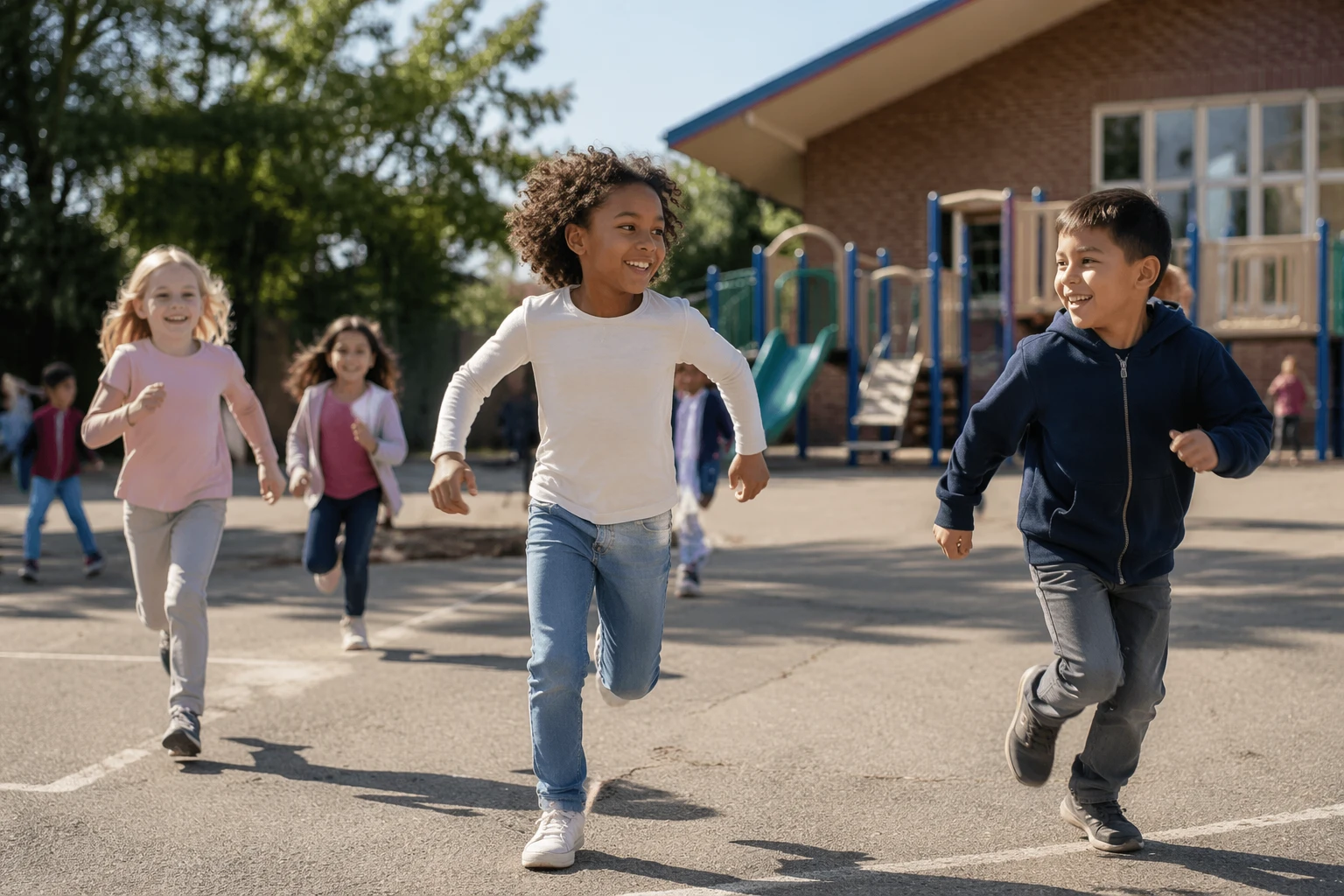
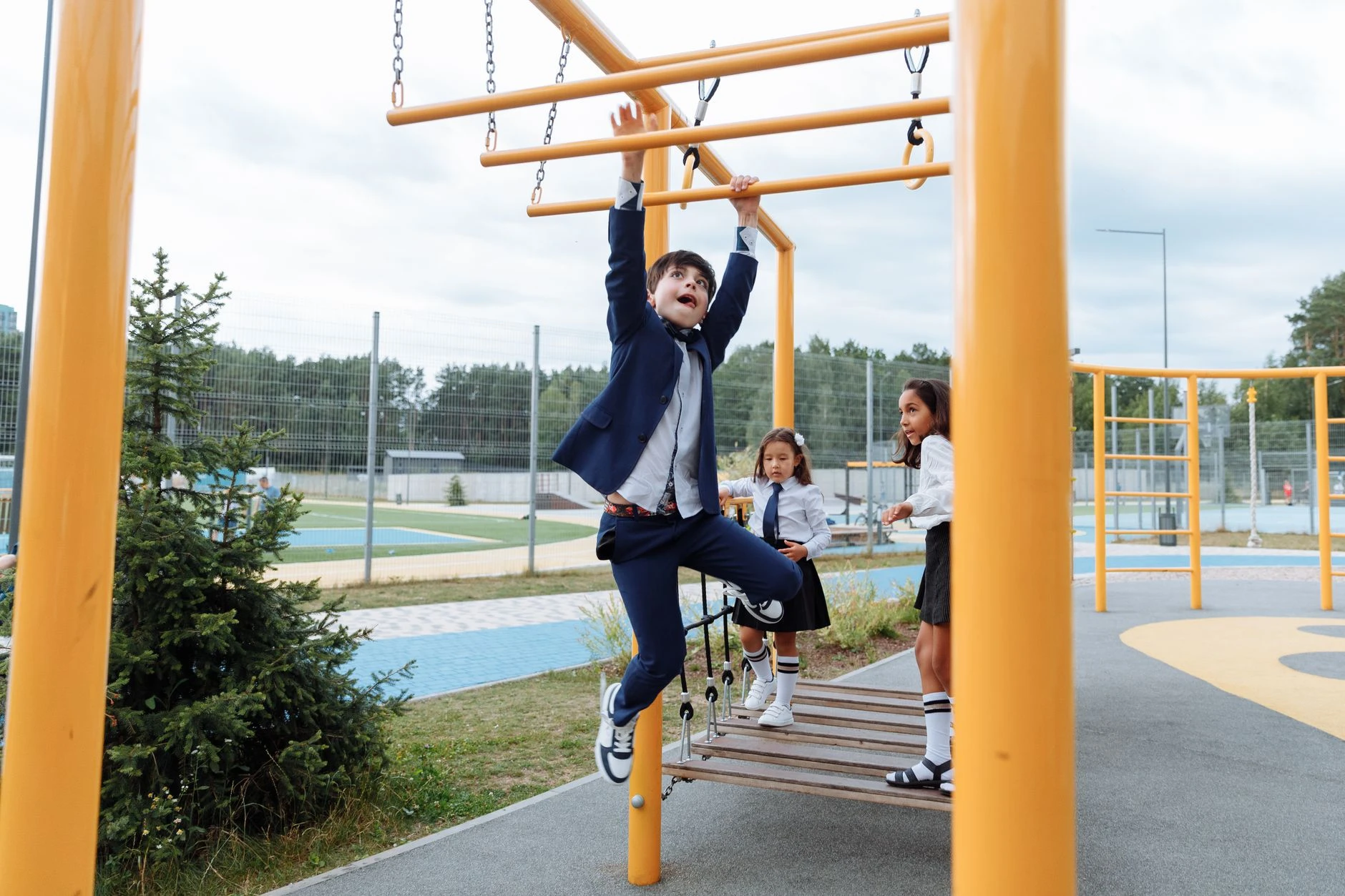
That broader scope matters because the AAP is no longer treating recess as an elementary-school extra. The policy says recess is a universal benefit for all ages, and that it should be protected as personal time. It can take different forms, including physical play, one-on-one games, team activities, solitary play, and nonactive social interaction, indoors or outdoors, for short breaks or longer periods, even when paired with lunch.
Why the AAP says recess matters
The academy’s core argument is developmental. It says recess is a necessary break in the day for optimizing a child’s social, emotional, physical, and cognitive development, and that unstructured time helps students reset, focus better, manage stress, process classroom information, and build confidence and social skills.
The policy also draws on nearly 100 years of research supporting regular breaks. AAP authors Robert Murray, MD, FAAP, and Catherine Ramstetter, PhD, argue that children and adolescents need breaks the same way adults do during the workday. Their point is simple but forceful: sustained concentration is not the same as sustained learning, and children perform better when school schedules make room for recovery and interaction.
That argument is not limited to movement alone. The AAP says recess includes social connection as well as active play, and that both sedentary and active options have value. In the academy’s view, recess is a temporary suspension of academic cognitive effort, not a pause from learning.
What schools risk when recess is cut
The policy lands at a time when many schools face pressure to maximize instructional minutes, especially in high-pressure districts where every block of the day is scrutinized. The AAP says that logic can be shortsighted, because removing recess can undercut the very classroom performance schools are trying to improve.
The earlier 2013 statement warned that recess had become part of a broader debate over whether schools should emphasize academic time over the whole child. It also noted a recurring problem: recess was being reduced or withdrawn for punitive reasons. The new policy keeps that concern front and center, insisting that recess should not be used as leverage for behavior or unfinished work.
That warning carries institutional weight. When recess is treated as expendable, schools can end up narrowing the school day around test preparation and seat time while ignoring evidence that breaks improve attention and self-regulation. The AAP’s position is that this tradeoff is flawed, because children are not better learners when they are denied the break that helps them learn.
The public-health case behind the school-day break
The AAP frames recess as a health issue as much as an education issue. Its updated guidance points to recent studies in neurophysiology of learning, adolescent health, social-emotional development, executive skills, and peer engagement as support for the value of daily recess. In other words, the policy connects playground time to how children regulate emotions, make decisions, and interact with others.
The Centers for Disease Control and Prevention has also helped define that frame. In 2017, it updated its definition of recess as a regularly scheduled period in the school day when students are encouraged to be physically active and engaged with peers in activities of their choice, from kindergarten through 12th grade. That definition reinforces the AAP’s view that recess is not a luxury, but a structured part of a healthy school environment.
The academy also points to the COVID-19 pandemic as a real-world example of what happens when routines break down. Loss of in-person school routines, social connection, and daily recess showed how much children and adolescents depend on predictable structure. The lesson, the AAP suggests, is not just about academics but about resilience, belonging, and daily regulation.
What recess should look like in practice
Robert Murray says recess should be safe, inclusive, and designed so every student feels welcome and able to participate. That means schools should think beyond a narrow image of recess as free play on a playground and instead plan for a range of activities that fit different ages, abilities, and social needs.
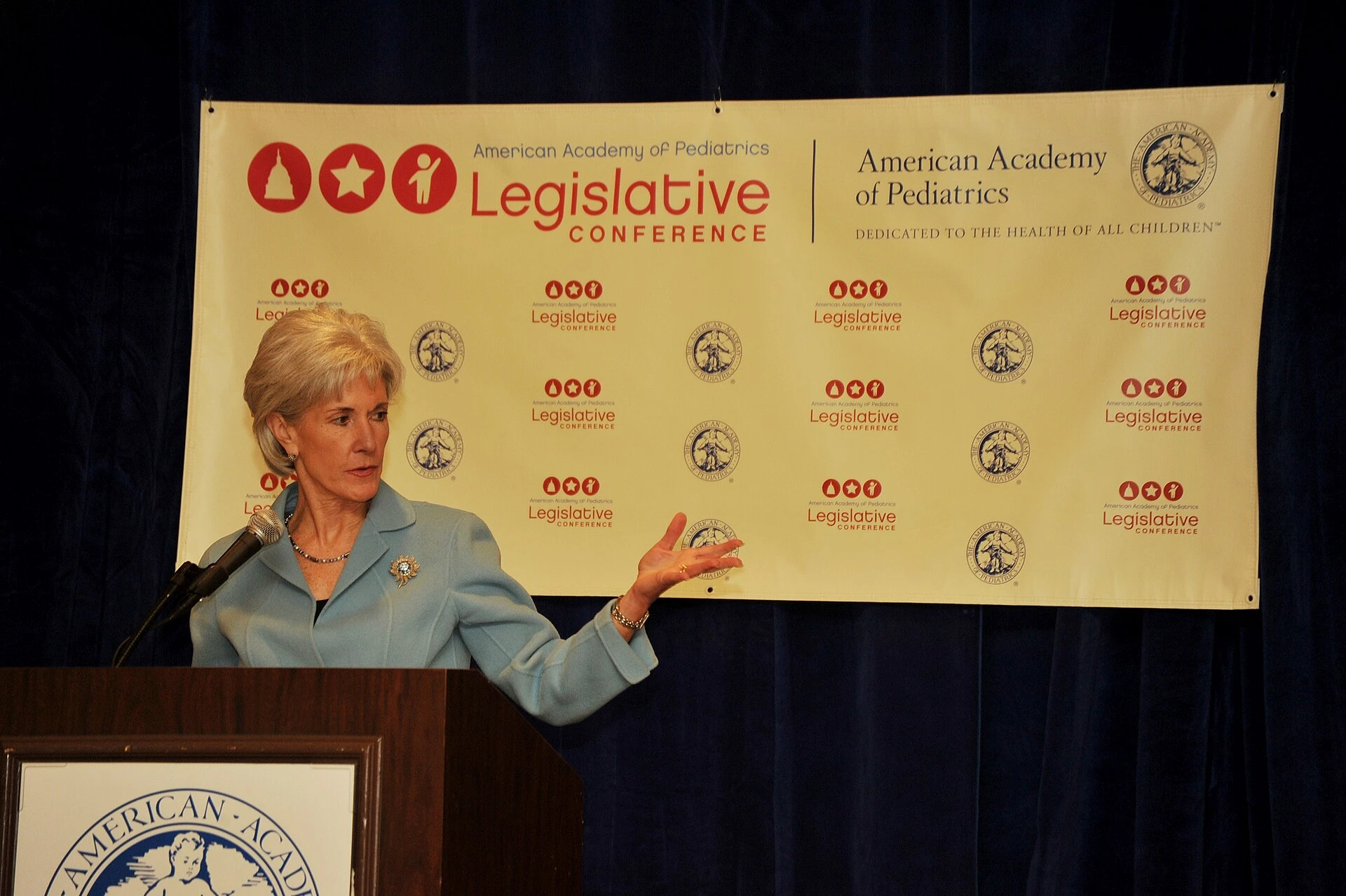
Catherine Ramstetter compares recess to the breaks adults take at work, including coffee breaks or short walks. The point is practical: no school or workplace asks people to perform at full intensity without interruption, and children are no different. If anything, their need for movement, social contact, and reset time is more acute.
The updated AAP guidance also reflects how recess should evolve with age. The academy says recess should look different as children grow older, but it remains just as essential for middle-school and high-school students. That is an important correction to the old habit of treating recess as something children outgrow.
What is at stake for schools and families
At stake is more than schedule management. The AAP’s message is that recess supports the whole child, and that cutting it can weaken the social and emotional infrastructure schools need to function well. When students have time to move, talk, and recover, they return better able to handle the demands of class.
For schools under pressure to deliver academic gains, the policy is a reminder that learning is not just measured by added minutes in a seat. It is also shaped by whether students can regulate themselves, relate to peers, and absorb what the classroom asks of them. The AAP’s updated statement makes the case that recess is one of the most basic ways schools can support those outcomes, and that holding it back for punishment or extra instruction is a mistake with lasting consequences.