World
Abbas sets Palestinian elections for 2026 and 2027 after long delays
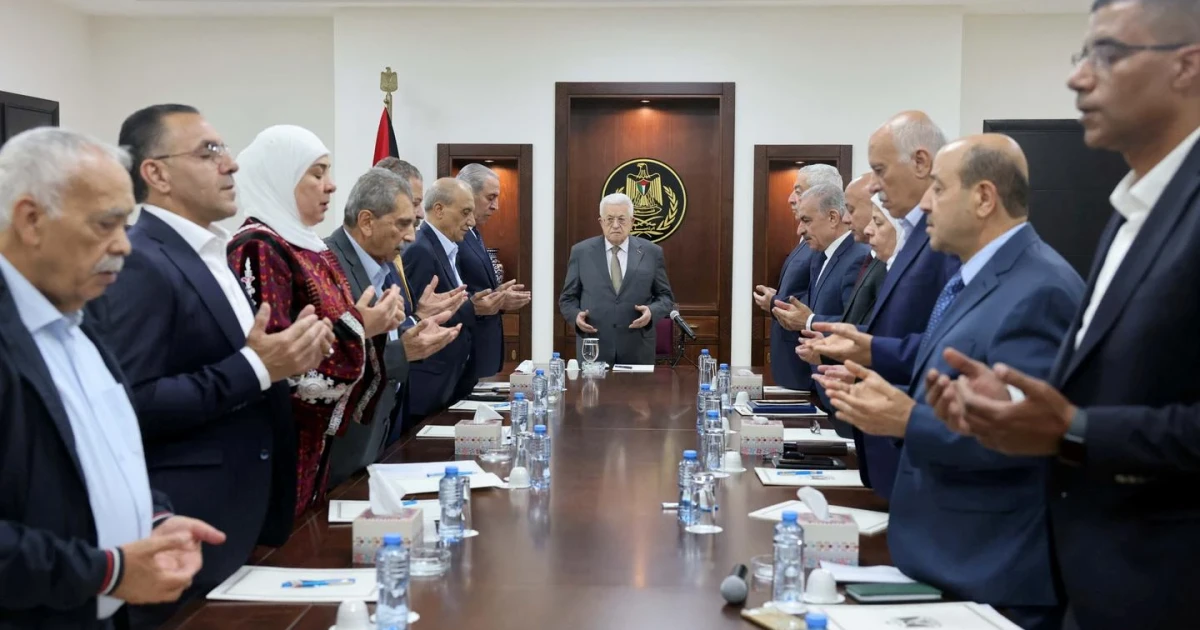
Mahmoud Abbas has done what Palestinian politics has rarely seen in years: set out an election timetable with real dates attached. But the decree, which called for legislative elections in November 2026 and a presidential vote in early 2027, also put a fresh credibility test on a leadership that has repeatedly postponed the ballot and governed through decree.
The timing matters because Abbas, now 90, last won the presidency in 2005 on a four-year mandate that should have ended in 2009. No presidential election has been held since, and the Palestinian system has drifted far from the framework written into the amended Basic Law, which sets the presidential term at four years and allows only two consecutive terms. The last legislative election was held in 2006, when Hamas defeated Fatah, and the Palestinian Legislative Council has been effectively inactive since 2007, after Hamas took control of Gaza and the political system split into rival administrations.
Abbas’s latest move came amid longstanding pressure on the Palestinian Authority from foreign donors and from Palestinians who have watched earlier promises collapse. In 2021, Abbas postponed elections indefinitely after saying they could not proceed without a vote in East Jerusalem. Those parliamentary elections would have been the first since January 2006, underlining how long Palestinians have gone without a functioning electoral reset.
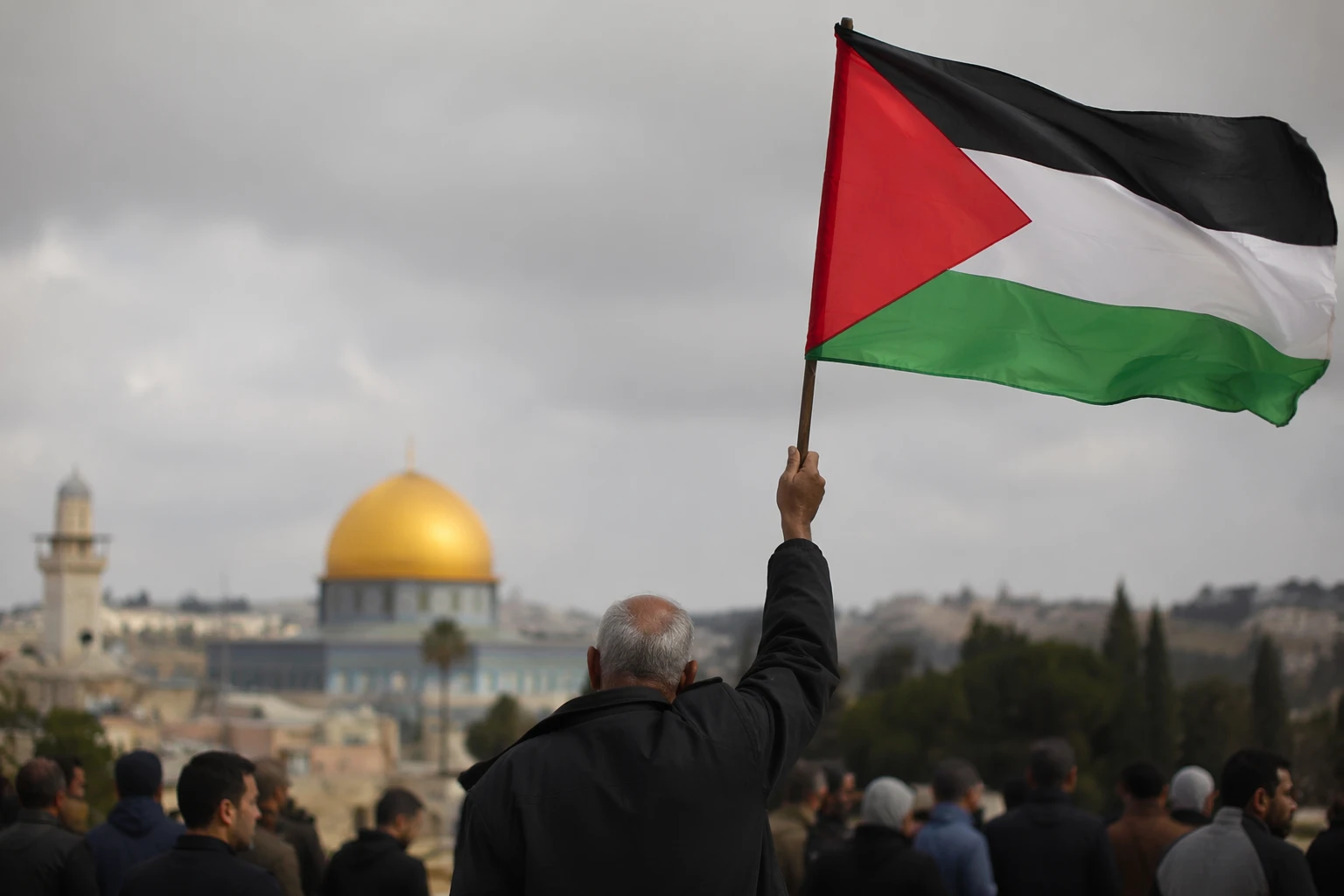
The same obstacle remains at the center of the new timetable: whether voting can actually be organized in East Jerusalem and in the Gaza Strip. A legal researcher cited in the reporting said the absence of guarantees on those fronts remained a major barrier. That uncertainty is not just procedural. It reflects the wider political and territorial fragmentation of the Occupied Palestinian Territory, which UN OCHA says has been shaped by more than 56 years of Israeli occupation, 16 years of blockade in Gaza, and internal Palestinian divisions.
The humanitarian stakes are severe. The 2026 UN flash appeal for the occupied Palestinian territory targets aid for 3 million people in need out of a population of about 5.6 million, a reminder that any election process will unfold against acute social strain, displacement and insecurity.
Abbas also appeared to be reshaping the rules before the vote. On June 14, 2026, WAFA reported that he issued a decree-law amending the general elections law, increasing the Palestinian Legislative Council to 200 seats and lowering the voting age. Earlier, on February 2, 2026, he set Palestinian National Council elections for November 1, 2026. Together, the decrees suggested a broader institutional reset, but they also left open the central question: whether this is the start of real succession planning for the post-Abbas era, or another bid for legitimacy that never reaches the ballot box.