US News
Abbott Pressures Texas Cities Over ICE Cooperation
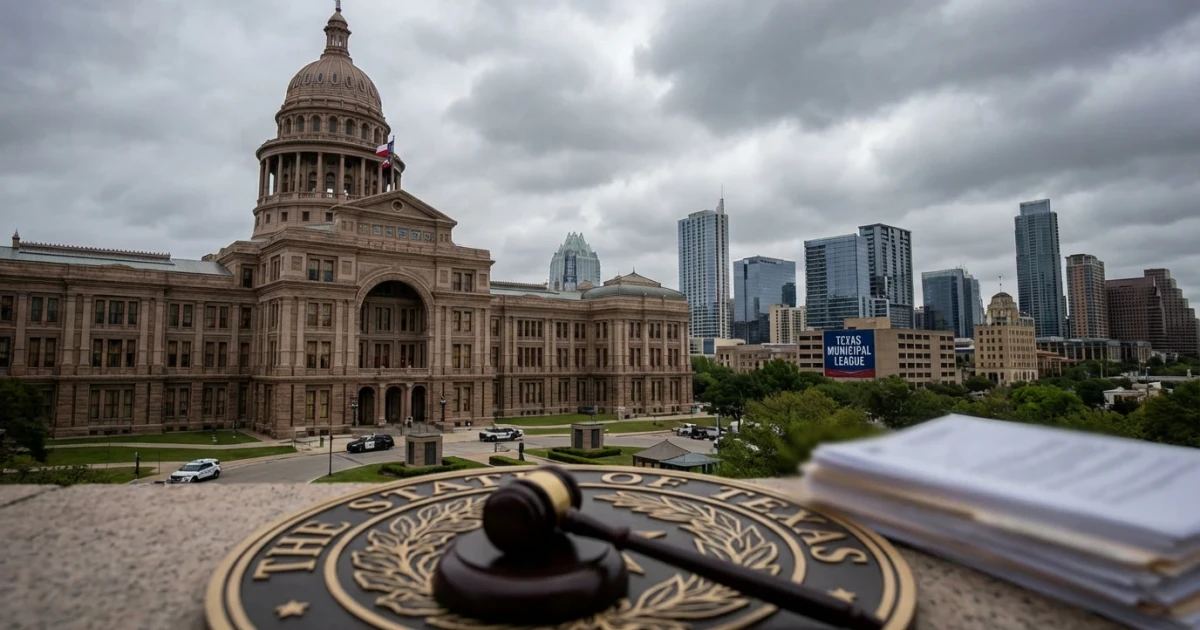
Texas Governor Greg Abbott has escalated his confrontation with the state’s largest cities over immigration enforcement, wielding financial leverage to compel local compliance with federal ICE detainer requests. Houston, the state’s most populous city, recently amended its immigration policies after Abbott froze a substantial $110 million in state grants, spotlighting a contentious debate over local autonomy and immigration enforcement.
Statewide Push to Enforce Cooperation With ICE
Governor Abbott’s move reflects a broader effort to enforce Texas legislation banning so-called sanctuary cities. These laws, modeled in part after Trump-era federal policies, require local law enforcement to honor requests from Immigration and Customs Enforcement (ICE) to detain individuals suspected of being in the country unlawfully. Abbott has positioned himself at the forefront of this campaign, warning cities that failure to comply could lead to the loss of significant state funding.
The New York Times details how Abbott has adopted tactics similar to those used by former President Donald Trump, including high-profile public statements and the use of financial pressure to drive home his administration’s priorities. The governor’s office has not shied away from direct action, as evidenced by the freeze of $110 million in grants to Houston following the city’s initial adoption of new limits on cooperation with ICE.
Houston Responds to State Pressure
Facing the freeze of critical funding, Houston city officials amended their policies to increase cooperation with ICE. Axios reported that the city’s revised approach now brings it in line with the state’s demands, highlighting the leverage governors can wield by attaching conditions to funding streams. The official Houston Police Department ICE Policy (2023) outlines the operational changes, emphasizing compliance with both state law and federal detainer requests.
- Houston’s amendments included clarifying when officers must respond to ICE detainers, and requiring notifications to federal authorities upon the arrest of individuals suspected of being undocumented.
- The $110 million in state grants at stake covered a range of public safety and community programs, underscoring the high stakes of the policy dispute.
Legal and Political Context
The fight over ICE cooperation is not new in Texas. In 2017, the state passed Senate Bill 4 (SB4), which prohibits local governments from adopting policies that limit cooperation with federal immigration authorities. According to the Pew Research Center, Texas is among the most aggressive states in mandating local support for federal immigration enforcement.
Abbott’s recent actions represent a renewed push to ensure compliance, using the threat of withdrawing state funds as a potent tool. The strategy echoes former federal approaches that sought to penalize so-called sanctuary jurisdictions by limiting their access to certain grants.
Impact and Ongoing Debate
Critics, including some local officials and advocacy groups, argue that these tactics undermine local control and erode trust between immigrant communities and law enforcement. Supporters, however, maintain that uniform cooperation with ICE is essential to public safety and the enforcement of immigration law.
- ICE Enforcement and Removal Operations data show Texas among the top states for immigration-related arrests and removals, suggesting that the state’s policies have had a measurable impact on enforcement activity.
- The ongoing debate centers on the balance between state authority and local governance, with significant implications for cities with large immigrant populations.
Looking Ahead
As Governor Abbott continues to pressure Texas cities, the standoff over immigration policy highlights a growing divide in American federalism: the tension between state mandates and local preferences. Houston’s policy reversal, spurred by the threat of losing vital funding, may set a precedent for other Texas cities navigating similar challenges. With immigration remaining a hot-button issue in state and national politics, the outcome of this battle is likely to shape the landscape of enforcement—and local autonomy—for years to come.