Business
AbbVie nears $10.9 billion cash deal to buy Apogee Therapeutics
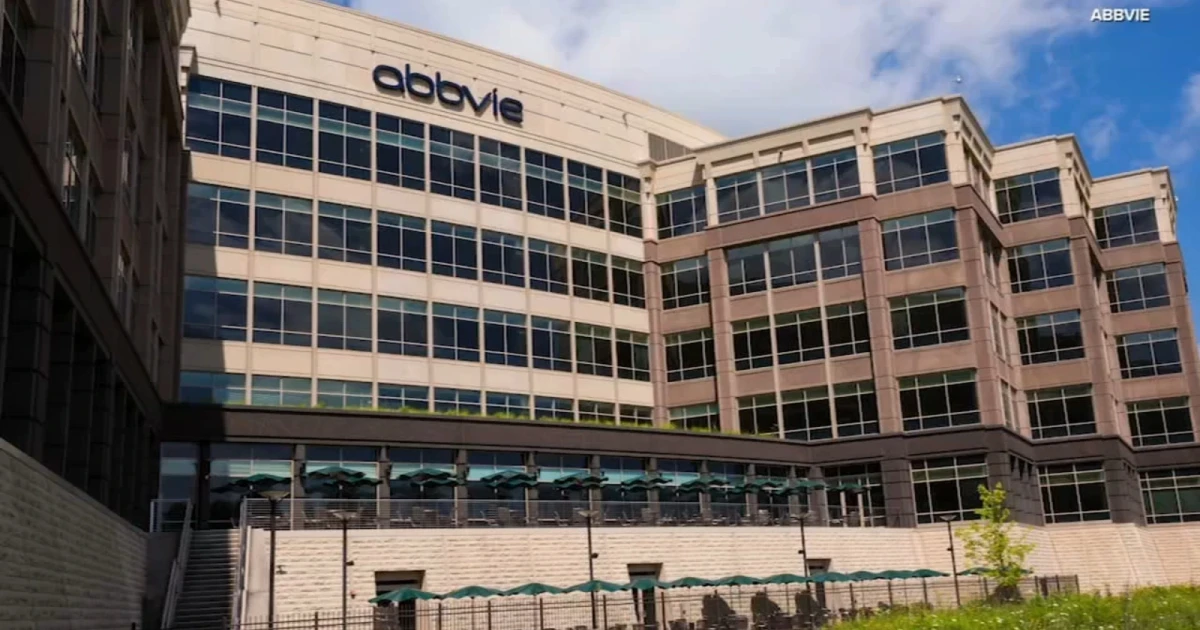
AbbVie is closing in on a $10.9 billion all-cash purchase of Apogee Therapeutics, a deal that would give the North Chicago drugmaker a bigger foothold in inflammatory disease and a pipeline that is closer to market than an early-stage research bet. The proposed price implies roughly a 60% premium to Apogee’s Thursday close, a steep markup that shows how valuable late-stage biotech assets have become as large pharmaceutical companies race to replace aging blockbuster revenue with fresh growth.
Apogee, founded in 2022, has built its case around zumilokibart, an IL-13-targeting monoclonal antibody in atopic dermatitis, with additional programs in asthma and eosinophilic esophagitis. The company also has work in COPD and other immune-driven conditions, a commercial field where chronic treatment demand can translate into recurring revenue if clinical data hold up. That profile helped Apogee secure up to $1.3 billion in flexible financing from Blackstone Life Sciences on May 27, including up to $800 million in synthetic royalty capital and access to as much as $500 million in senior corporate debt.

Apogee said the Blackstone package, together with about $1.3 billion in then-current cash, was intended to make the company self-sustainable through commercialization of zumilokibart without another equity raise. That is exactly the kind of financial bridge that can sharpen a biotech’s strategic value: it lowers near-term funding risk while leaving a larger drugmaker to buy a more advanced asset base instead of financing development from scratch.

AbbVie’s interest also fits its own pipeline needs. The company won U.S. Food and Drug Administration approval on May 27 for pivekimab sunirine-pvzy, branded as DECNUPAZ, for adults with blastic plasmacytoid dendritic cell neoplasm, an ultra-rare blood cancer, and said it was its first antibody-drug conjugate approved for blood cancer. Even with that win, AbbVie still faces the familiar challenge for big pharma: translating one approval into a deeper franchise that can carry growth over the long term. Apogee’s shares were up 19.7% for the year when the deal discussion surfaced, and its market value stood at about $6.81 billion, underscoring how quickly premium valuations can reprice when commercial potential, late-stage data and takeover interest line up. If the talks finish cleanly, an announcement could come as early as Monday, and the size of the check would signal how aggressively AbbVie is willing to pay for a nearer-term immunology engine.