Politics
ABC fights FCC over early license renewals for eight stations

ABC told the Federal Communications Commission to reject petitions to deny early renewals for its eight owned stations, arguing that the agency had turned a routine licensing step into punishment. The company said 95% of the comments submitted to the FCC backed the stations and said the early-renewal demand was unconstitutional.
The fight began on April 28, when the FCC’s Media Bureau ordered The Walt Disney Company and ABC to file early renewal applications for KFSN-TV in Fresno, KABC-TV in Los Angeles, KGO-TV in San Francisco, WLS-TV in Chicago, WABC-TV in New York, WTVD-TV in Durham, WPVI-TV in Philadelphia and KTRK-TV in Houston. The agency tied the move to an investigation involving Disney and ABC and to the public clash over Jimmy Kimmel. ABC later said those licenses would normally not come up for renewal until 2028.
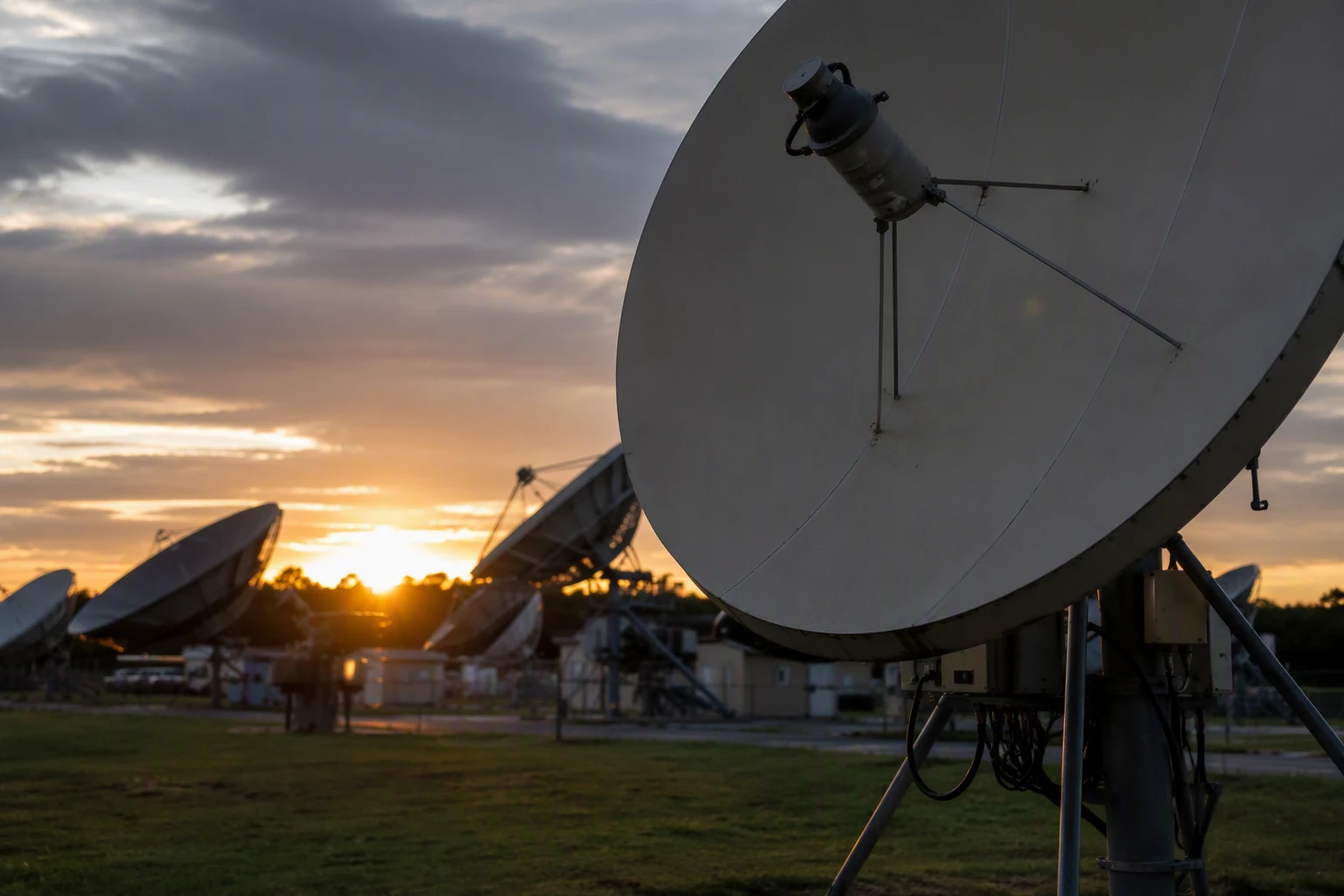
The procedural calendar sharpened the dispute on May 29, when the FCC set June 29 as the deadline for petition-to-deny filings, July 29 for oppositions and Aug. 5 for replies. That gave broadcasters, critics and supporters a set of formal filing windows around a case that former FCC officials had already blasted. In a May 7 letter to Chairman Brendan Carr, the former officials said the order came at his directive and called it an “extraordinary abuse of power.”

The broader concern is not just about ABC’s parent company, but about leverage over local broadcasting licenses. The stations at issue are local outlets in major markets, not the ABC network brand itself, which means the case reaches deep into the control structure of local TV news. Reporters Without Borders warned the move could set a dangerous precedent, while NBC News quoted First Amendment advocates saying the FCC is neither “the journalism police nor the humor police.” Rep. Kevin Mullin also defended a local ABC station in the fight, underscoring how the case has pulled in both press-freedom groups and elected officials. The FCC has said the review was tied to diversity and inclusion policies, adding another regulatory layer to a fight that now centers on whether licensing power can be used to pressure editorial judgment.
Sources
- [1]nytimes.com
- [2]axios.com
- [3]docs.fcc.gov
- [4]variety.com
- [5]rsf.org
- [6]nbcnews.com
- [7]kevinmullin.house.gov