Technology
Aberdeen researchers find training boosts ability to spot AI faces
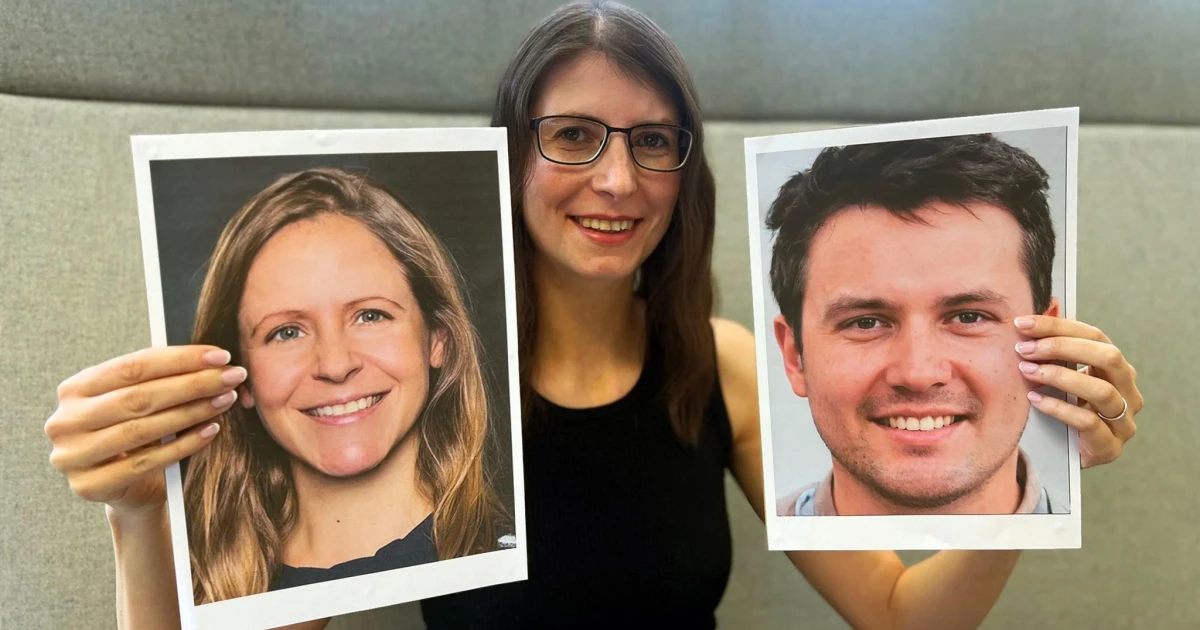
Researchers linked to Aberdeen found that people could be trained to spot AI-generated faces, with accuracy nearly doubling in a study of 45 participants. The paper, Training humans to detect AI-generated faces, appeared in the Proceedings of the National Academy of Sciences and included authors from the Australian National University, the University of Victoria, the University of New South Wales, the University of Aberdeen and the University of Western Australia.
The team used a pre-post design with untrained test faces, then measured how participants performed after training. Mean accuracy nearly doubled, and the strongest performers reached near-perfect detection. The authors also found evidence that participants became better at judging their own performance after training, a sign of metacognitive insight that matters in settings where people must decide quickly whether to trust a picture.
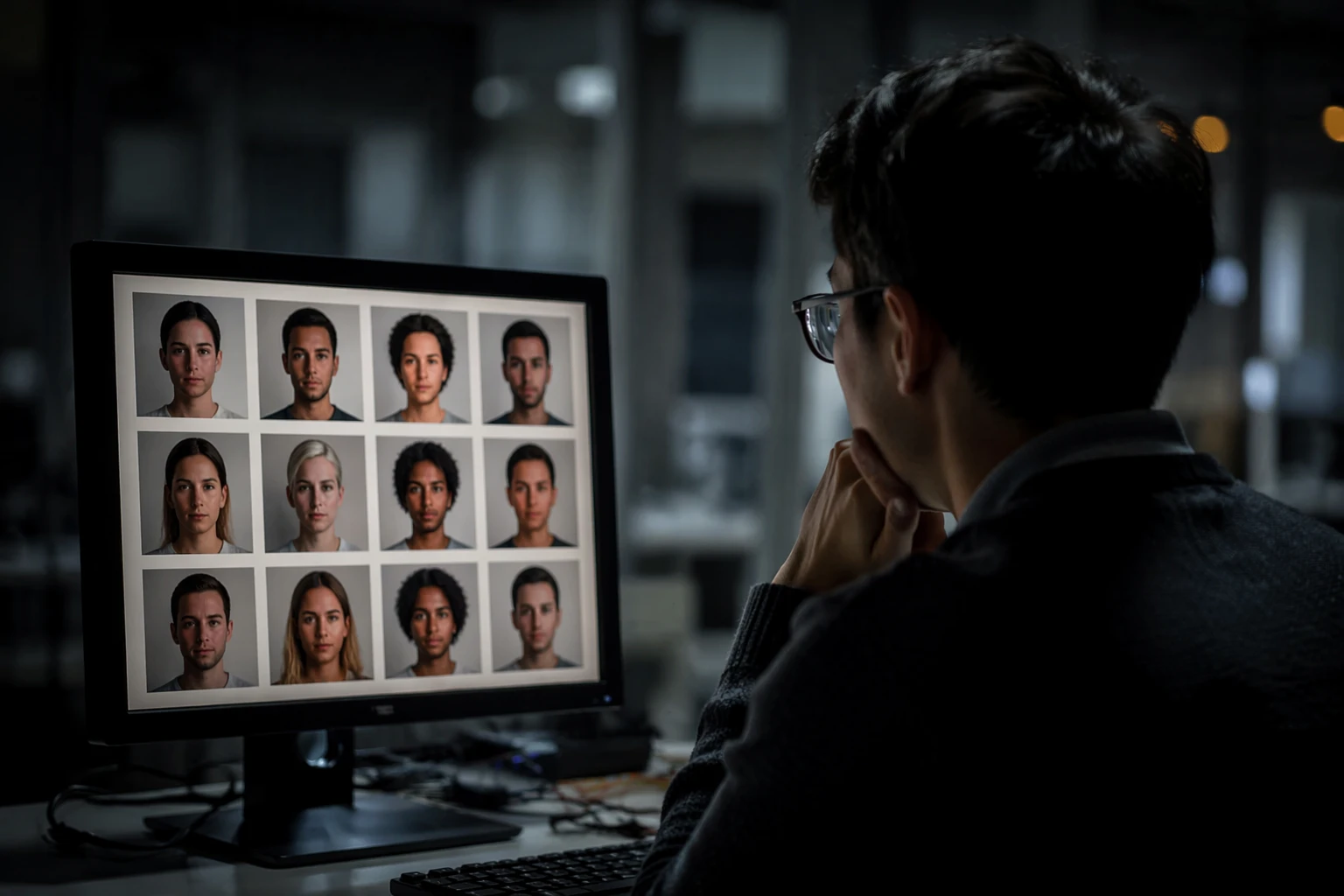
The training did not focus on the obvious visual errors that have become shorthand for AI images, such as extra fingers or strange earrings. Instead, it taught participants to look for six broader qualities: distinctiveness, memorability, proportionality, symmetry, attractiveness and expressiveness. The paper says training based on visual artifacts has largely failed, in part because image generators have improved and bad actors can avoid the most glaring mistakes.
Amy Dawel of the Australian National University said artifact-based training has had limited success because AI is getting too good and fraudsters can avoid obvious flaws. Clare A M Sutherland of the University of Aberdeen said the work was exciting because people can learn AI-face recognition without much instruction. The study lands at a moment when facial deepfakes are becoming realistic enough to complicate ordinary verification, from identity fraud to bogus profiles and manipulated accounts.

The policy backdrop is widening fast. The UK government has projected around eight million deepfakes shared in 2025, up from 500,000 in 2023, a jump it has described as scarily rapid. In the United States, the Government Accountability Office has warned that deepfakes have been used to try to influence elections and create non-consensual pornography, and that detection tools alone may not prevent harm because falsehood can keep spreading even after a fake is identified.

For institutions that handle images, the lesson is practical rather than triumphant. Human training can improve detection, but it cannot replace layered verification, especially when the stakes include fraud, political manipulation and sexual abuse. The Aberdeen study shows that intuition is not a reliable defense against synthetic faces, and that the burden of proving authenticity has to sit with systems, not just individual judgment.
Sources
- [1]bbc.co.uk
- [2]abdn.ac.uk
- [3]pubmed.ncbi.nlm.nih.gov
- [4]gov.uk
- [5]gao.gov
- [6]academic.oup.com