World
Abiy Ahmed’s party wins landslide parliamentary majority in Ethiopia
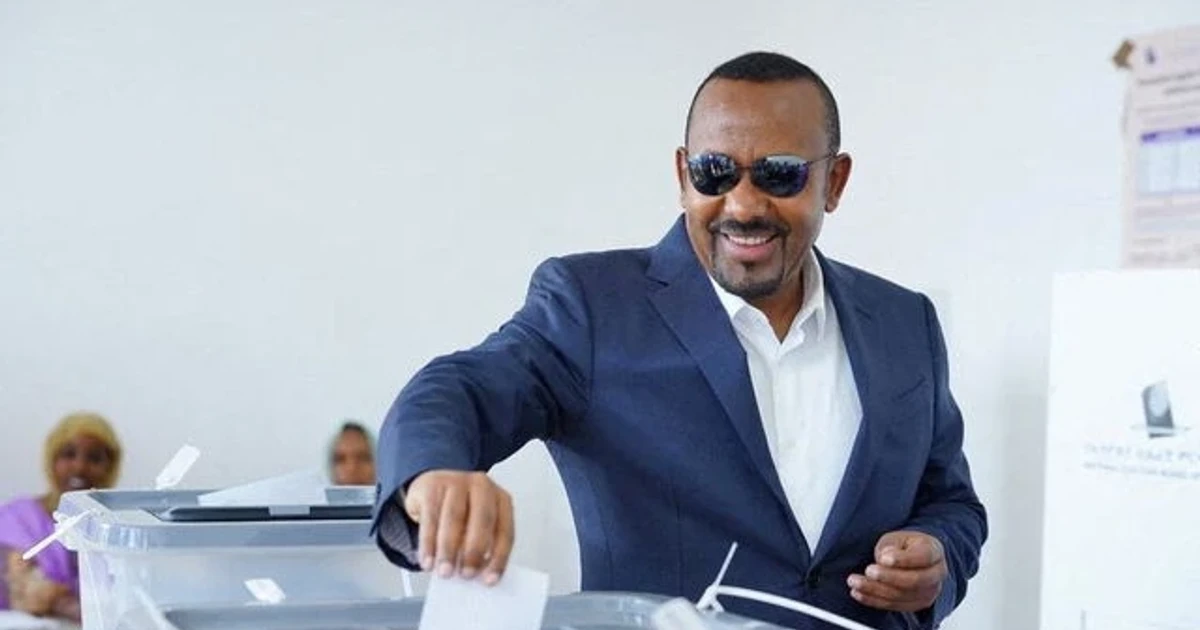
Abiy Ahmed’s Prosperity Party has tightened its grip on Ethiopia’s parliament, but the scale of the victory also exposed how much of the country still sat outside the ballot box. The party won 438 of the 486 contested seats in the House of Peoples’ Representatives, while voting did not take place in Tigray and in parts of Amhara and Oromia amid continued insecurity.
The result gives Abiy a dominant majority heading into a new five-year term, but it also raises hard questions about the reach of Ethiopia’s democracy after years of conflict and unrest. More than 50 million people were registered to vote out of an estimated population of 130 million, and turnout was reported at 94 percent, yet 143 polling stations in Oromia and Amhara never opened because of insecurity.
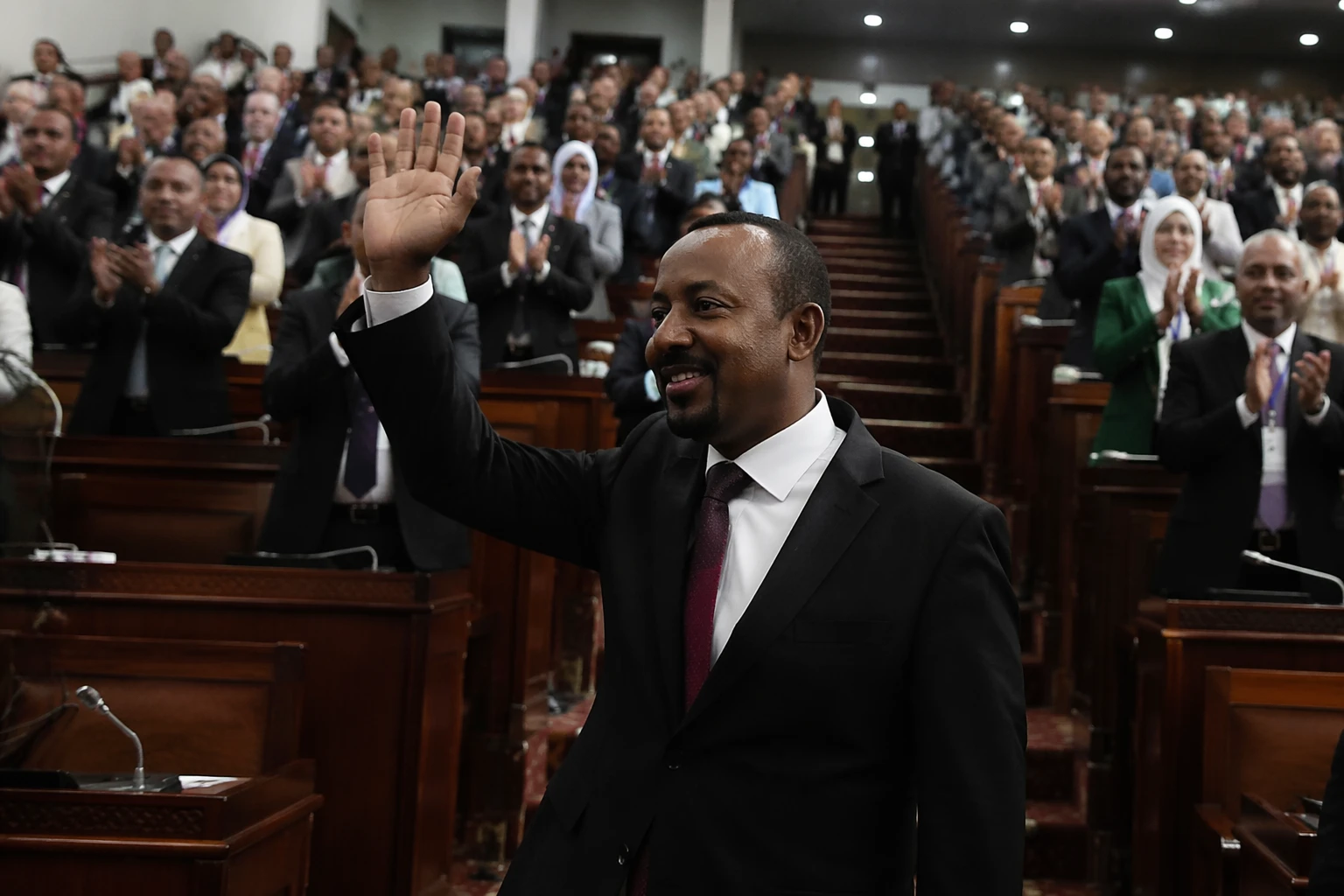
Tigray remained excluded altogether and again had no federal representation, extending a political vacuum that has lasted six years. The region was left out after a two-year civil war and continuing turmoil, a reminder that the state’s authority remains uneven across a federation shaped by armed conflict, ethnic grievances and regional mistrust. In that setting, a parliamentary landslide measures not only support for Abiy but also the shrinking space available for genuine national competition.
The Prosperity Party also benefited from a field that was thin in many districts. It was unopposed in 64 constituencies, while more than 40 parties entered the race. Ezema, the best-represented rival, fielded 293 candidates, compared with 461 for the Prosperity Party, underscoring the imbalance in organization, financing and access.
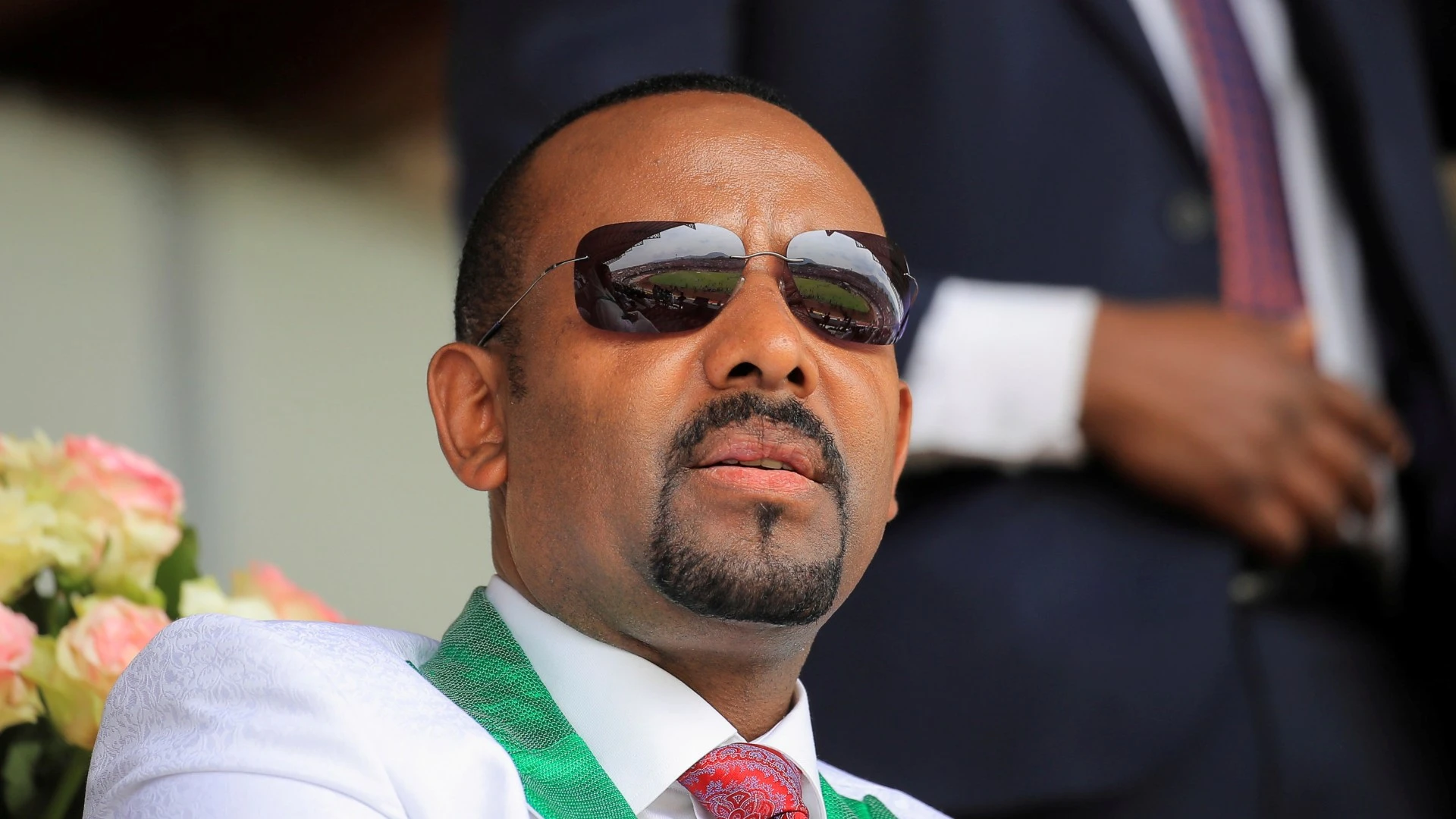
Melatwork Hailu, who chairs the National Election Board of Ethiopia, said the board acted with institutional neutrality and without interference. Opposition candidate Yitayal Assefa of the All Ethiopia Unity Party said opposition members were harassed and could not compete on equal terms, pointing to the gulf between the ruling party’s reach and the conditions facing its challengers.

The political stakes are immediate. Parliament is expected to convene in October and reelect Abiy for another five-year term, extending a hold on power that began after mass protests brought him to office in 2018 and helped him replace the old coalition with the Prosperity Party the following year. The victory may bring continuity in Addis Ababa, but it also leaves Ethiopia with the same unresolved problem: a parliament with a commanding majority, and a country where large areas still cannot vote freely or at all.
Sources
- [1]usnews.com
- [2]local10.com
- [3]dw.com
- [4]news.un.org