Science
Aboriginal Oral Traditions Reveal Ancient Australian Coastlines
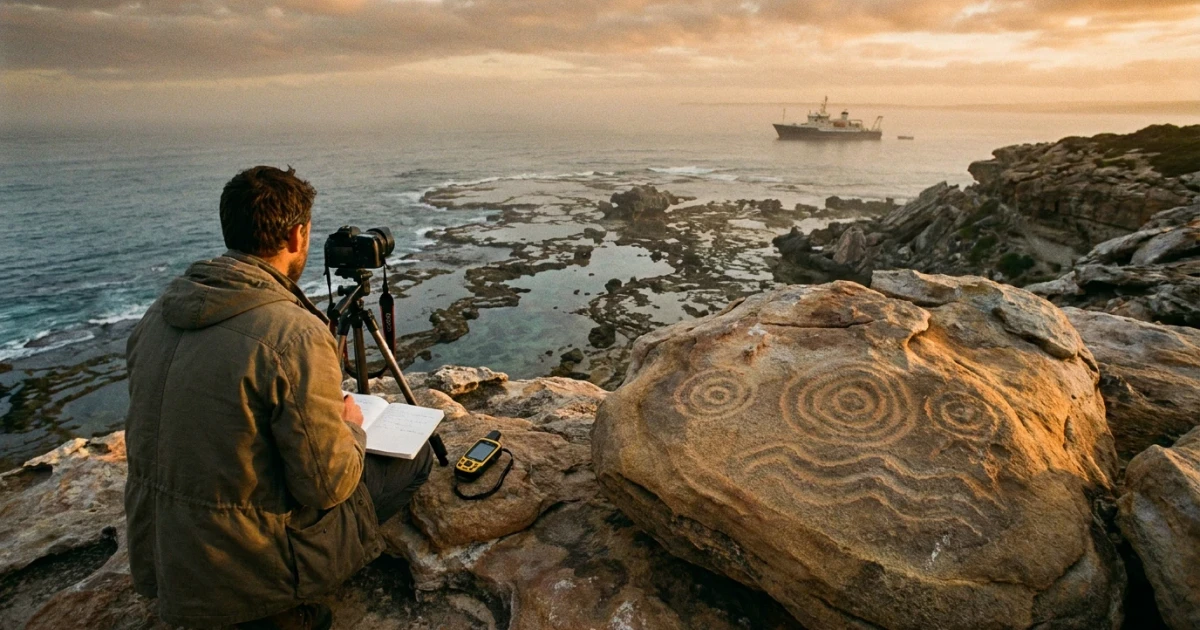
Australian Aboriginal oral traditions are believed to contain memories of ancient coastlines that vanished beneath the sea thousands of years ago, according to recent research highlighted by Space Daily. Scholars suggest these stories could represent some of the oldest surviving records of environmental change in human history, offering a unique window into both cultural heritage and geological events.
Oral Histories and Ancient Coastlines
Aboriginal communities across Australia have long maintained complex oral traditions, including stories passed down through generations. Researchers now propose that some of these narratives may reference coastlines inundated by rising sea levels after the last Ice Age, potentially dating back over 10,000 years. This hypothesis is supported by geological evidence showing significant sea-level changes in the region during this period.
- Scientific data from the PANGAEA repository confirms that Australia experienced dramatic coastal inundation in the early Holocene, reshaping the continent's shoreline.
- Government monitoring programs like Geoscience Australia continue to track sea-level changes, building on historical records that match the timelines referenced in some Aboriginal stories.
Evidence from Research and Geological Records
Peer-reviewed studies, such as those published in Quaternary Science Reviews and PubMed, analyze the correlation between Aboriginal memories of inundation and physical evidence of coastline shifts. These works detail how oral accounts often describe features—such as islands or landmarks—that disappeared as the sea encroached, aligning with scientific reconstructions of Australia’s ancient geography.
- Stories from regions like the Gulf of Carpentaria and the southeast coast include references to land now underwater, which researchers believe is consistent with CSIRO sea-level research showing rapid marine transgression after the Ice Age.
- Analysis in Nature Geoscience suggests that the detail and consistency of these traditions indicate genuine memory, rather than myth or metaphor, and may reflect events occurring up to 13,000 years ago.
Significance for Science and Cultural Heritage
The convergence of oral tradition and geological science offers a powerful case for the longevity of human memory and the value of Indigenous knowledge. Scholars argue that Aboriginal stories provide not only historical insight but also a record of environmental adaptation, as communities responded to changing coastlines and resources.
- These traditions may inform climate scientists studying present and future sea-level changes, offering lessons for resilience and adaptation.
- The recognition of these stories as historical records underscores the broader importance of preserving Indigenous languages and narratives.
Looking Ahead
Continued interdisciplinary research is expected to further clarify the connections between Aboriginal oral history and ancient environmental events. As Australia faces ongoing challenges from modern sea-level rise, these traditions may become increasingly relevant, both as scientific resources and as cultural touchstones for understanding long-term change.
The possibility that humanity’s oldest surviving true stories are preserved in Aboriginal oral traditions highlights the depth and resilience of Indigenous knowledge systems. As researchers deepen their collaboration with Aboriginal communities, new insights into both history and contemporary environmental dynamics are likely to emerge.