Politics
ActBlue chief to testify on alleged foreign donation vetting lapses
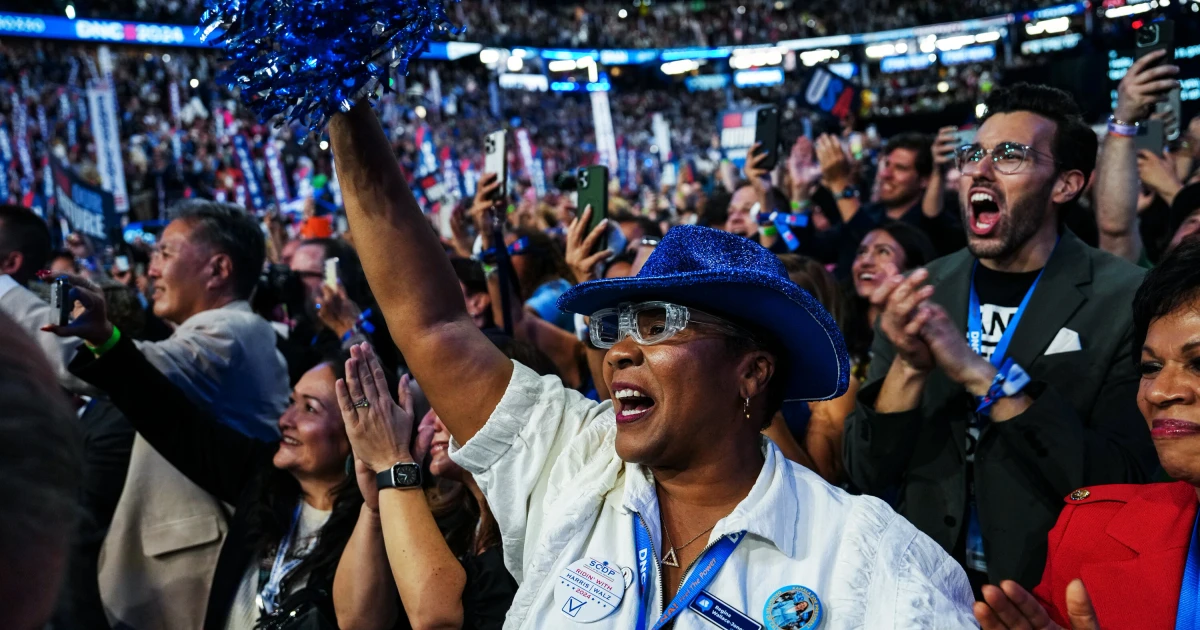
ActBlue’s chief executive was set to face House investigators in Washington as Republicans pressed a widening case that the party fundraising giant failed to screen out foreign or fraudulent money before it reached U.S. elections. The hearing put Regina Wallace-Jones at the center of a fight over campaign-finance safeguards, with lawmakers treating the issue as a test of whether online donation platforms can be trusted to keep illicit contributions out of the system.
Chairman Bryan Steil first invited Wallace-Jones to testify at a public House Administration Committee hearing in an April 23 letter, then announced on May 16 that she would appear on June 10. The committee’s inquiry dates to October 31, 2023, when Steil raised concerns after reports that ActBlue accepted donations without CVV verification, a basic check meant to help confirm a cardholder’s identity and reduce fraud.
The investigation deepened through 2024 and 2025 as the House Administration, Judiciary and Oversight committees issued letters, subpoenas and joint staff reports. In April 2025, the committees said ActBlue had made its fraud-prevention rules “more lenient” twice in 2024, even as lawmakers said reports of fraud, including possible foreign-source activity, kept piling up. Republicans argued that any weakness in the platform’s screening process could let straw donors or overseas actors route illegal money into American elections under ordinary-looking contribution records.
House Republicans’ April 2026 report sharpened those claims further. It said subpoenaed documents showed every member of ActBlue’s legal and compliance team had resigned, been fired or gone on extended leave by March 2025, after the 2024 election cycle. The same report said five current or former ActBlue employees invoked the Fifth Amendment 146 times during congressional depositions, a move Republicans cast as central to their effort to determine whether the platform mishandled warnings about unlawful donations. The report also alleged that Wallace-Jones had made earlier misstatements to Congress.
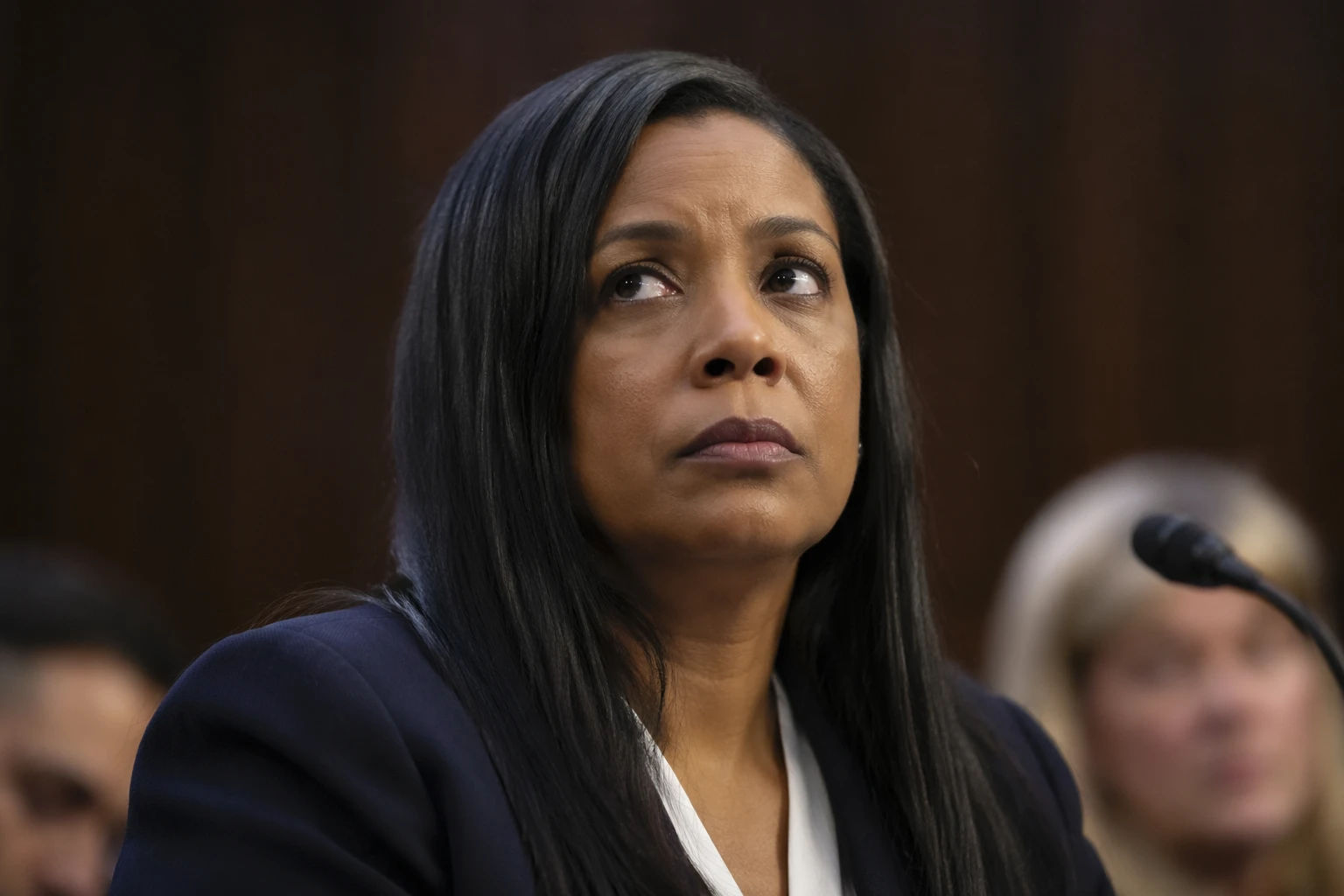
ActBlue pushed back. On April 2, 2026, the company said it had worked with New York Times reporters on the allegations and had provided context about what happened. In June 2025, ActBlue said the Republican inquiry was partisan and argued that it had “nothing to hide” but needed to explain its role more clearly.
The pressure did not stop there. On July 22, 2025, House committees subpoenaed Wallace-Jones for materials tied to the investigation, and on June 2, 2026, committee chairs requested documents and transcribed interviews with five ActBlue board members. House Republicans have also warned that contempt proceedings could follow if ActBlue does not fully comply. With a major election cycle ahead, the question before Congress is whether ActBlue’s vetting failed, and whether the rules governing online political money need to be tightened before the next wave of donations arrives.
Sources
- [1]nytimes.com
- [2]cha.house.gov
- [3]judiciary.house.gov
- [4]actblue.com
- [5]c-span.org