Technology
Adobe’s Indigo camera app adds generative AI tools for iPhone editing

Adobe is updating its Indigo camera app with generative AI tools, a sharp turn for an iPhone app that was introduced to produce a more natural, SLR-like look. The move pushes Adobe’s camera and editing strategy closer to synthetic image-making at the moment users are being asked to trust what still counts as a photograph.
Project Indigo first appeared on Adobe Research on June 13, 2025 as an experimental camera app developed by Adobe’s Nextcam team. Marc Levoy and Florian Kainz were named as the authors of the launch post, and Adobe positioned the app as a free-to-use iPhone camera aimed at less processed photos. The company later updated its Project Indigo FAQ page on Jan. 15, 2026.
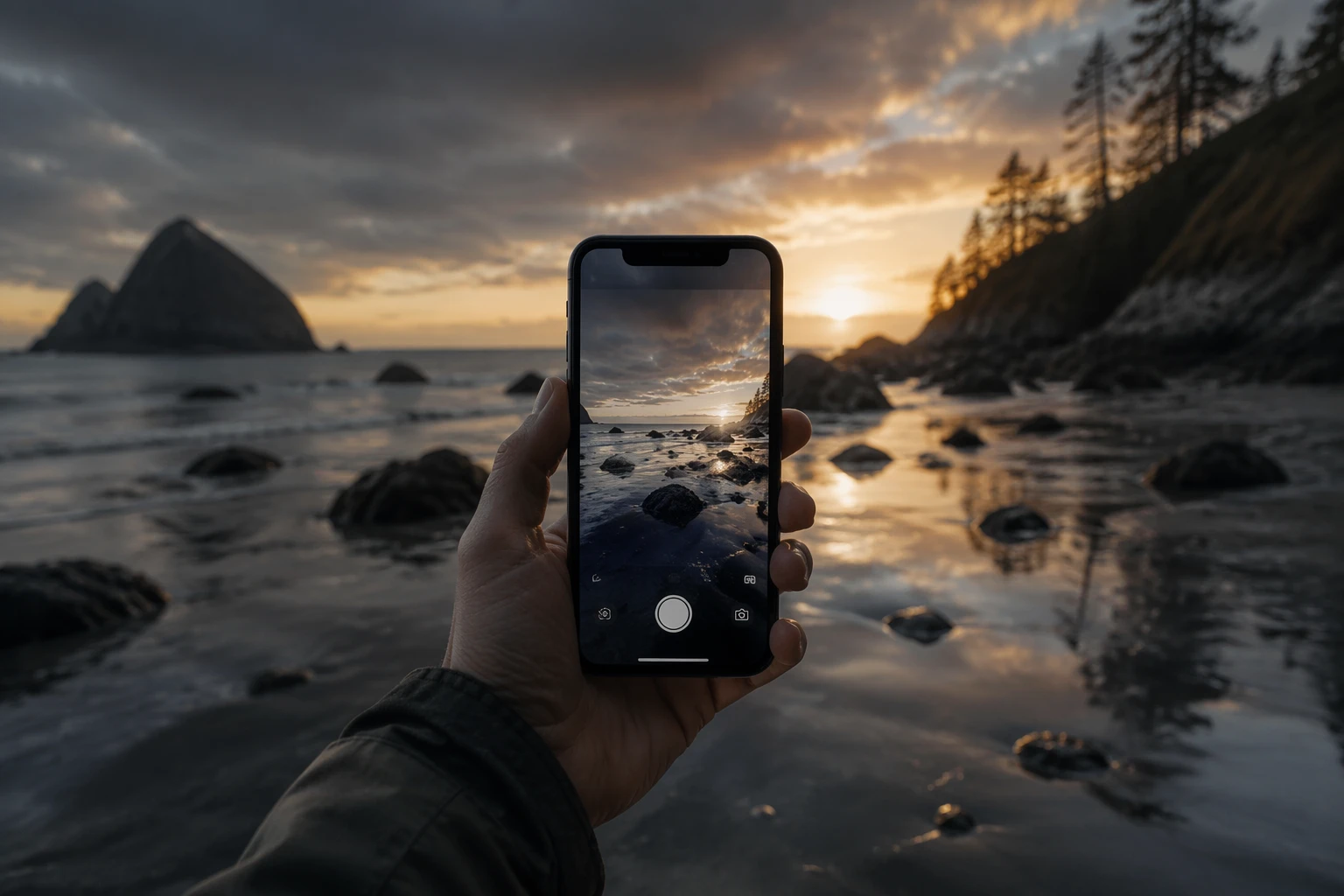
The new AI features do not rely on Adobe’s own Firefly models alone. Adobe describes Indigo as a computational photography camera app, but its broader mobile AI ecosystem now includes access to third-party AI models using generative credits for more precise edits without leaving the app. That design choice matters because it moves Indigo further from simple correction tools and closer to an editing environment where the software can invent as well as refine.
Adobe has been widening that same lane elsewhere in its photo products. Lightroom Classic now includes Generative Remove, distracting people removal, reflections removal, and AI-powered dust removal. In practice, those tools let photographers clean up scenes with far more than traditional retouching, removing objects, people, glare, and sensor dust with machine assistance rather than manual cloning.
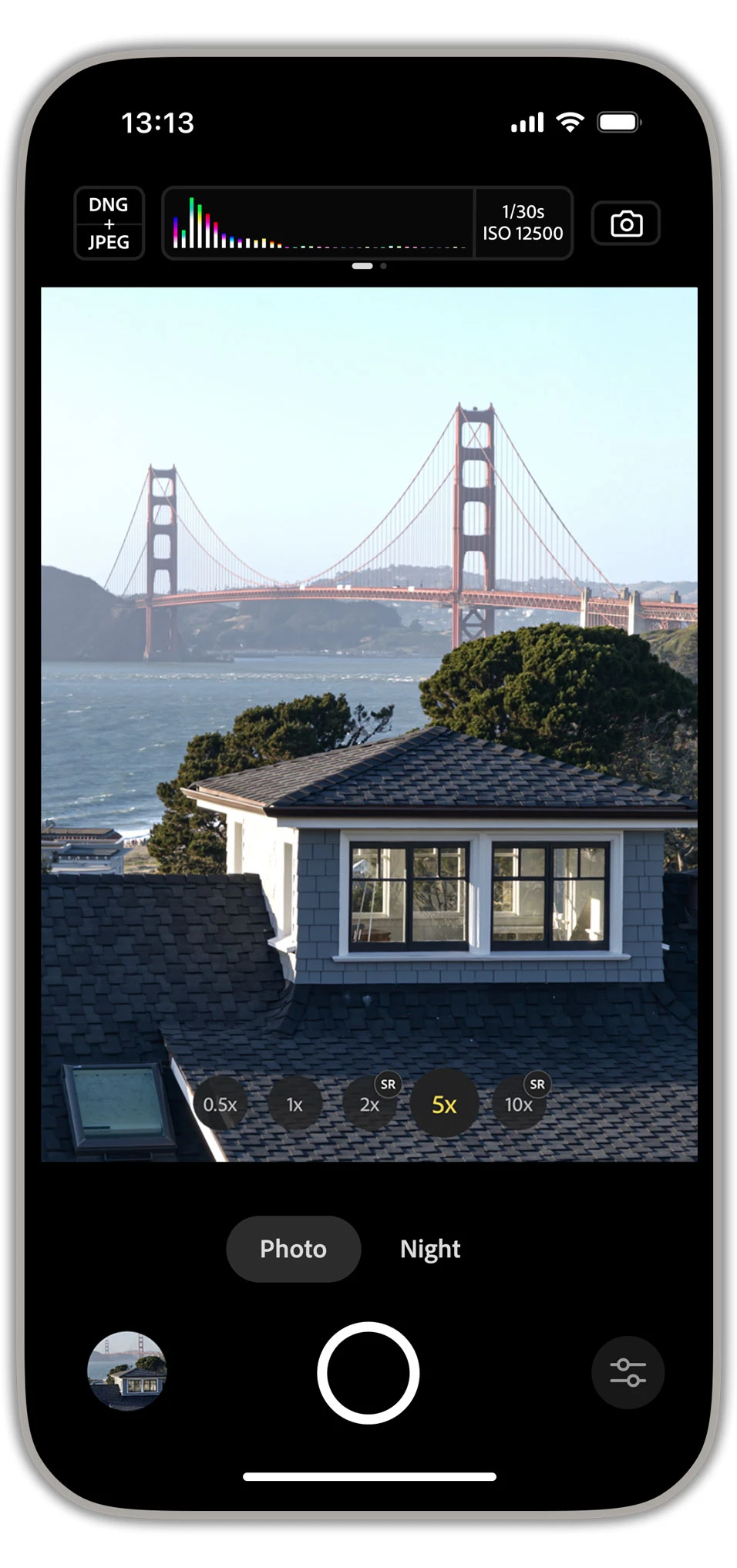
Indigo itself has already changed after launch. A June 30, 2025 Android Authority report said one update disabled super-resolution by default on some iPhones, a sign that Adobe has been adjusting the app’s computational pipeline as users test its results on different devices. That matters because Indigo was originally sold as an alternative to heavy processing, not a gateway to more aggressive image synthesis.

Adobe’s latest direction leaves a harder question hanging over everyday photo editing: when does enhancement become fabrication, and how is a user supposed to tell the difference once generative tools sit inside the camera app itself?