Business
Adult Learners Now Outnumber Traditional College Students
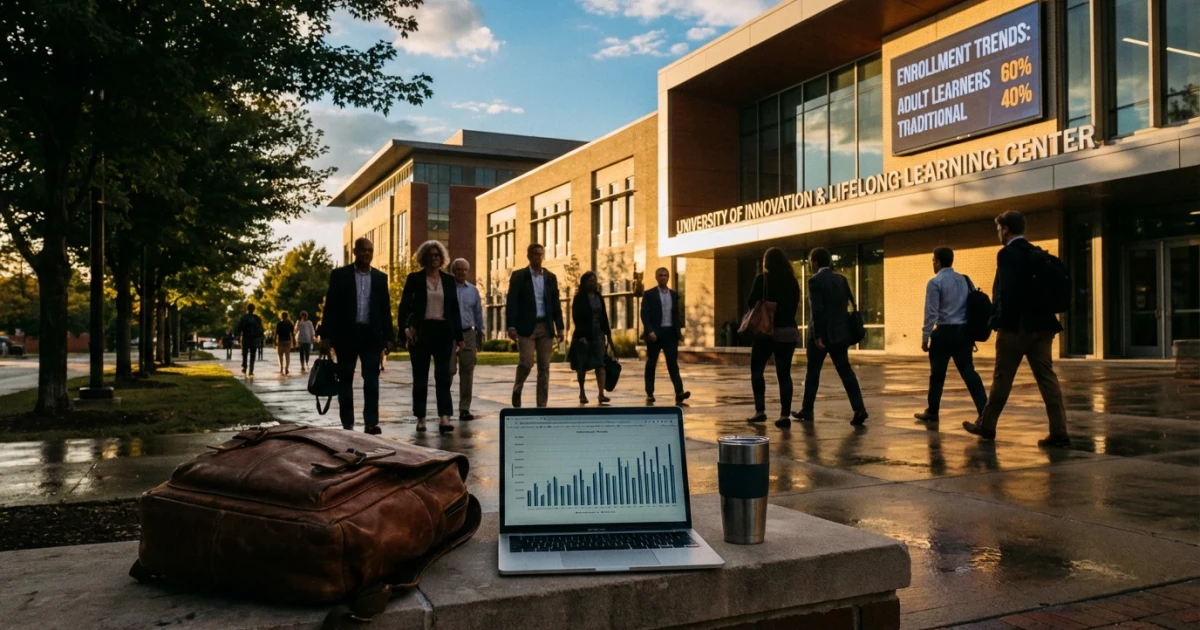
Adults have become the new majority in higher education classrooms, driven by a mix of career ambitions, economic shifts, and personal growth goals. This trend signifies a major transformation in American colleges and universities, altering both the composition and priorities of postsecondary institutions nationwide.
Changing Demographics in Higher Education
Once dominated by recent high school graduates, U.S. higher education is now seeing a surge in adult learners—students aged 25 and older—enrolling in degree, certificate, and workforce development programs. According to the National Center for Education Statistics (NCES), the proportion of postsecondary students over 24 has steadily increased, reflecting broader trends in the workforce and society.
- Lumina Foundation data shows that more than a third of U.S. college students are now adults balancing work, family, and education.
- The U.S. Department of Education highlights increasing participation in adult education programs, which reached millions annually.
- This shift is confirmed by the 2023 Adult Learner Report, which documents steady enrollment growth among older students.
Motivations Behind the Trend
Many adults are returning to school to remain competitive in a rapidly evolving job market. As industries transform through technology and automation, workers seek new skills or credentials to advance or change careers. Others are motivated by personal fulfillment, pursuing education in fields of interest or completing unfinished degrees.
The Pew Research Center found that adult students often cite career advancement, higher earning potential, and job stability as top reasons for enrolling. Flexibility is also a major factor, with many institutions now offering online, evening, and accelerated courses to accommodate working adults and parents.
Impact on Colleges and Universities
This demographic shift is reshaping campus life and academic programming. Schools are investing in:
- Flexible learning options such as hybrid and online courses
- Prior learning assessments to give credit for work experience
- Expanded support services like childcare, career counseling, and mental health resources tailored to adults
Institutions that adapt to adult learners' needs are seeing stronger enrollment growth, according to the Council for Adult and Experiential Learning. Schools lagging in flexibility or support risk losing students to more responsive competitors.
Economic and Societal Implications
Experts see this trend as a response to shifting labor market demands. As the economy requires higher-level skills and lifelong upskilling, adult education becomes essential for workforce competitiveness. The Lumina Foundation’s Stronger Nation Report stresses that increasing the number of adults with degrees or credentials is critical to economic growth and social mobility.
At the same time, the rise of adult learners challenges traditional models of student life and campus engagement, as many adults juggle work, family, and studies instead of living on campus or participating in extracurricular activities. Institutions are responding with new approaches to advising, financial aid, and academic programming.
Looking Ahead
As the share of adult students continues to grow, higher education leaders are rethinking recruitment, curriculum, and support services to better serve this "new majority." Policymakers and employers are also investing in initiatives to expand access and encourage lifelong learning.
This ongoing shift suggests that the future of American higher education will be increasingly defined by the needs and aspirations of adult learners—making flexibility, relevance, and support the new hallmarks of successful colleges and universities.