Health
Advancing Community Wellness: How Leading Universities Shape Health & Well-being
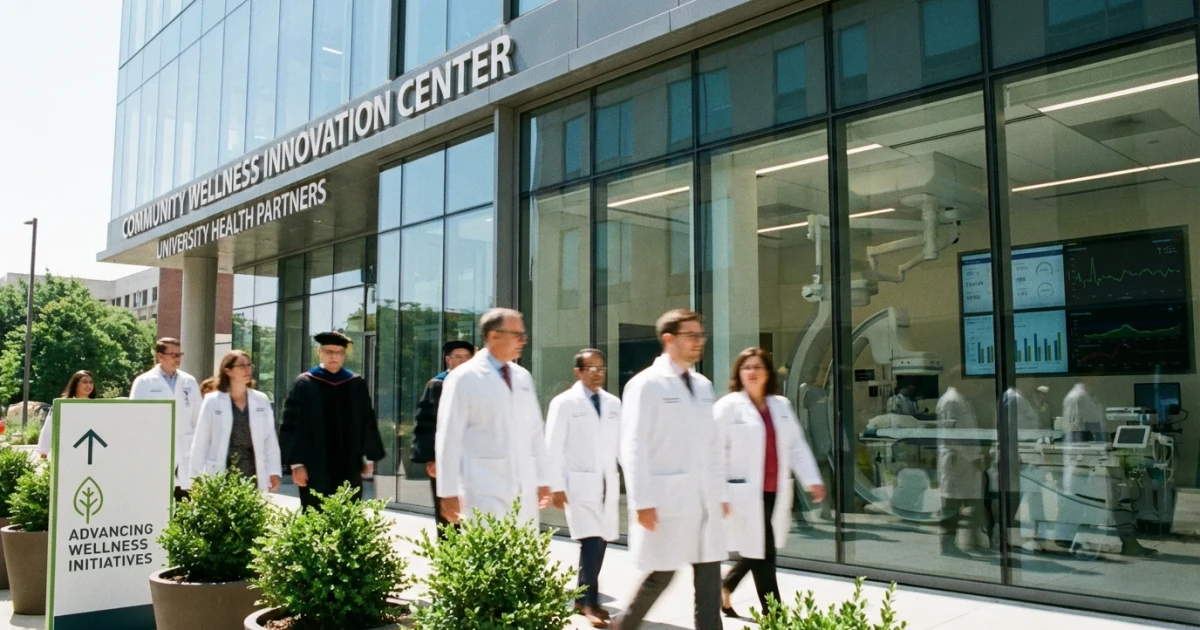
Universities and academic medical centers are playing a pivotal role in shaping the future of health and well-being, both on their campuses and in their broader communities. Institutions such as The University of Texas at Austin and Penn Medicine Princeton Health are at the forefront of this movement, providing comprehensive resources, education, and care that extend far beyond traditional academic boundaries.
University-Based Health Initiatives
Academic institutions like UT Austin and Princeton Health are committed to fostering a culture of wellness on campus. These organizations recognize that supporting students, faculty, and staff in their health journeys is essential for academic and personal success. Their approaches typically include:
- Integrated physical and mental health services
- Preventive care and wellness education
- Access to counseling and psychological support
- Nutrition and fitness programs
By prioritizing these resources, universities ensure that their communities are equipped to manage stress, maintain healthy lifestyles, and access care when needed.
Community Health Impact
The influence of institutions like Penn Medicine Princeton Health extends well beyond their campus borders. As part of a leading academic medical system, Princeton Health serves as a crucial healthcare resource for the surrounding region. Through partnerships, outreach programs, and educational initiatives, academic centers are helping to:
- Improve public health outcomes in local communities
- Educate the public on disease prevention and management
- Offer specialized services and advanced treatments
- Support underserved populations through outreach and charity care
This commitment to service amplifies the impact of academic health systems, ensuring that innovations in research and care benefit not only university affiliates but also the broader public.
Innovative Approaches to Well-being
Both UT Austin and Penn Medicine Princeton Health are recognized for their innovative approaches to health and well-being. Their strategies often include:
- Collaborations between researchers, clinicians, and educators
- Utilization of technology for personalized health tracking and telemedicine
- Research-driven interventions targeting student and community needs
- Development of evidence-based mental health and stress reduction programs
These efforts highlight the evolving nature of campus health, where data, research, and community input drive the creation of effective support systems.
Looking Ahead: The Evolving Role of Academic Health Centers
As health challenges continue to evolve, the roles of universities and academic medical centers are expanding. By integrating wellness into the fabric of their institutions and extending resources to the broader community, organizations like The University of Texas at Austin and Penn Medicine Princeton Health are setting new standards for holistic well-being. Their ongoing commitment signals a future where health, education, and community engagement are deeply intertwined.