US News
Advocates warn Trump plan could move special education to Kennedy's HHS
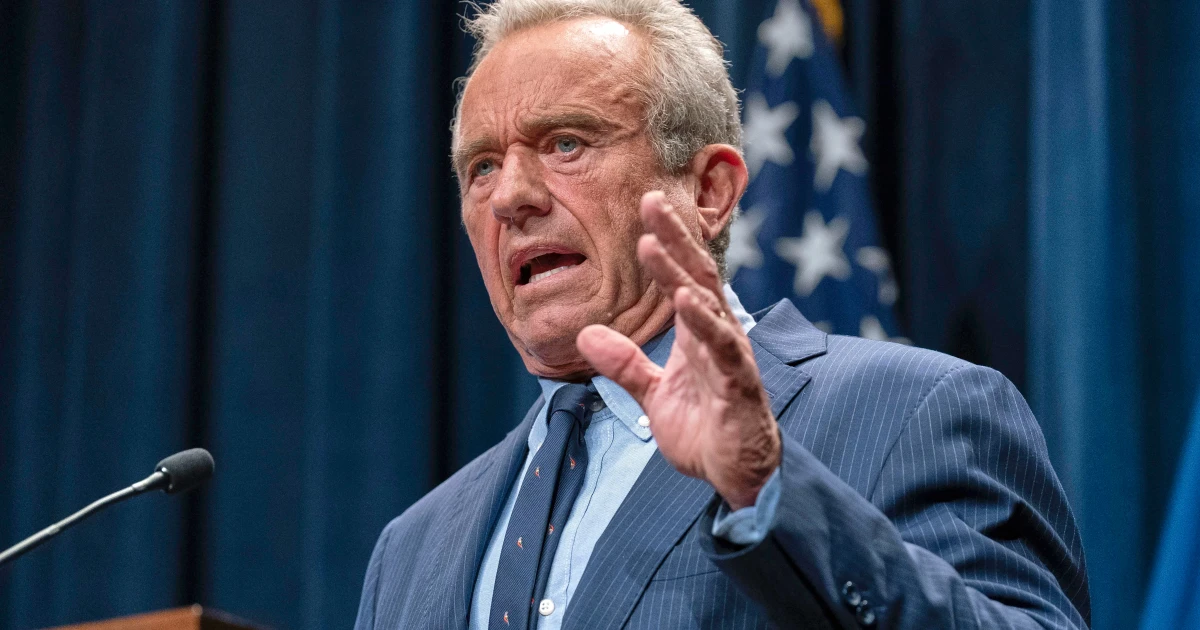
Moving special education responsibilities out of the Education Department and into Robert F. Kennedy Jr.’s orbit could change far more than a Cabinet chart. Advocates warn it could weaken civil-rights enforcement, muddle who oversees key disability laws and put the nation’s largest school-based support system under an agency led by a secretary whose autism claims have fueled distrust among families and educators.
The stakes are enormous. The Education Department says the Individuals with Disabilities Education Act guarantees a free appropriate public education and governs early intervention, special education and related services for eligible children with disabilities. The National Center for Education Statistics said 7.5 million students ages 3 to 21 received special education and/or related services under IDEA in 2022-23, about 15% of all public school students. For advocates, that means any transfer of authority is not symbolic: it could affect how schools are monitored, how complaints are handled and how families assert legal rights.
The administration’s broader push began on March 20, 2025, when President Donald J. Trump signed an executive order directing the Education Department to take steps to facilitate its own closure. A White House fact sheet said the order was intended to return education authority to states while maintaining uninterrupted delivery of services and benefits. But disability-rights groups say that promise is hard to square with a relocation of special education oversight, because the Education Department currently houses the core legal and monitoring functions tied to IDEA and Section 504 of the Rehabilitation Act.
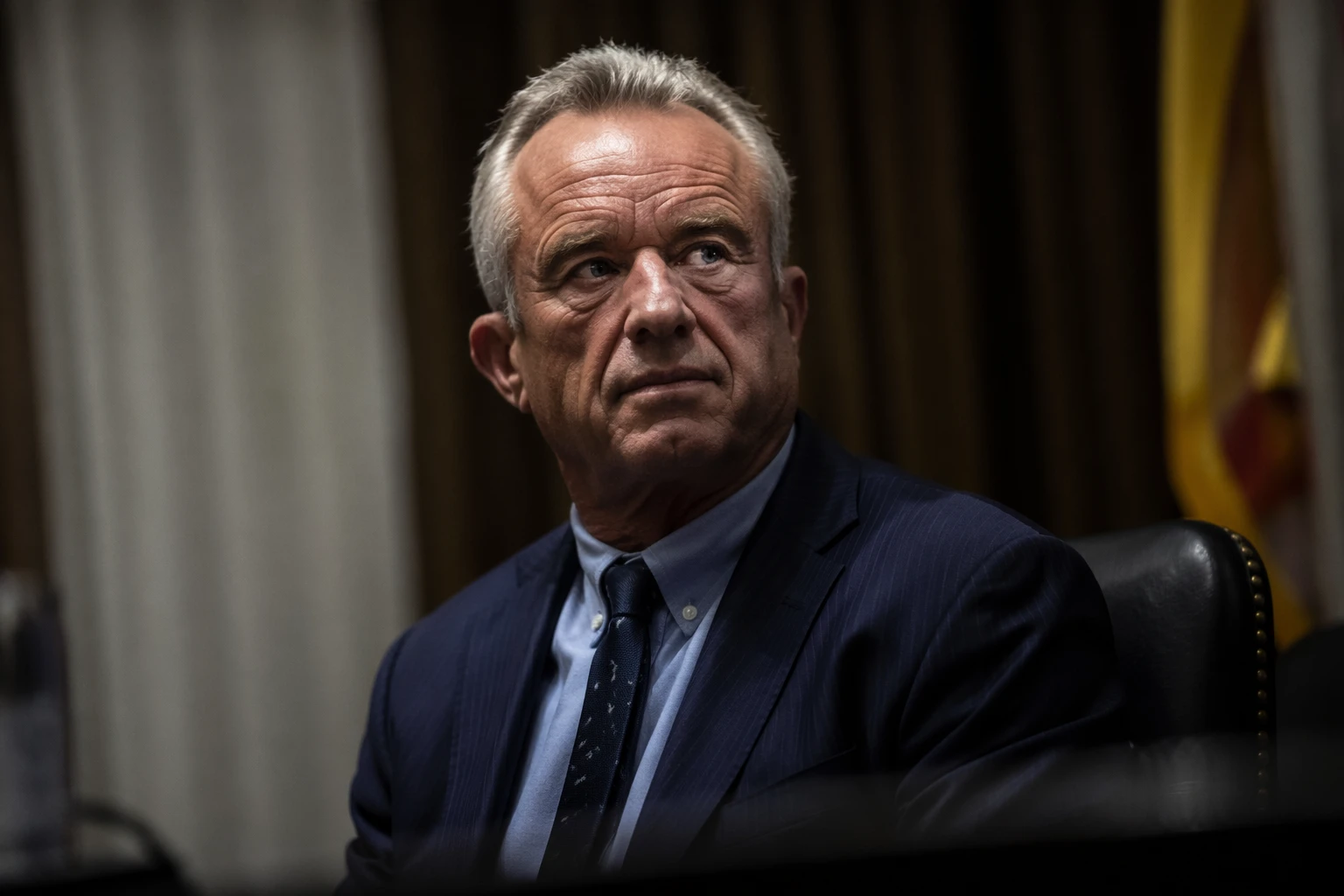
That concern has sharpened because Kennedy has made autism a central part of his public health agenda. In 2025, HHS and Trump announced autism-related actions, and HHS said autism now affects 1 in 31 American children and had surged nearly 400% since 2000. Advocates say that rhetoric stigmatizes disabled people and can erode trust in the agencies meant to protect them. On January 28, 2026, HHS announced 21 new members of the Interagency Autism Coordinating Committee, underscoring how much autism policy has shifted into Kennedy’s department.
Disability groups including the Council of Parent Attorneys and Advocates, the National Center for Learning Disabilities, the American Civil Liberties Union and the Autistic Self Advocacy Network have all pushed back in recent months. COPAA says it works to protect the civil rights and secure excellence in education for more than 8.2 million children with disabilities eligible for special education services. Their warning is blunt: if special education oversight leaves Education, schools and families could face confusion over where to turn when services are denied, plans are challenged or federal protections are ignored.
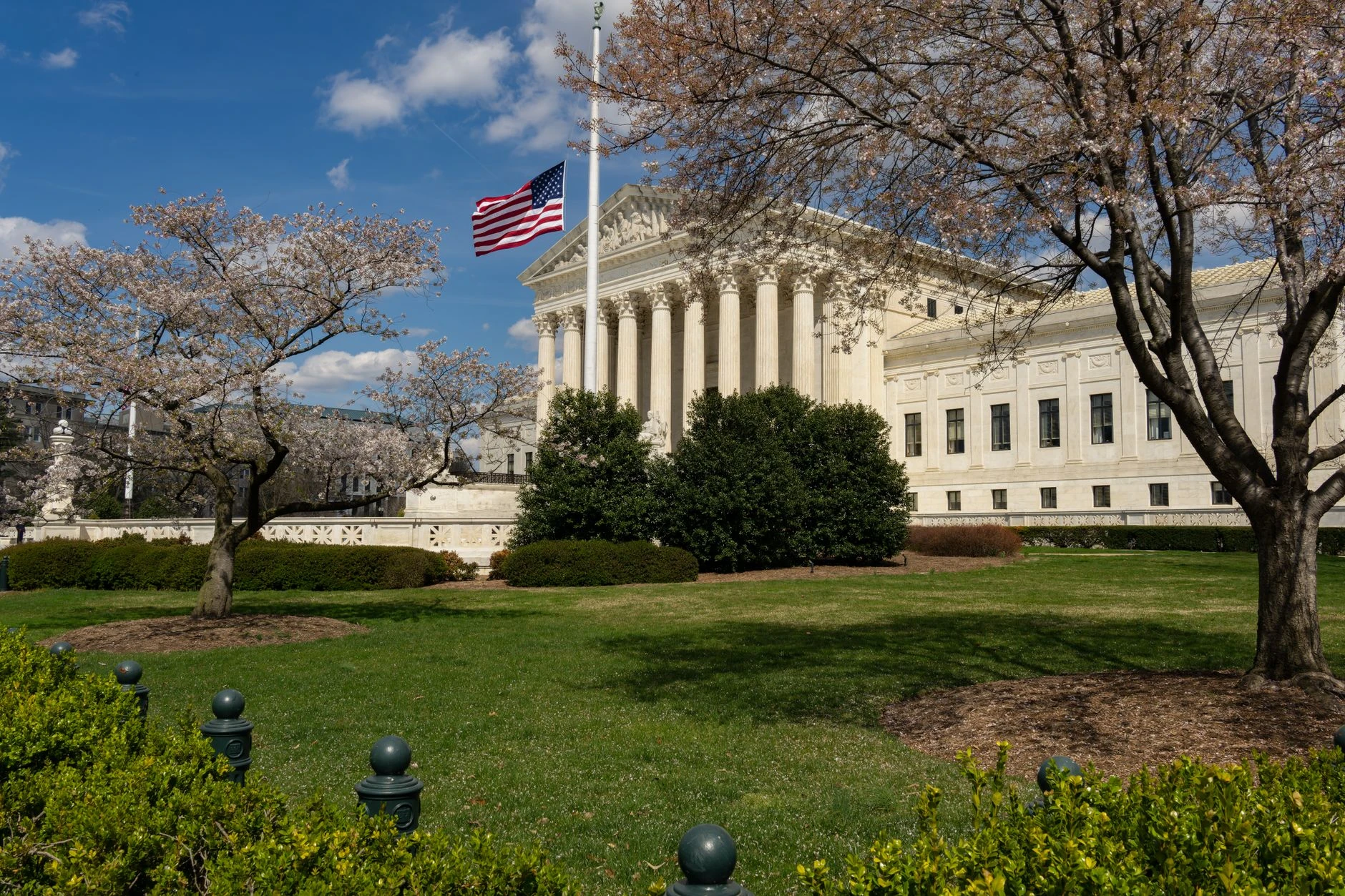
Even as the political fight intensifies, the federal machinery remains in place. IDEA Section 618 data and other special education datasets were still housed on the Education Department’s website as of April 2026. That shows how much of the system still runs through Education, and why any move to HHS would require not just a slogan about reform but a workable plan for enforcement, accountability and the rights of disabled students.
Sources
- [1]nytimes.com
- [2]ed.gov
- [3]nces.ed.gov
- [4]whitehouse.gov
- [5]hhs.gov
- [6]copaa.org
- [7]ctmirror.org
- [8]aclu.org
- [9]ncld.org