World
Afghan women turn to business as Taliban curbs work and travel
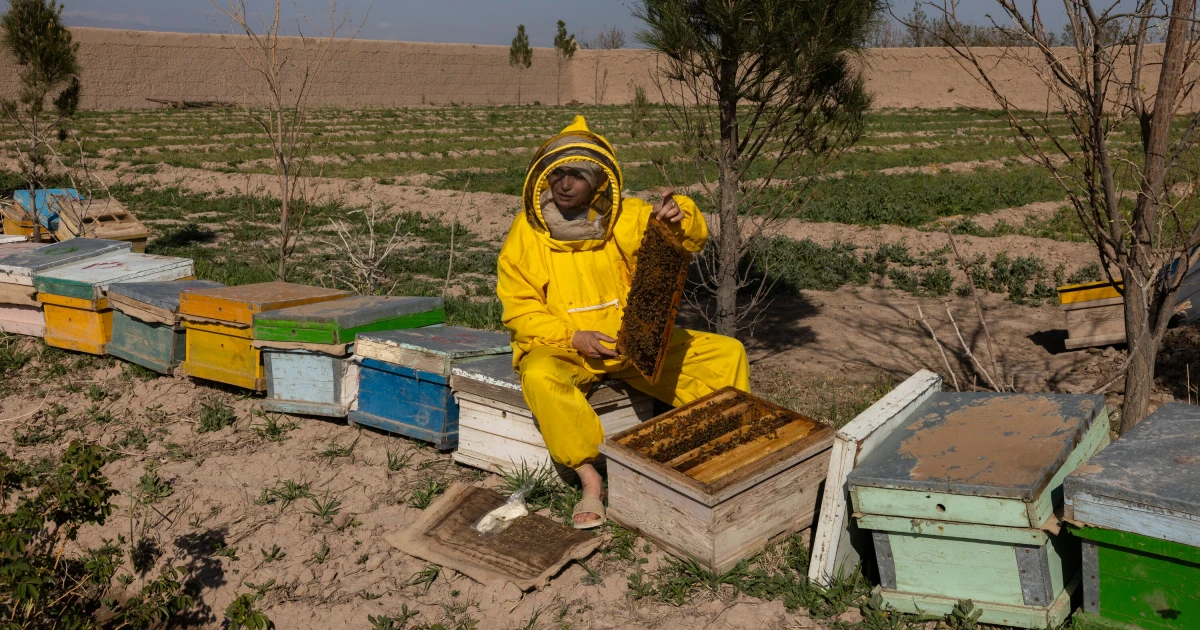
Afghan women are turning to business as one of the few remaining ways to earn money and stay visible in public life. With secondary education and most jobs out of reach, thousands have turned to entrepreneurship not as a clean path to empowerment, but as constrained resistance inside a system built to exclude them.
Entrepreneurship as survival
The shift is happening because the wider labor market has collapsed for women. Before the Taliban returned to power in August 2021, female labor-force participation in Afghanistan stood at 19 percent. UNDP says that picture deteriorated quickly, with women’s household employment falling from 11 percent to 6 percent between 2022 and 2023, while formal employment for women continued to decline in 2024.
That makes business more than a side hustle. UNDP says 80 percent of women-led enterprises depend on business revenues as their primary source of income, and many of those enterprises also create jobs for other women. In that sense, the business sector has become a fragile safety net, helping households stay afloat when schools, offices, and many forms of paid work are closed off or made unreachable.
A shrinking legal space
The market is not simply weak. It is actively constrained by policy. The World Bank’s Women, Business and the Law materials say Afghanistan imposes major legal restrictions on women’s freedom of movement, their right to work, and women’s ability to start and run a business. UN Women says more than 70 decrees have restricted women’s rights since the Taliban takeover, and it describes Afghanistan as the world’s most severe women’s rights crisis.
The Taliban’s 2024 vice and virtue law and related restrictions have narrowed women’s public lives even further. For women entrepreneurs, that means business decisions are never only commercial. Every transaction can become a legal and social calculation about what is allowed, what may trigger scrutiny, and how much visibility is too much.
Debt replaces capital
The financial burden is one of the clearest signs that these businesses are operating without a real support system. In a UNDP survey of more than 3,000 women entrepreneurs, 41 percent said they had gone into debt. Only 5 percent had received loans from banks or microfinance institutions, leaving most women to rely on their own savings, family support, or informal borrowing.
That gap matters because lack of credit turns even modest expansion into a risk. A woman trying to buy inventory, rent space, or expand a home-based operation may have no access to formal lending at all, while the same business is still expected to generate income, meet household needs, and absorb the effects of inflation, insecurity, and falling demand. In that environment, entrepreneurship can keep a family going, but it rarely provides the cushion that a stable financial system would offer.
Mobility is the choke point
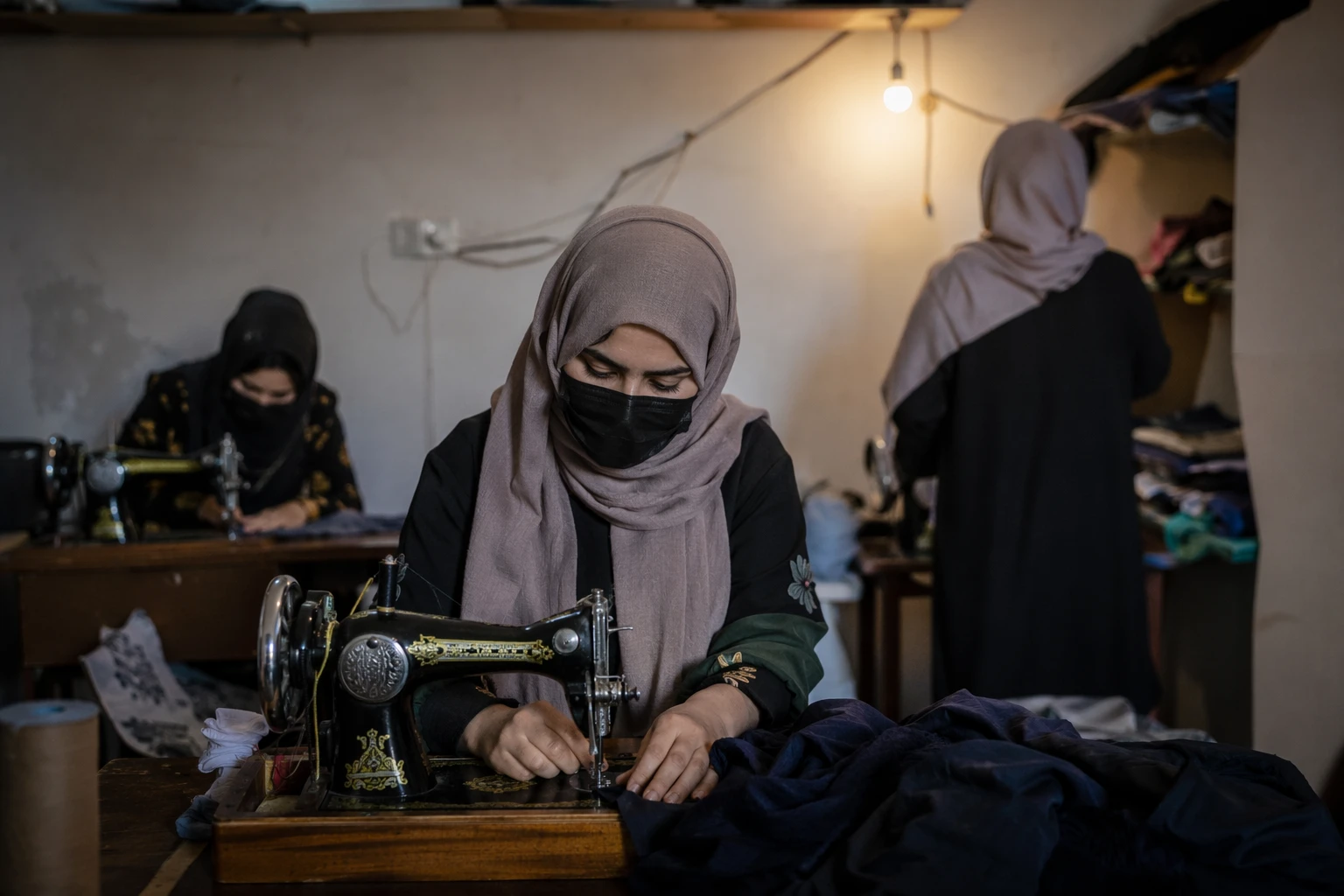
If capital is scarce, movement is scarcer. UNDP found that 73 percent of surveyed women entrepreneurs said they could not travel even to local markets without a mahram, a male escort. That restriction does more than limit errands. It shapes where women can source goods, where they can sell, who can meet customers, and whether they can attend training or pursue export opportunities.
UNDP and UN Women say women are still trying. In provinces such as Parwan and Herat, Afghan women continue to lead businesses, seek training, and look for export opportunities despite the rules around them. But that persistence is occurring inside a tightly fenced public sphere. When a woman cannot easily reach a market, the geography of business shrinks around her, and so does the chance to scale beyond a local customer base.
What business can, and cannot, solve
The appeal of entrepreneurship is clear. It can bring cash into the home, create a limited network of support, and give women a way to remain connected to others when public life has been stripped away. The New York Times reported that many women see it not only as a source of income but also as a way to maintain a social life that the broader system denies them.
Still, the trade-offs are severe. Business cannot replace formal rights, free movement, or access to education. It cannot by itself undo a legal order that makes women’s labor conditional, their travel restricted, and their access to capital minimal. What it can do is buy time, preserve some autonomy, and keep households from sliding further into crisis.
A harsher outlook ahead
The pressure is not easing. In 2025 and 2026, UN and aid groups warned that funding cuts, forced returns of refugees, and tighter enforcement of Taliban edicts are compounding the strain on women-led livelihoods. That combination leaves fewer buyers, fewer routes to market, and fewer outside supports for businesses already operating on the edge.
UN Women says Afghan women continue to show resilience as frontline workers, entrepreneurs, and advocates. But resilience is not the same as freedom. For many women, business is now a narrow corridor through exclusion, a way to survive under constraint rather than a sign that the constraint has ended.
Sources
- [1]news.google.com
- [2]nytimes.com
- [3]undp.org
- [4]unwomen.org
- [5]news.un.org
- [6]wbl.worldbank.org
- [7]asiapacific.unwomen.org