Health
Afghanistan child malnutrition surges as aid cuts force clinics shut
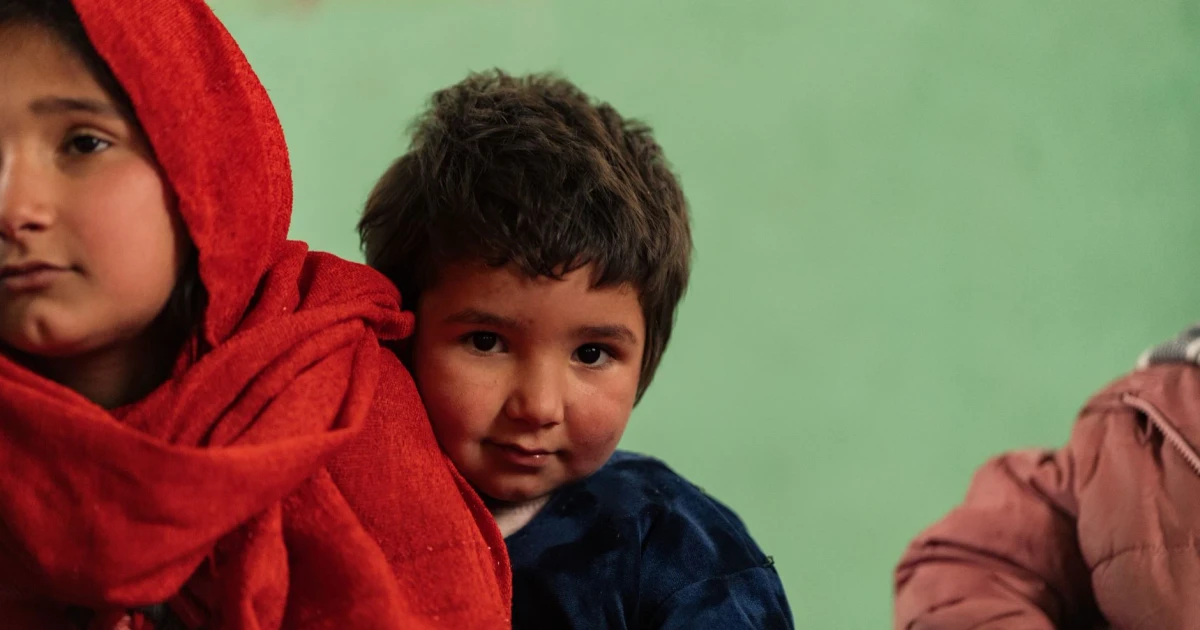
In March, Save the Children suspended lifesaving programmes for malnourished children in northern Afghanistan. Aid cuts are forcing clinics to turn families away, and child malnutrition is surging as funding collapses. The collapse in funding is stripping food aid and treatment from children already living through poverty, unemployment and repeated shocks.
In June, Save the Children estimated that about one in five children in Afghanistan could face crisis levels of hunger before October because funding cuts were reducing the amount of food aid available for families.

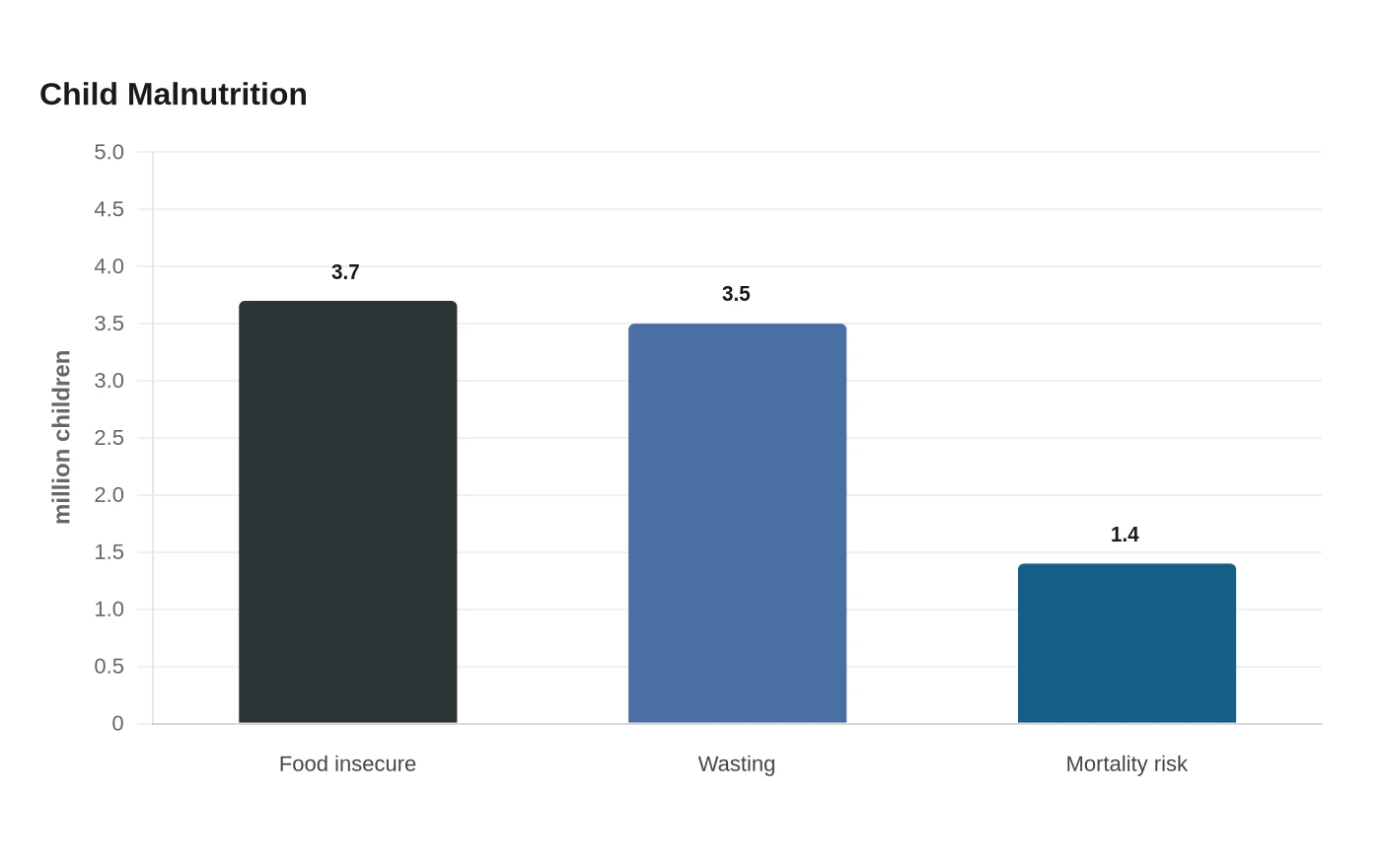
UNICEF estimates at least 14 million children globally could face disruptions to critical nutrition services in 2025 because of funding cuts. In Afghanistan, nearly half of children experience moderate or severe food insecurity, equal to about 3.7 million children, UNICEF estimates. UNICEF estimates 3.5 million young children in the country were suffering from wasting as of 2025, and 1.4 million of them were at higher risk of mortality.
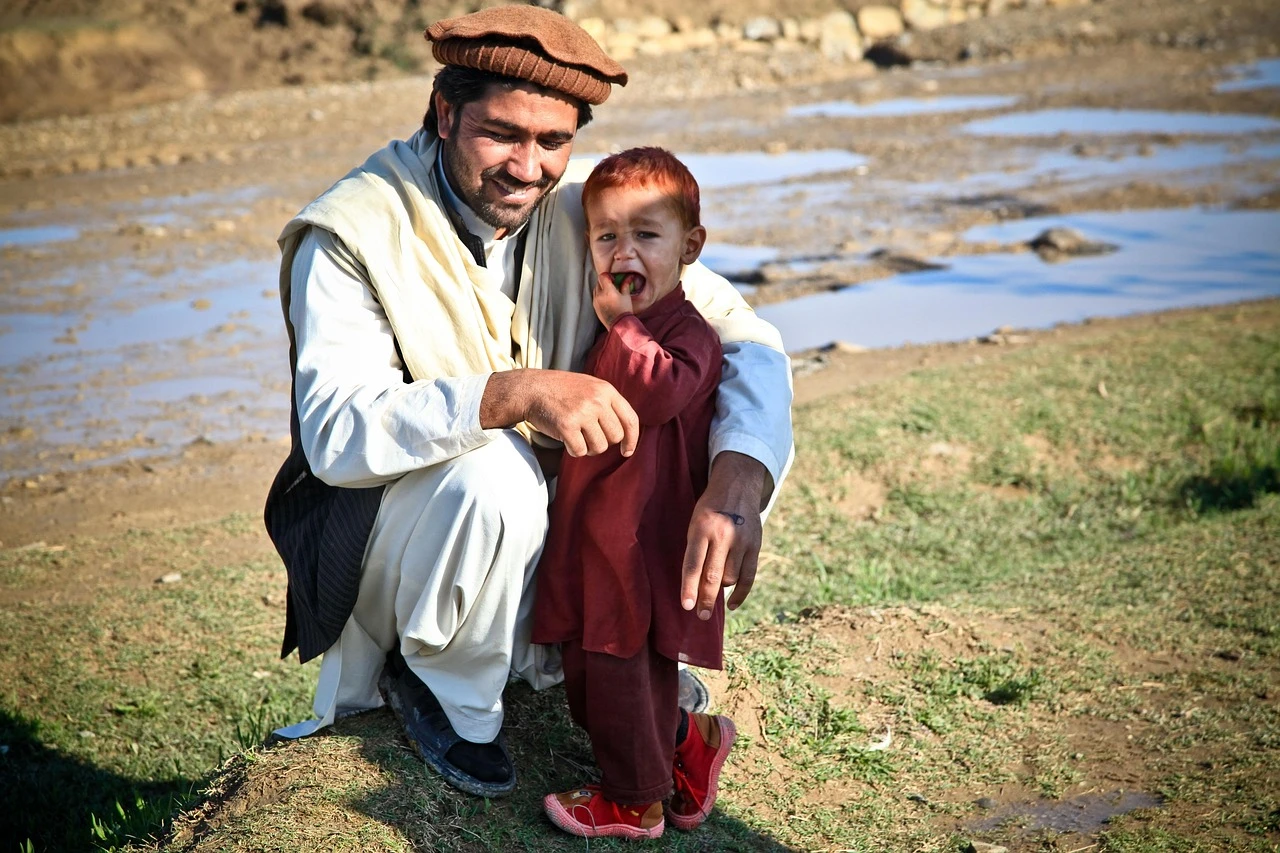
WFP emergency figures show 17.4 million people require urgent food assistance, while 4.9 million women and children are expected to need treatment for malnutrition. US$350 million is urgently needed for WFP Afghanistan operations through October 2026. UNICEF’s 2026 humanitarian overview puts the number of people in Afghanistan needing assistance at 21.9 million and the number of children at heightened risk of malnutrition at 3.7 million.
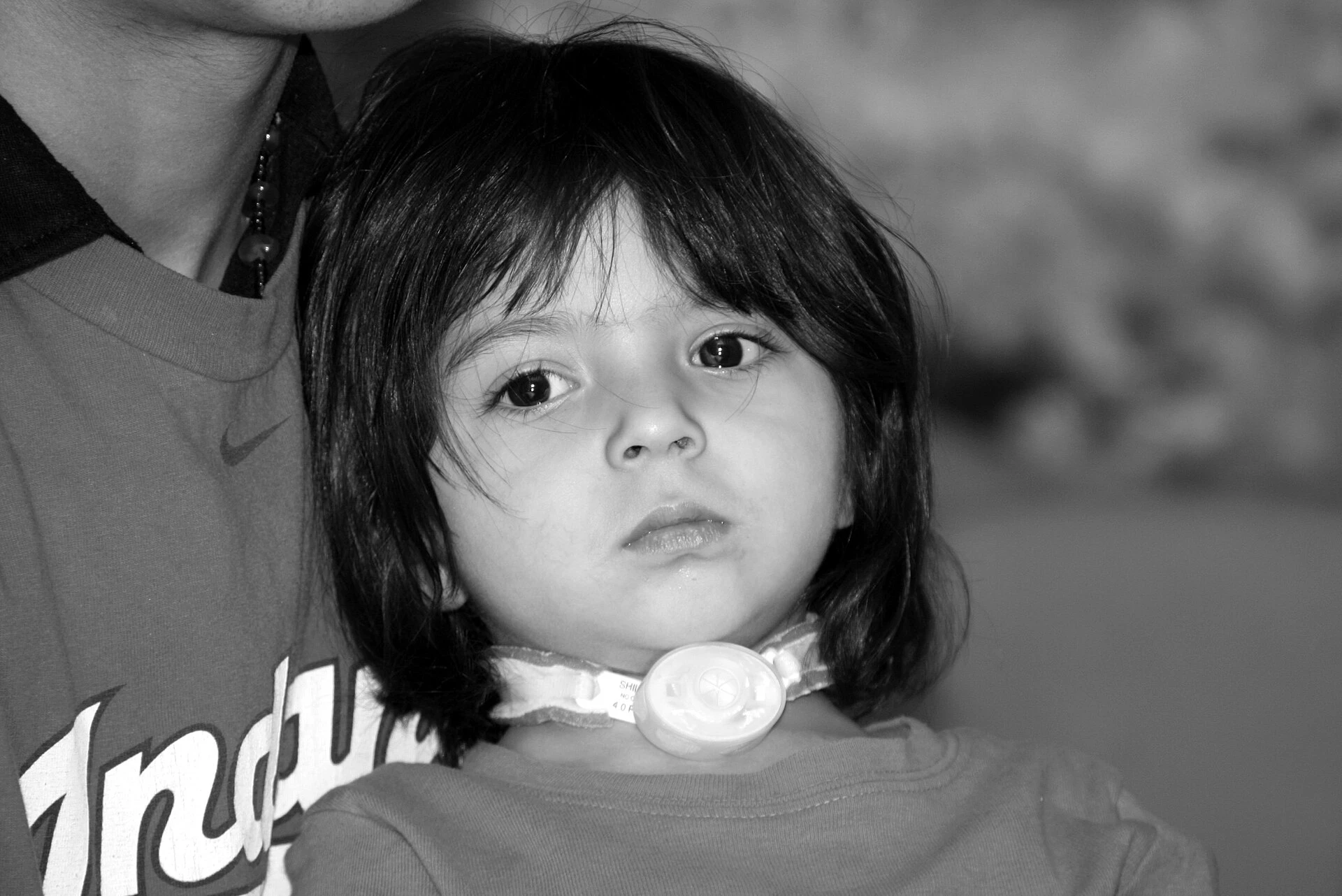
When clinics run short of therapeutic food and other essential supplies, children can lose weight rapidly and become far more vulnerable to common illnesses. Malnutrition can also stunt growth, weaken immune systems and delay development, making the effects harder to reverse even after food returns. In Afghanistan, where many communities depend on outside humanitarian support to cover a fragile local economy and an overstretched health system, aid cuts can quickly close the gap between a child being screened and a child being turned away.
UNICEF and WFP have launched a joint action plan to stop child wasting in Afghanistan, focusing on prevention and maternal nutrition. In January 2023, UN agencies called for urgent action to protect children in 15 countries hit by an unprecedented food and nutrition crisis.
Sources
- [1]reuters.com
- [2]savethechildren.net
- [3]savethechildren.org
- [4]unicef.org
- [5]wfp.org
- [6]news.un.org