Science
African Space Ambitions Grow Amid NASA’s Artemis II Preparations
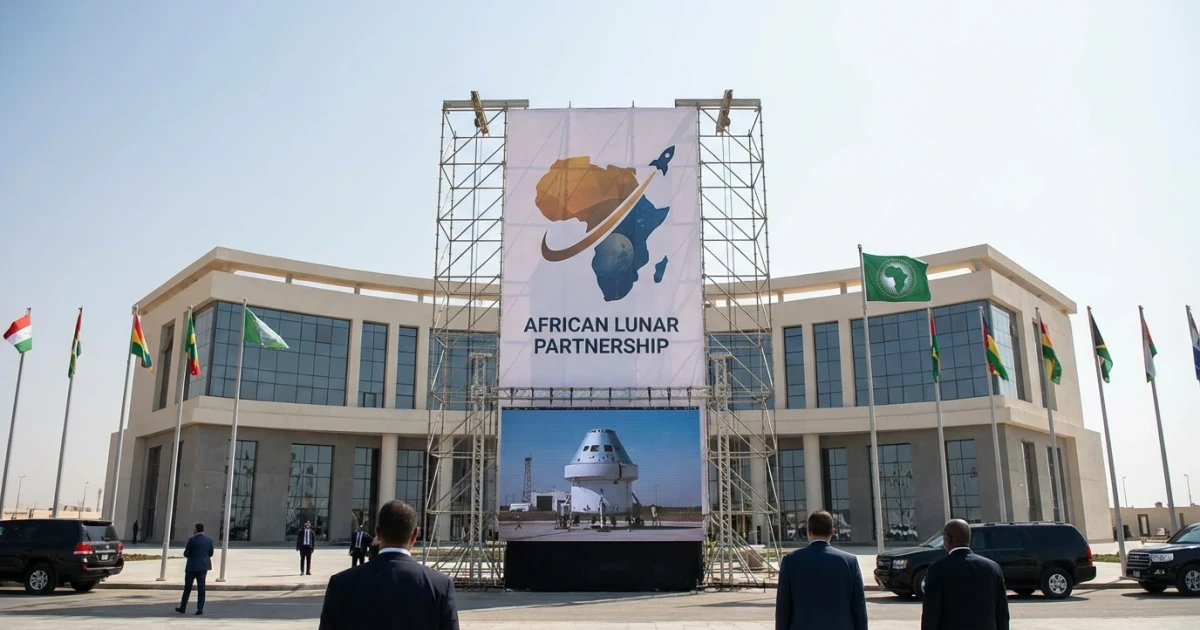
African nations are intensifying their focus on space exploration as NASA readies its highly anticipated Artemis II mission to the moon. This rising interest across Africa signals the continent’s determination to participate in the global lunar race, leveraging new technologies, partnerships, and a growing cohort of national space agencies.
Growing African Space Programs
In recent years, several African countries have established or expanded their space programs, launching satellites and investing in research and education to strengthen their presence in the sector. According to a 2023 statistical overview, at least 13 African nations have active space initiatives, with Nigeria, South Africa, Egypt, Algeria, and Morocco leading in government-backed projects and satellite launches.
- Nigeria and South Africa both operate national space agencies and have launched multiple satellites for earth observation, communication, and research purposes.
- Egypt has ramped up its investments, including the recent launch of satellites for climate monitoring and data collection.
- Ghana, Kenya, and Rwanda are increasingly active, focusing on capacity-building and international partnerships.
Lunar Ambitions and International Collaboration
While most African space activities have centered on satellite technologies and earth observation, there is a growing aspiration to participate in lunar missions and deep space research. The Africa Space Policy and Strategy, endorsed by the African Union, outlines objectives for advancing space science, expanding infrastructure, and engaging in international collaborations. This policy framework underlines Africa’s intention to be part of global lunar exploration efforts.
As NASA prepares for the Artemis II mission—the first crewed mission to orbit the moon in over 50 years—African agencies are seeking ways to contribute expertise as well as benefit from technology transfer and training opportunities. According to analysis from the African Space Industry Annual Report 2023, pan-African cooperation and partnerships with organizations like NASA, the European Space Agency, and private industry are seen as crucial for building the continent’s lunar capabilities.
Investments and Challenges
Investments in Africa’s space industry have grown steadily, with the sector valued at over $500 million in 2023 and expected to continue expanding. Funding is directed toward satellite development, educational programs, and the establishment of ground infrastructure. However, challenges remain:
- Resource constraints: Many African nations face limited budgets for advanced space activities.
- Technical capacity: There is an ongoing need for specialized training and research expertise in deep space technologies.
- Policy harmonization: Efforts are underway to coordinate national space policies under the African Union’s continental strategy, fostering shared goals and resources.
The Road Ahead: Africa in the Lunar Race
Although no African nation is yet planning a crewed lunar mission, the continent’s growing capabilities and strategic partnerships position it to play a meaningful role in the next phase of human space exploration. Participation in lunar science, satellite-based support for Artemis missions, and joint research initiatives are among the most likely avenues for African involvement as the Artemis program evolves.
As the world’s attention turns to NASA’s Artemis II mission, the momentum behind Africa’s space aspirations is clear. With continued investment, education, and international collaboration, Africa’s role in the global space community—and eventually the lunar race—is set to deepen in the coming years.