Business
After TikTok Deal, Chinese Tech Giants Rethink Global Ambitions
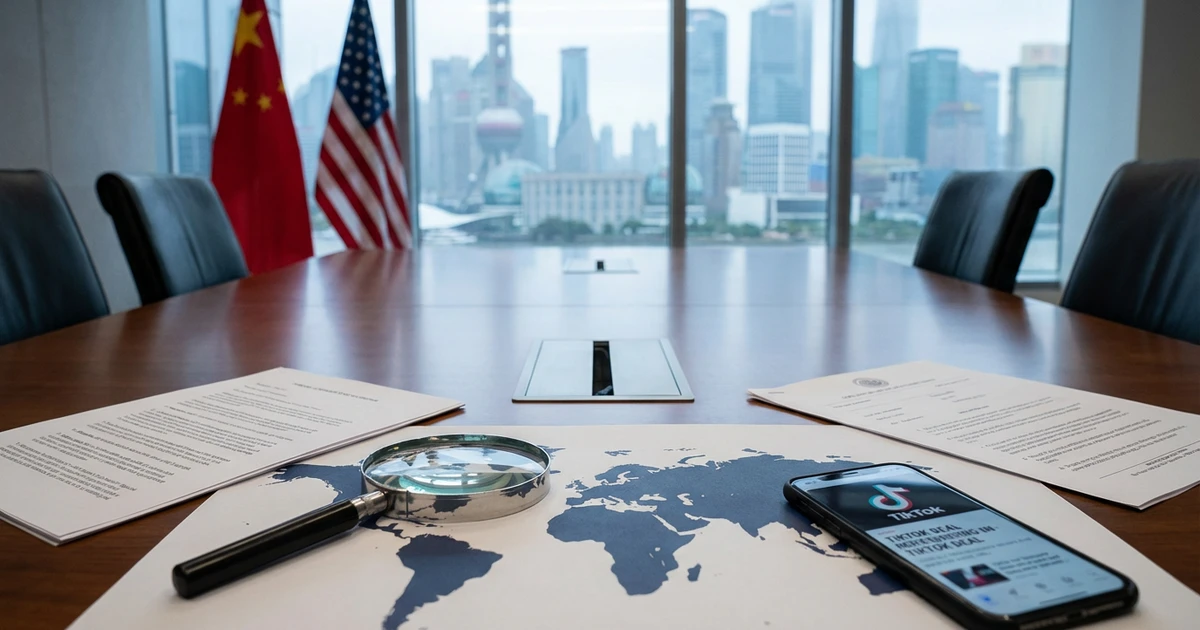
Chinese technology companies are facing a pivotal moment on the world stage after TikTok’s recent deal with U.S. authorities, prompting a widespread reassessment of global ambitions and operational strategies. The high-profile agreement—which sees TikTok creating a new U.S. entity and loosening its ties to China—has become a bellwether for how Chinese firms may navigate tightening scrutiny in international markets.
TikTok’s Pivotal Deal: Reshaping Global Tech Relations
The TikTok deal marks a significant shift for one of the world’s most influential social media platforms. By agreeing to establish a new U.S.-based entity and reduce direct links to its Chinese parent company, ByteDance, TikTok aims to address mounting concerns over data privacy and national security voiced by U.S. regulators. This model could serve as a template for other Chinese tech firms seeking to sustain their global footprint while navigating regulatory hurdles.
- TikTok’s user base in the U.S. numbers in the tens of millions, making its operational structure a matter of international interest.
- The deal’s terms include the establishment of independent oversight and new data protocols to reassure both U.S. lawmakers and the public.
New Challenges for Chinese Tech Companies
Following TikTok’s lead, other major Chinese companies are actively exploring alternative strategies for expansion and compliance. The heightened scrutiny extends beyond the U.S., as European and Asian regulators adopt similar stances on foreign technology ownership and data security.
- Chinese firms are considering localizing data storage and establishing regional subsidiaries to address legal and political concerns.
- Several companies are weighing the costs and benefits of partnering with local entities to retain market access.
Shifting Global Landscape for Chinese Innovation
As China’s technology giants recalibrate, the broader landscape of international tech competition is also changing. Market analysts suggest that the TikTok deal may set a precedent, encouraging other nations to push for similar arrangements as a condition for market entry.
This evolving environment is shaping the next phase of globalization for Chinese companies, as they seek innovative ways to remain competitive while respecting national boundaries and regulations. The emphasis on compliance, transparency, and localized operations is expected to define future strategies in the sector.
Looking Ahead: A Test Case for Global Tech Integration
The TikTok agreement underscores the delicate balance between fostering international collaboration and protecting national interests. As Chinese firms chart this new course, the success—or failure—of TikTok’s U.S. strategy will likely influence the decisions of both regulators and industry leaders worldwide.
In summary, the TikTok deal is more than a single company’s response to political pressure; it is a signal of how global technology dynamics are being reshaped by geopolitics and evolving regulatory expectations. The coming months will reveal whether this approach can serve as a sustainable model for Chinese companies and their global ambitions.