Technology
AI Adoption Expands Among U.S. Small Businesses
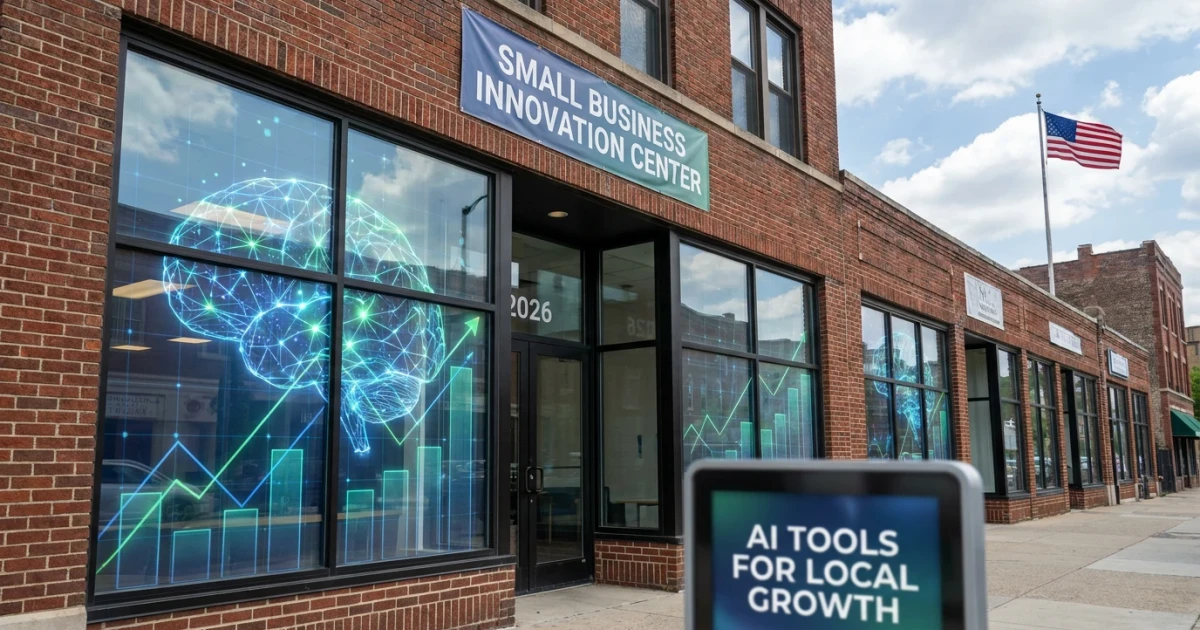
Artificial intelligence (AI) is increasingly becoming a cornerstone for American small businesses, helping them streamline operations, improve customer engagement, and compete more effectively in a digital-first economy. As highlighted by the Information Technology Industry Council (ITI), the adoption of AI technologies is unlocking new opportunities and presenting fresh challenges for entrepreneurs across the country.
AI Drives Efficiency and Growth
Small businesses are rapidly integrating AI solutions to automate tasks, analyze data, and personalize customer interactions. According to the 2023 Small Business Economic Profile, there are over 33 million small businesses in the U.S., collectively accounting for nearly 44% of economic activity. As digital tools become more accessible, AI is allowing these businesses to:
- Automate routine processes such as inventory management, scheduling, and bookkeeping
- Improve marketing effectiveness through targeted campaigns and predictive analytics
- Enhance customer service with AI-powered chatbots and recommendation engines
- Make faster, data-driven decisions that reduce costs and unlock new revenue streams
ITI reports that AI adoption among small businesses is rapidly growing, with firms increasingly relying on platforms and tools that simplify implementation. These technologies often leverage frameworks such as Hugging Face Transformers for natural language processing and ONNX Runtime for accelerated AI inference, making advanced capabilities available even to companies with limited technical resources.
Access and Barriers to Entry
While the benefits of AI are clear, many small businesses face challenges related to cost, expertise, and integration. According to ITI, cloud-based solutions and open-source platforms are helping lower these barriers, enabling businesses to access AI tools without significant upfront investment. In addition, organizations such as the U.S. Small Business Administration are promoting digital transformation by providing guidance and resources on AI adoption.
However, concerns persist around data privacy, ethical use, and regulatory compliance. The NIST AI Risk Management Framework offers best practices that help small businesses manage these risks, encouraging responsible deployment of AI systems. As AI becomes more embedded in daily operations, companies must stay informed about evolving standards and regulations, including those issued by the Federal Communications Commission.
Industry Applications and Success Stories
ITI emphasizes that AI is impacting a wide range of sectors:
- Retail: AI-driven inventory tracking and personalized product recommendations
- Healthcare: Automated appointment scheduling and patient communications
- Manufacturing: Predictive maintenance and quality control powered by machine learning
- Professional services: Enhanced accounting, legal research, and client management
Small businesses that embrace AI often report increased productivity and improved competitiveness. As noted in Statista’s Artificial Intelligence in Small Businesses in the U.S. dataset, nearly 30% of small firms have implemented some form of AI, with adoption expected to accelerate as more solutions become affordable and user-friendly.
Driving Innovation Forward
ITI points out that ongoing research from organizations such as OpenAI is expanding the practical uses of AI, with new models enabling better automation, decision-making, and customer engagement. As small businesses tap into these advances, they are better positioned to weather economic challenges and seize new growth opportunities.
Looking Ahead
AI’s role in American small business is poised to grow, with digital tools offering unprecedented advantages for efficiency, innovation, and market reach. While challenges remain around access, ethics, and regulation, ITI’s analysis underscores the transformative potential of AI for entrepreneurs nationwide. As adoption continues, small businesses will need to invest in training, risk management, and strategic partnerships to fully realize the benefits of AI-driven solutions.