World
AI-altered bird photos on forums threaten research data
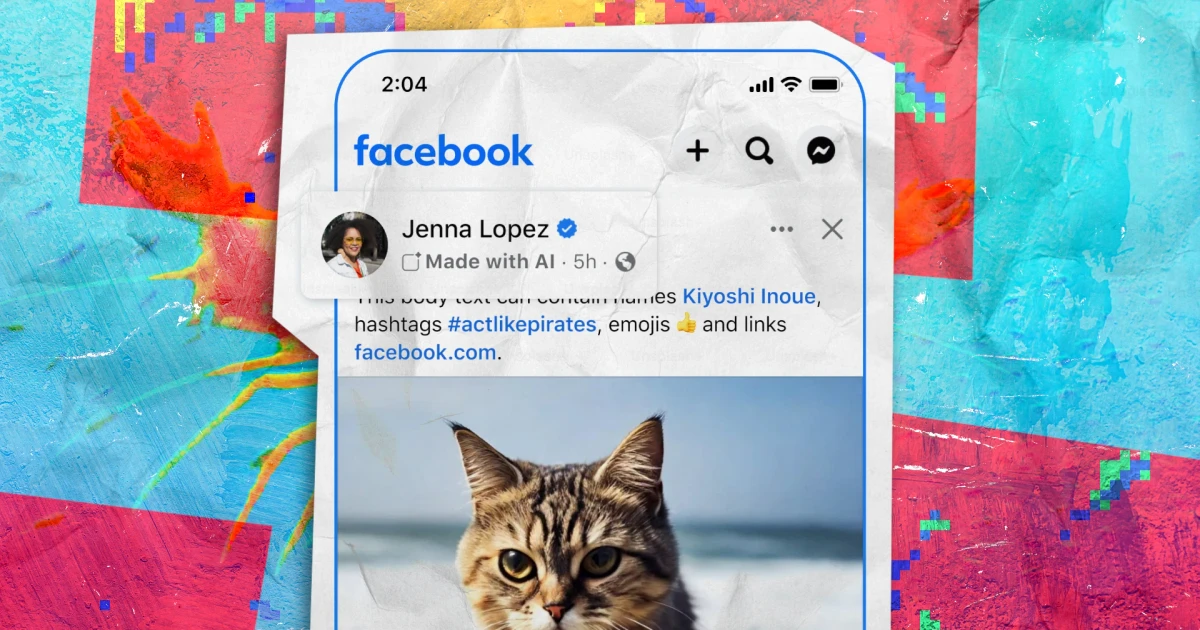
Facebook and Instagram moved on 5 April 2024 to label digitally altered content as “made with AI,” a sign that synthetic images had already become hard to separate from real photographs online. That problem now reaches birdwatching forums, where a single altered image can be entered as a sighting, copied by other users and folded into the records scientists use to track species and movement.
The risk is not abstract. Birdwatching communities depend on photographs to verify rare birds, confirm locations and build citizen-science datasets that feed research and conservation decisions. If an AI-generated gull, warbler or raptor is accepted as genuine, it can distort identification threads, mislead moderators and skew the kind of crowd-sourced observations that help map migration patterns and population changes.
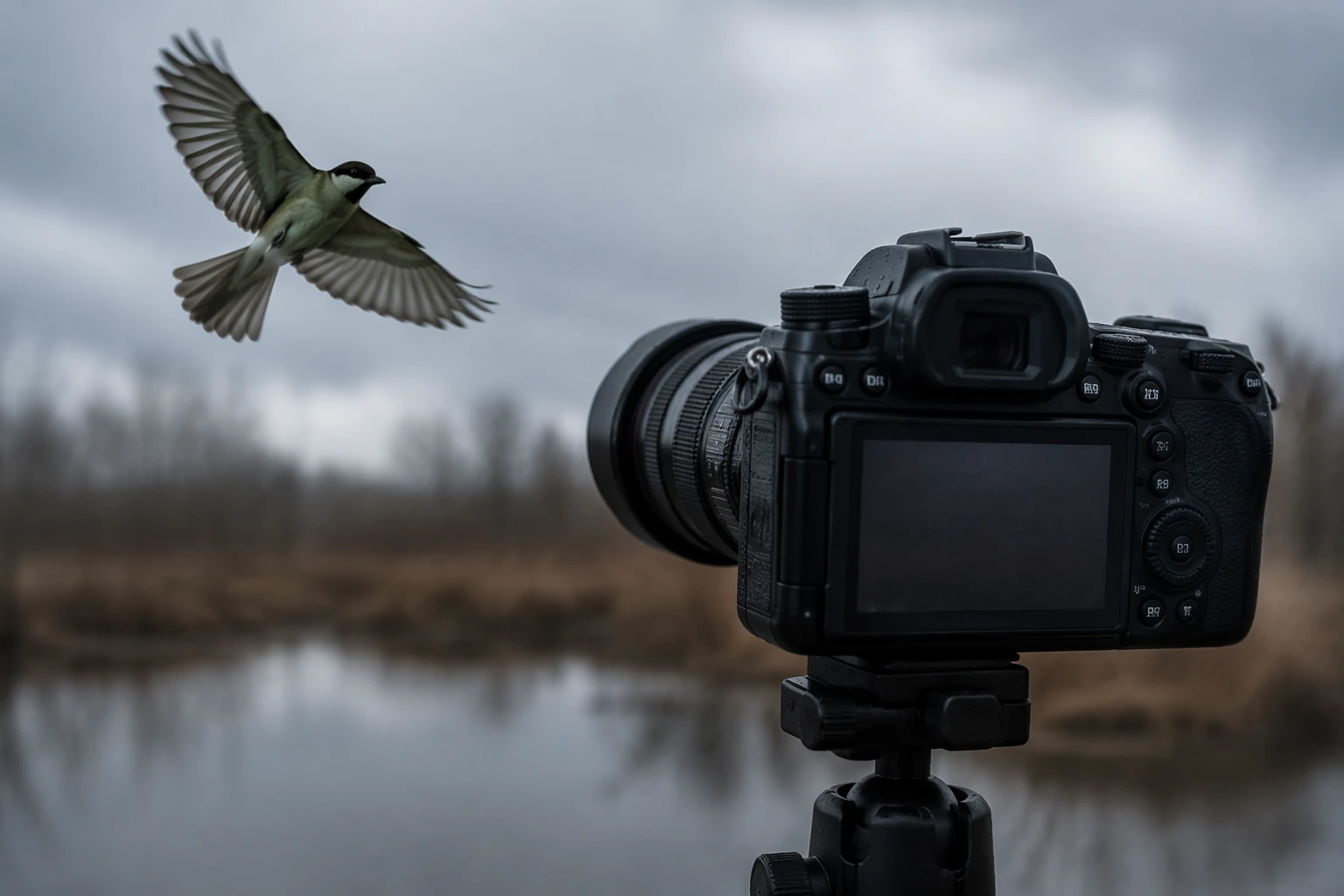
The concern has become visible inside birding itself. British Birds has published work titled “AI-generated images and their impact on birding,” reflecting a community already wrestling with how to distinguish real field records from synthetic evidence. In a hobby built on close observation, the pressure now falls on the image itself: whether plumage, light, posture and background all hold up under scrutiny, or whether the photo has been assembled to look plausible rather than truthful.
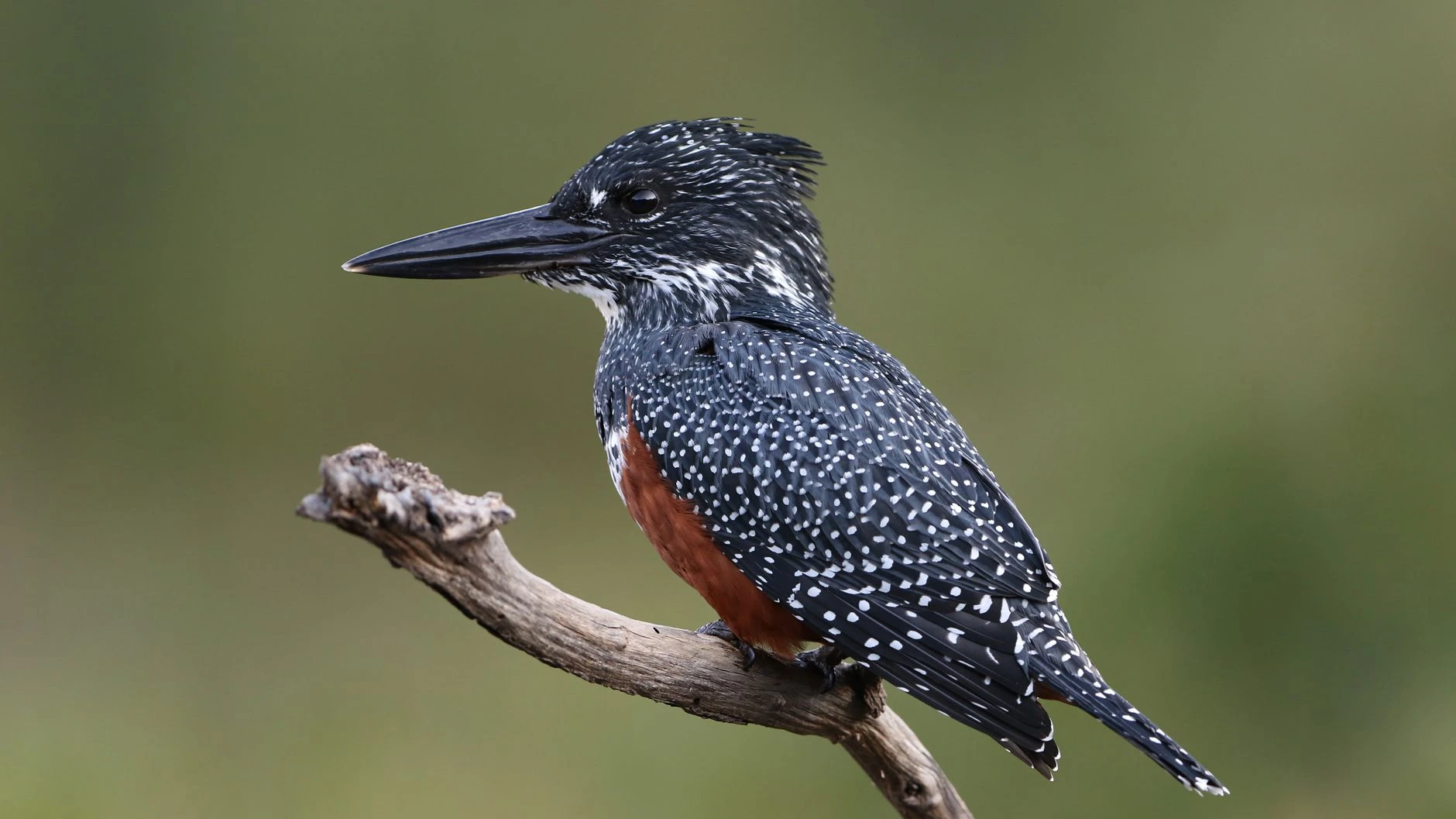
That mistrust has broader consequences for conservation. A separate Guardian environment story in September 2024 warned that social media can put rare wildlife at risk, using capercaillie as an example of how online attention can spill into real-world harm. The same dynamic applies in birding forums: once a fabricated image circulates, it can send observers to the wrong place, generate false excitement around a species that is not there, and add noise to databases built on trust.
The issue is spreading across the wider online ecosystem as platforms, moderators and researchers try to keep up with manipulated material. Birdwatching pages in June 2026 were still full of real-world reporting, including a Galápagos gull feature and another item on an elusive gull drifting thousands of kilometres off course to Australia, but synthetic posts can now sit beside those genuine records with little visible difference. That leaves verification tools, moderator checks and expert review as the last line between a true sighting and data that could send research astray.