Business
AI Arms Race Intensifies as Nations Seek Technological Edge
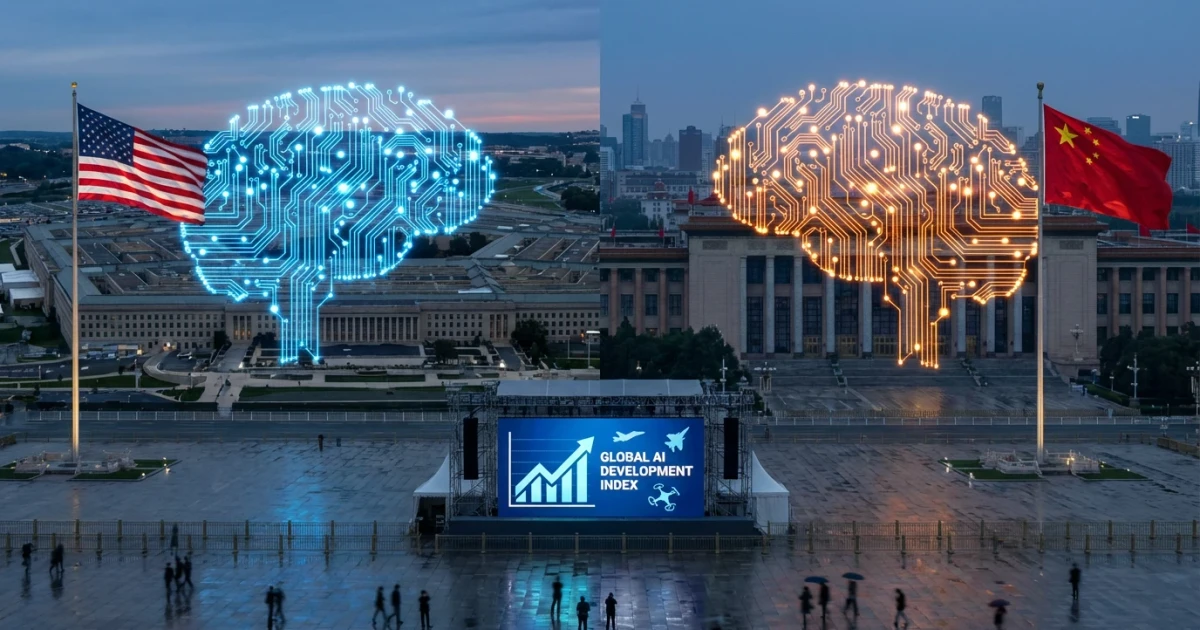
Global competition to develop and deploy artificial intelligence (AI) in military applications is intensifying, with major powers racing to secure strategic advantages. The contest between the United States and China, in particular, is reshaping military procurement, international trade, and arms control efforts, raising significant geopolitical and ethical questions.
The Stakes: From Algorithms to Autonomous Weapons
The New York Times recently highlighted how AI has become a central element in the pursuit of national security, with advanced algorithms now driving everything from surveillance systems to autonomous weapons. This technological shift has elevated AI chips and software to the heart of global power competition, as countries seek to outpace rivals in both offensive and defensive military capabilities.
- Defense spending on AI-enabled systems is projected to increase substantially, with AI in defense estimated to be a multibillion-dollar market by the late 2020s.
- The development of autonomous weapons has triggered debates about accountability and escalation risks in future conflicts.
U.S.-China Rivalry: Technology at the Center
Competition between the United States and China is especially fierce in the field of AI chips—crucial hardware for training and deploying advanced machine learning systems. The New York Times emphasized that these chips are not only vital for commercial innovation but also serve as the foundation for next-generation military platforms, intelligence analysis, and cyber operations.
To curb China's access to cutting-edge technology, the Biden administration has implemented a series of export controls on advanced computing and semiconductor manufacturing items. These measures aim to protect U.S. national security interests, but have also disrupted global supply chains and prompted countermeasures from Beijing.
- According to the SIPRI Arms Transfers Database, both countries are investing heavily in AI-enhanced weapons and cyber capabilities.
- China’s national strategy emphasizes AI as a "core technology," with plans to become the world leader in AI by 2030, as detailed in OECD AI policy reports.
Broader International Impact
The AI arms race is not limited to the U.S. and China. Other countries are also accelerating their AI research programs and forging new alliances to avoid strategic disadvantages. As reported by several analyses, including the United Nations Institute for Disarmament Research (UNIDIR), this global competition has prompted concerns over proliferation, accountability, and the risk of accidental escalation.
Efforts to establish guidelines for the use of AI in military contexts are ongoing, but progress remains slow. The complexity of regulating dual-use technologies—those with both civilian and military applications—compounds the challenge, as does the rapid pace of innovation.
Ethical, Strategic, and Regulatory Challenges
Experts warn that the increasing autonomy of weapons and decision-making systems could undermine traditional deterrence dynamics. The notion of "mutually automated destruction," as described by The New York Times, encapsulates the fear that AI could enable faster, less predictable escalation in the event of a crisis.
- International organizations and think tanks, such as the Center for Strategic & International Studies (CSIS), have called for new arms control frameworks to address the unique risks posed by military AI.
- Current AI-related export control regulations are being updated regularly, but enforcement remains a key question.
Looking Ahead
With no sign of slowing, the AI arms race is likely to remain a central issue in global security for years to come. Policymakers, industry leaders, and civil society are all grappling with how to balance the pursuit of technological advantage with the need to prevent destabilizing military competition. As AI capabilities continue to evolve, the challenge of maintaining both national security and international stability will only become more acute.