Technology
AI Arms Race Raises Strategic and Ethical Dilemmas
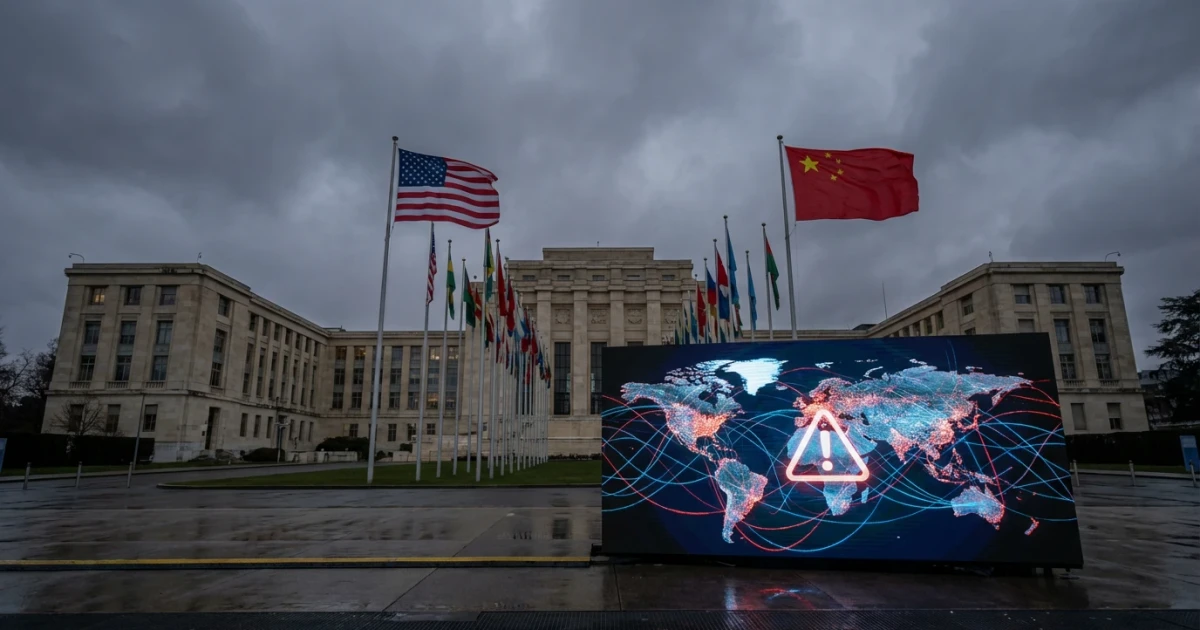
The rapid advancement of artificial intelligence (AI) and autonomous weapons is reshaping military competition between the United States and China, creating new challenges that span ethics, strategy, and global security. The U.S. Naval Institute has highlighted that while AI-enabled systems promise greater battlefield efficiency, they also introduce complex dilemmas for policymakers and military leaders on both sides of the Pacific.
Escalating Competition in Military AI
Both the United States and China are investing heavily in military AI research and development, aiming to gain an edge in autonomous systems, decision-support algorithms, and unmanned weapons platforms. Analysts note that AI's potential to change the speed and character of warfare has become a central concern for national security communities in both countries.
- The U.S. Department of Defense has launched multiple initiatives to integrate AI into weapons systems and command networks.
- China's military modernization plan includes the development of autonomous drones, AI-enabled surveillance, and advanced decision-making tools.
Experts at the U.S. Naval Institute emphasize that this "algorithmic arms race" is not only about technology, but also about how each nation interprets risk, escalation control, and the role of human judgment in warfare.
Ethical Paradoxes and the Human Element
The adoption of autonomous weapons raises profound ethical questions. Both the United States and China face pressure to develop systems that can act faster than human operators, but this speed comes at the cost of diminished oversight. The U.S. Naval Institute article points out that automating the "kill chain" could lead to unintended engagements, civilian casualties, or accidental escalation—outcomes that challenge established norms of warfare.
While the U.S. has articulated principles for responsible AI use in the military, including the requirement for "meaningful human control," some analysts caution that the pressure to keep pace with China could lead to shortcuts in testing and oversight. Conversely, China's official statements emphasize national security priorities and technological leadership, with less public debate about the ethical boundaries of autonomous systems.
The challenge, according to ethicists, lies in reconciling the drive for competitive advantage with the imperatives of international humanitarian law and the moral responsibility to prevent unnecessary suffering.
Strategic Risks and the Stability Dilemma
As autonomous weapons become more sophisticated, the risk of miscalculation grows. The U.S. Naval Institute notes that AI-driven systems may react in unpredictable ways during crises, potentially triggering conflict escalation without direct human intent. This so-called "stability-instability paradox" is amplified when both sides deploy increasingly autonomous systems that operate at machine speed.
- Commanders may face pressure to delegate critical decisions to algorithms to match the adversary's pace.
- The opacity of AI decision-making could make it difficult to attribute or interpret battlefield actions, complicating crisis management and conflict resolution.
- Unintended interactions between autonomous systems raise the possibility of "flash wars"—rapid, unforeseen escalations driven by machine logic rather than deliberate strategy.
These risks have prompted calls for bilateral dialogue, shared norms, and confidence-building measures to prevent accidental war.
International Debate and Calls for Regulation
Globally, the U.S.-China rivalry is sparking discussions about the need for new arms control agreements and the regulation of autonomous weapons. International organizations and experts advocate for transparency, testing standards, and limits on the use of lethal autonomous systems, pointing to the potential for AI-enabled weapons to undermine existing conventions.
Despite these efforts, progress has been slow. Both the U.S. and China have signaled a willingness to participate in multilateral talks, but neither is eager to constrain technologies that could tip the strategic balance.
Looking Ahead
The U.S. Naval Institute concludes that the algorithmic competition between the United States and China will shape the future of warfare for decades to come. How each nation manages the limits of autonomy, ethical standards, and escalation risks will determine not only their own security, but also the stability of the international system.
With the pace of technology accelerating, experts warn that urgent action is needed to establish clear rules of the road, ensure human accountability, and prevent the unintended consequences of autonomous warfare from spiraling out of control.