Business
AI boom drives biggest-ever U.S. natural gas plant construction surge
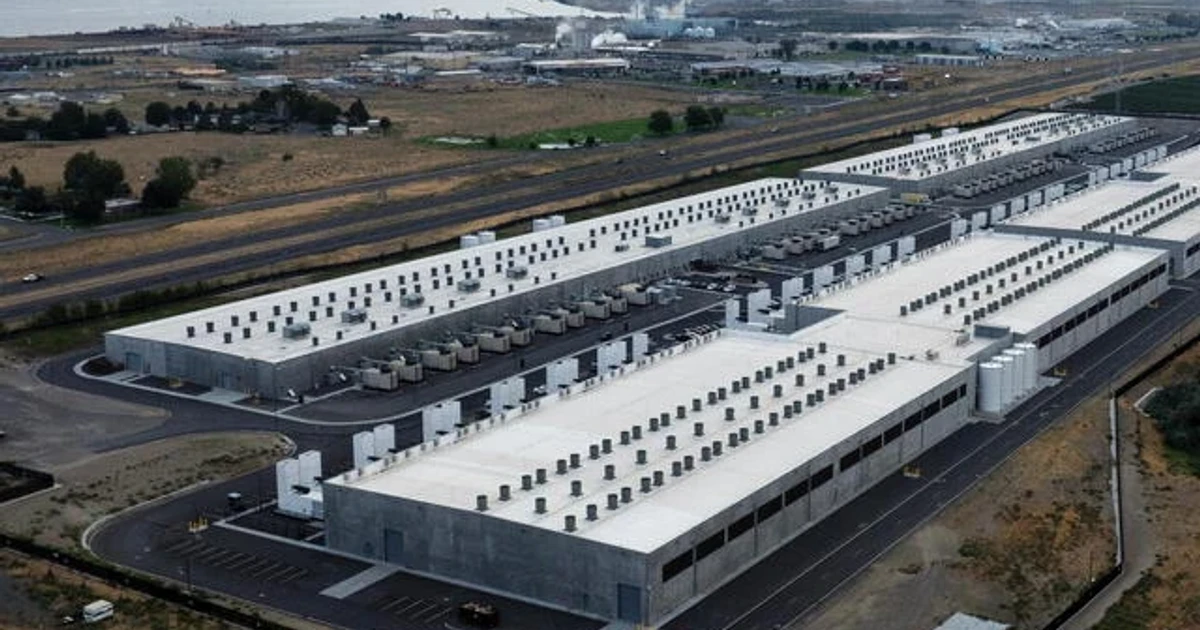
New York lawmakers passed the Responsible Data Center Development Act on June 4, putting a one-year moratorium on permits for new large data centers with peak load above 20 MW.
U.S. electricity use is expected to rise 1% in 2026 and 3% in 2027, the strongest four-year growth period since 2000, the U.S. Energy Information Administration said in January 2026. The Department of Energy puts data-center electricity use at 58 TWh in 2014 and 176 TWh in 2023, and projects 325 TWh to 580 TWh by 2028, while the International Energy Agency said data centers could account for almost half of U.S. electricity-demand growth through 2030.
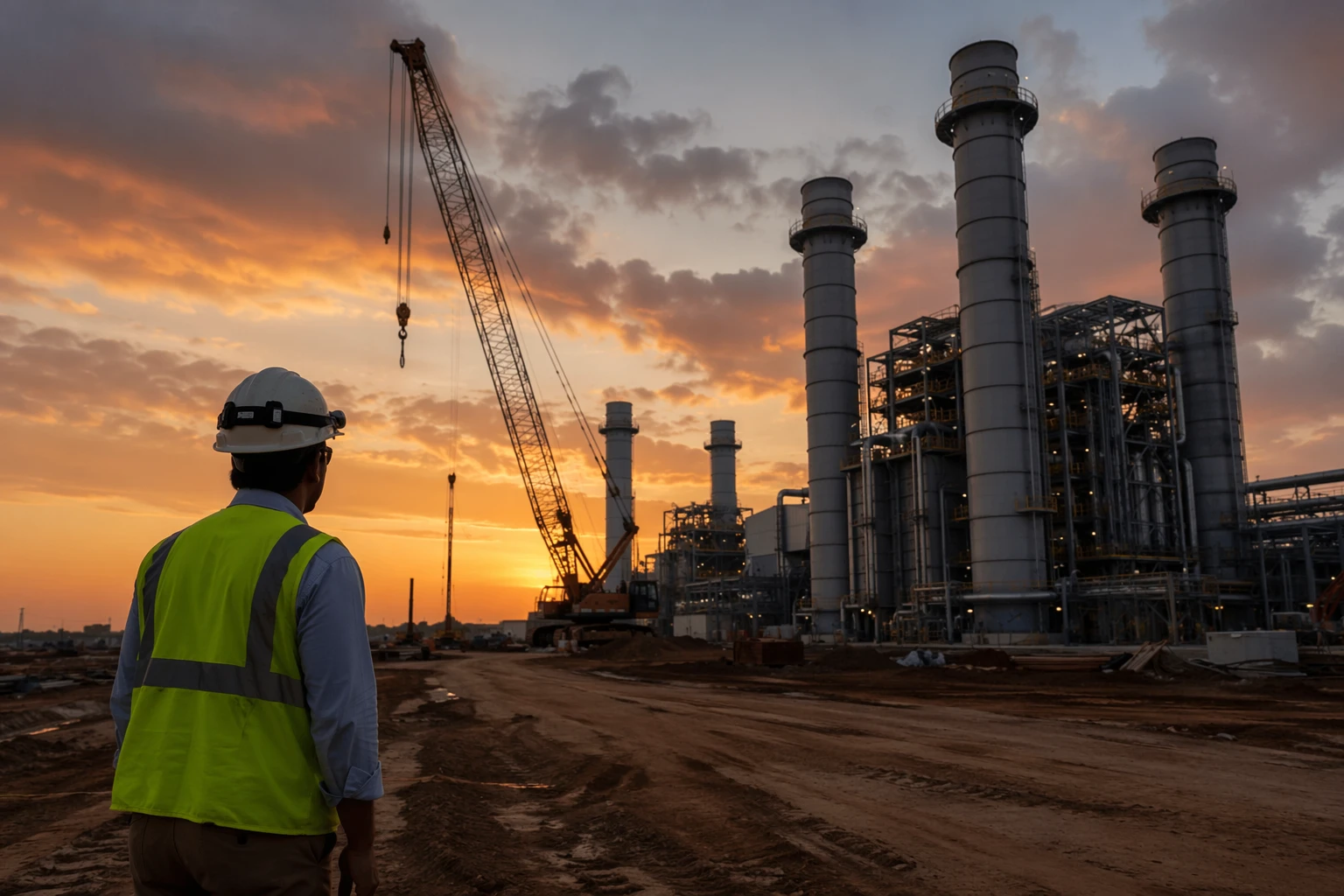
Wind and solar projects are not coming online fast enough to match the pace of new AI infrastructure, and utilities and developers are leaning on gas-fired plants because they can be built and connected more quickly. Utilities and the federal government are also keeping older coal plants running longer than planned.
State Sen. Kristen Gonzalez introduced the Responsible Data Center Development Act on June 2, and the legislature passed it two days later. Gonzalez said the targets are realistic and that the world’s wealthiest companies should help build the renewable power their facilities require. Bob Jenks of the Oregon Citizens’ Utility Board said, “It was a challenging thing to meet without the data centers.”
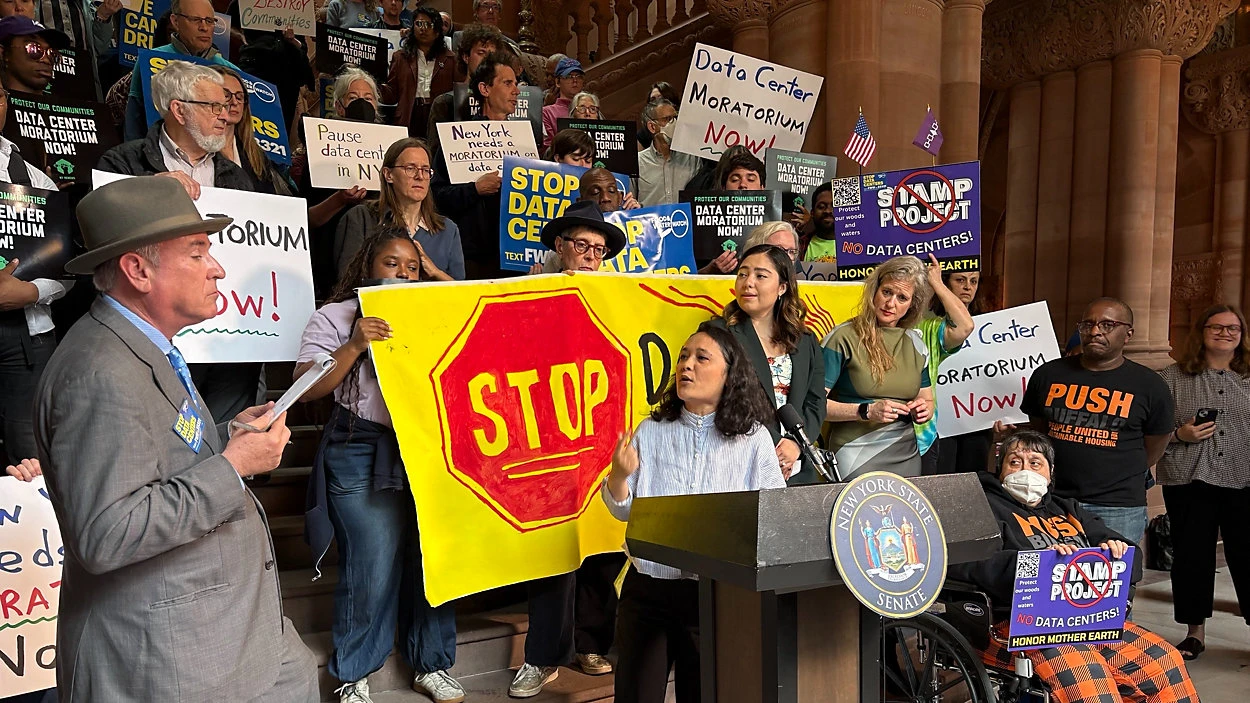
Under the New York bill, data centers with peak load at or above 5 MW would need to source about 33.33% of their electricity from renewables in 2030 through 2034, 66.66% in 2035 through 2039, and 90% in 2040 and beyond. The measure also would create separate utility rate classes so data centers pay their full share of grid and water-infrastructure costs.
Sources
- [1]usnews.com
- [2]eia.gov
- [3]iea.org
- [4]energy.gov
- [5]nysenate.gov
- [6]barclaydamon.com