US News
AI boom drives fast-tracked power plants with little scrutiny
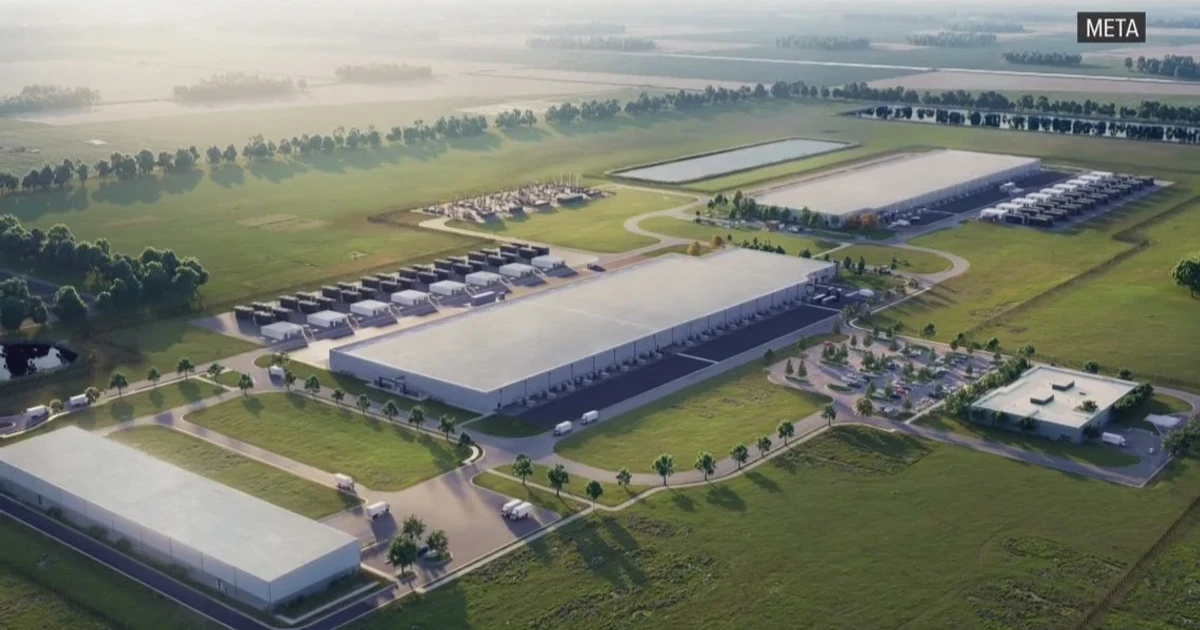
Across the United States, large power plants are being approved at unusual speed to feed the electricity demands of AI and data centers, often with far less public notice, environmental review and community input than conventional projects would face. In Middleton Township, Ohio, that shift is already visible in steel, concrete and pipeline work near Mercer Road and Middleton Pike, where a 350-megawatt natural gas plant is being built for a single adjacent data center.
Neighbors say the pace left them little time to grasp what was coming. Breanne Kidd, describing the project’s impact on her community, said, “I’m living next to a threat.” Her words capture the unease around a buildout that local residents see as serving a national technology race while shifting the burden, including air-quality, water, noise and climate consequences, onto one township.
The Apollo Power Generation Facility, approved by the Ohio Power Siting Board on February 3, 2026, was designed to operate behind the meter and serve only the load of the nearby data center. That structure matters: because it is not built as a traditional utility plant, developers have argued it can move through different permitting pathways and avoid the slower, more public process usually tied to large energy projects. The plant is being developed by Will-Power OH, LLC, a Williams Companies subsidiary.
Ohio had already begun writing a response for the data-center boom before Apollo was approved. The Public Utilities Commission of Ohio adopted AEP Ohio’s data-center tariff settlement on July 9, 2025, and the tariff took effect on July 23, 2025. Under that arrangement, new data-center customers must pay at least 85% of their contracted capacity each month even if they use less, a safeguard meant to keep residential and small business customers from absorbing costs tied to infrastructure expansion. AEP said the framework would give planners more certainty while the utility continues reviewing projects in tranches.
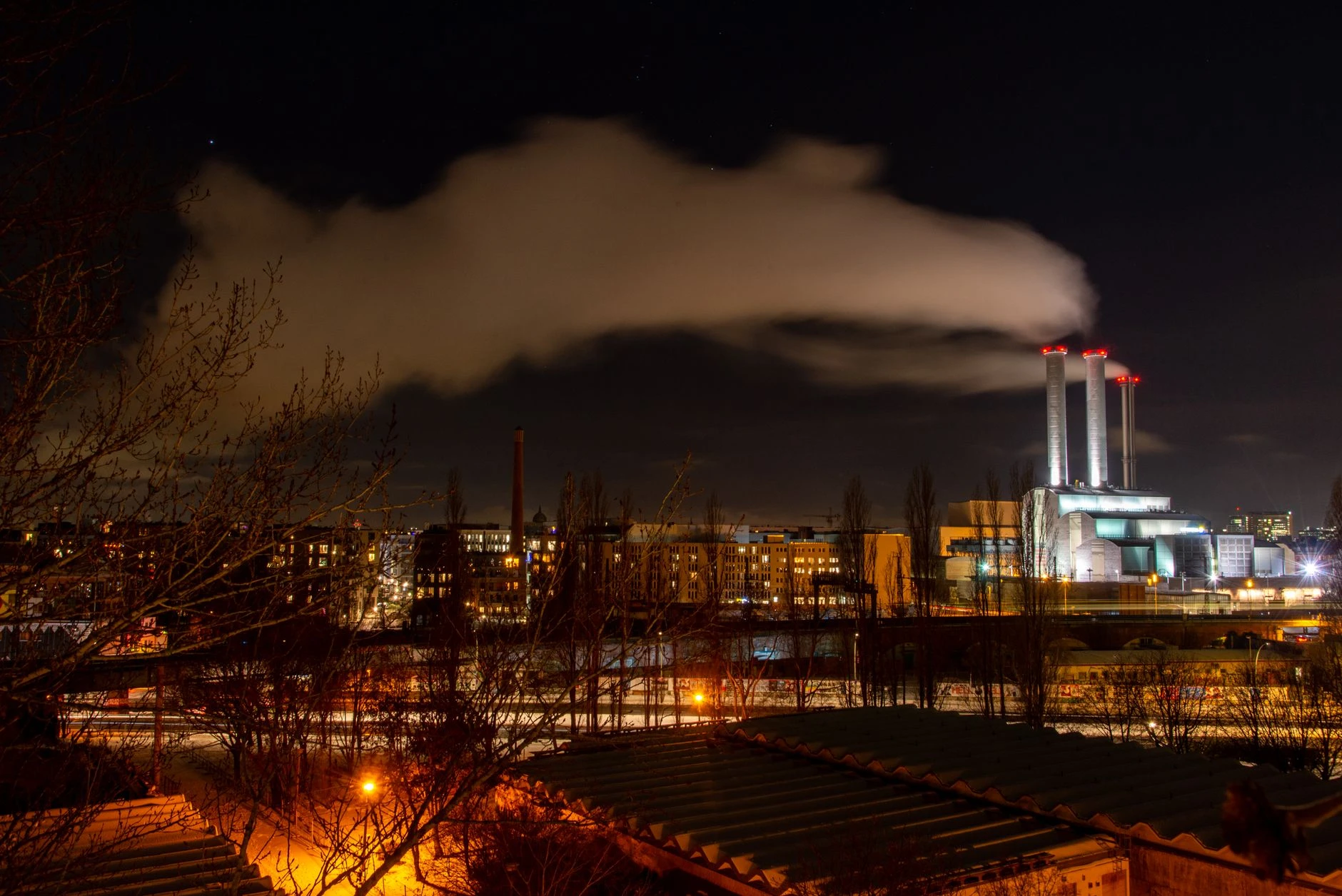
The pressure is not confined to one state. The International Energy Agency says data-centre electricity consumption is set to double by 2030, while AI-focused power use is poised to triple. Its base case projects global electricity supply to meet data-center demand rising above 1,000 terawatt-hours by 2030. In the United States, the Energy Information Administration says electricity consumption by data-center servers will keep growing through 2050, and fossil generation could rise if demand grows faster than expected.
That is the accountability gap behind the AI boom: power plants are moving forward faster than the public can weigh the consequences, and the rules governing energy infrastructure are being rewritten in real time. For communities like Middleton Township, the question is no longer whether AI will need more electricity. It is who gets to decide what kind of power system that demand leaves behind.
Sources
- [1]money.usnews.com
- [2]opsb.ohio.gov
- [3]aepohio.com
- [4]occ.ohio.gov
- [5]iea.org
- [6]eia.gov