Business
AI boom lifts Samsung and SK Hynix workers in South Korea's marriage market
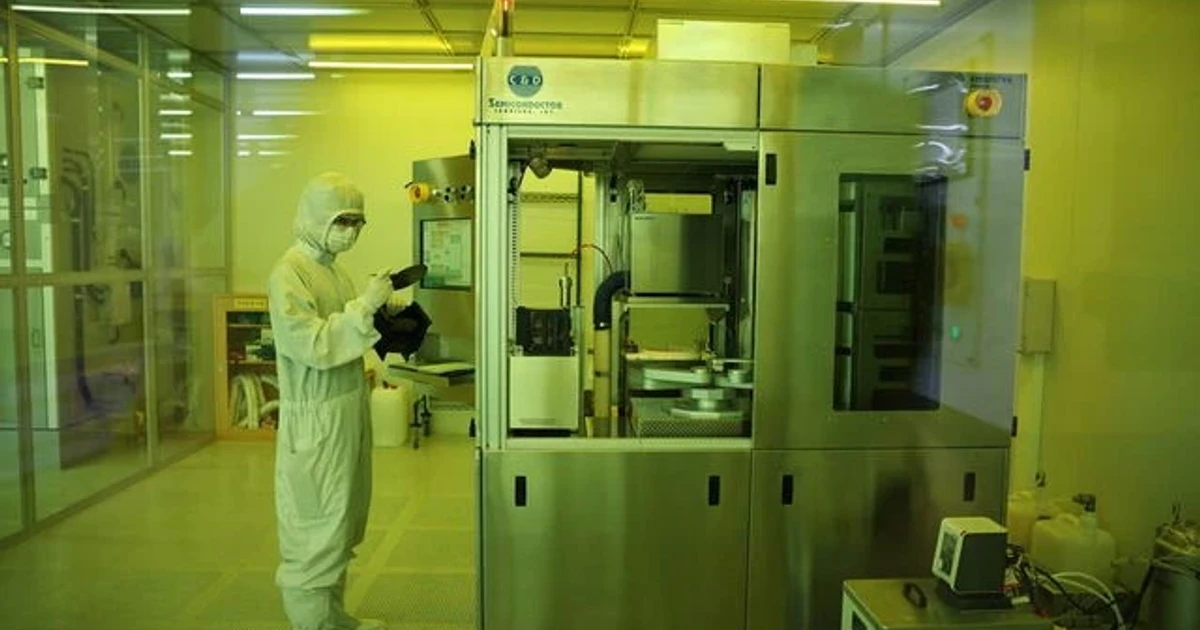
The AI boom has pushed Samsung Electronics and SK Hynix into the center of South Korea’s marriage market, where a job at either chipmaker now carries the kind of status once reserved for doctors and lawyers. As demand for memory chips used in AI systems has surged, so have profits, bonuses and the social cachet attached to the companies’ workers.
That shift is visible well beyond Seoul’s corporate districts. Career consultants say interest in semiconductor jobs is rising among high school students and vocational-school applicants, while some cram schools have begun offering interview-preparation classes aimed specifically at the chip giants. The appeal is not only salary. In a country where education and marriage decisions often track class status, a place at Samsung or SK Hynix now signals stability, high earnings and a seat in the elite.

The market itself has reinforced that message. On June 22, 2026, SK Hynix briefly overtook Samsung Electronics to become South Korea’s most valuable listed company, ending Samsung’s 26-year run at the top by market value. It was a dramatic reversal for SK Hynix, a company that nearly collapsed under debt two decades ago, and a stark sign of how completely the AI cycle has reordered Korea’s semiconductor hierarchy.

Pay has become part of the prestige story. Samsung struck a union deal in late May that included performance bonuses worth around $416,000 for some chip workers. Under the agreement, a memory-chip worker with an 80 million won base salary could receive total bonuses of about 626 million won this year. SK Hynix workers could earn more than 700 million won in bonuses if the company reaches an annual profit of 250 trillion won. That stands out sharply against South Korea’s average annual wage of about 45 million won, or roughly $29,758, in 2024.

The ripple effects are already changing the labor pipeline. South Korea has long steered its most ambitious students toward medicine and law, but the semiconductor boom is pulling some toward vocational paths instead, since chip plants need engineers and technicians as well as university graduates. At Pyeongtaek Meister High School, 19-year-old Jung Sung-chan said his Samsung offer as a chip facility engineer drew admiration from friends: “Many of my friends are envious of me.” In a country where family expectations and housing pressure often shape marriage prospects, semiconductor jobs are no longer just well paid. They have become a marker of class ascent and cultural prestige.
Sources
- [1]usnews.com
- [2]msn.com
- [3]finance.yahoo.com
- [4]marketscreener.com