Business
AI boom pushes San Francisco home prices to record $1.7 million
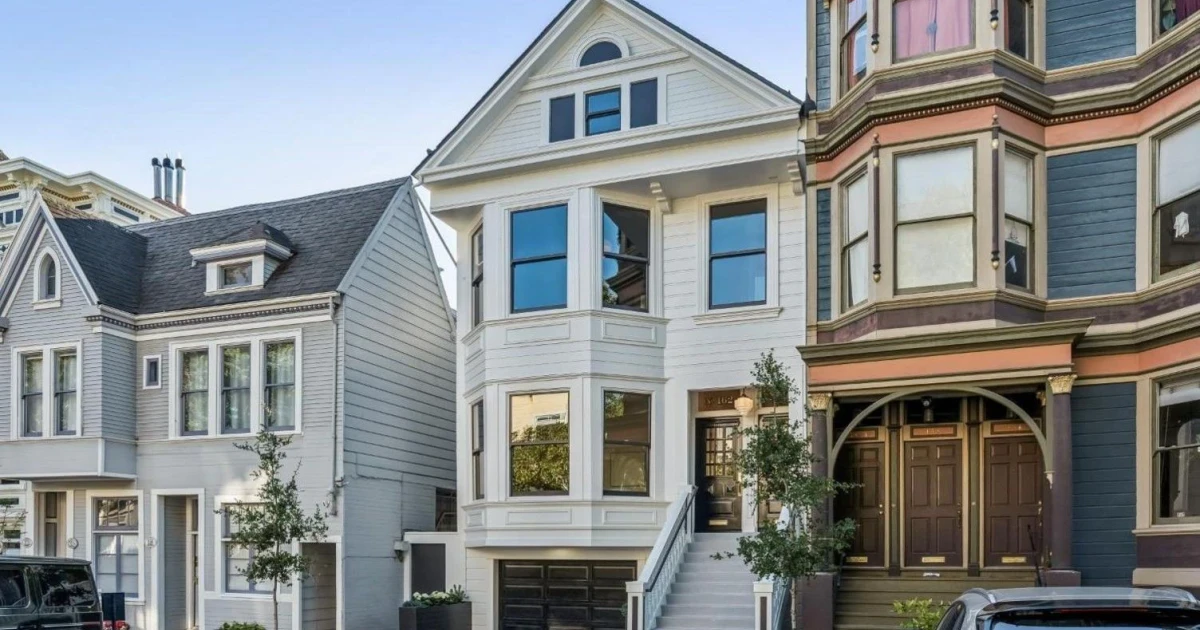
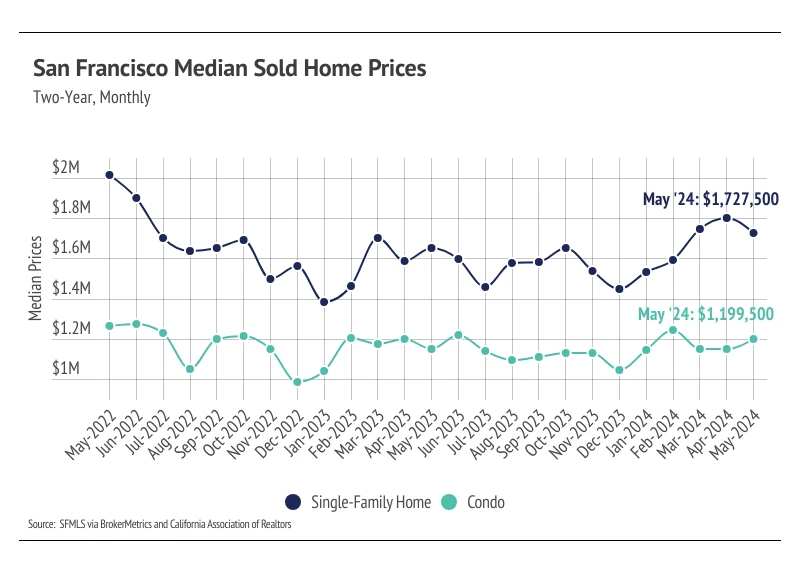
San Francisco’s median home sale price reached a record $1.76 million in May, capping a steep run-up that started with a 14.4% year-over-year jump to $1.7 million in March and put the city back atop the list of the most expensive major U.S. housing markets. Redfin said the March gain was San Francisco’s largest annual increase since March 2018, a sharp reversal from the pandemic downturn that weakened prices when population loss and remote work thinned demand.
The latest surge is being fueled by the AI wealth flowing through the Bay Area. In October 2025, more than 600 current and former OpenAI employees sold shares in a secondary transaction that generated about $6.6 billion in proceeds, with roughly 75 employees reportedly cashing out the maximum allowed $30 million each. San Francisco’s chief economist, Ted Egan, said in April that the AI boom is “a totally different tech boom” from anything the city has seen before, noting that 60% of U.S. venture capital investment in AI over the past three years went to companies in San Francisco.
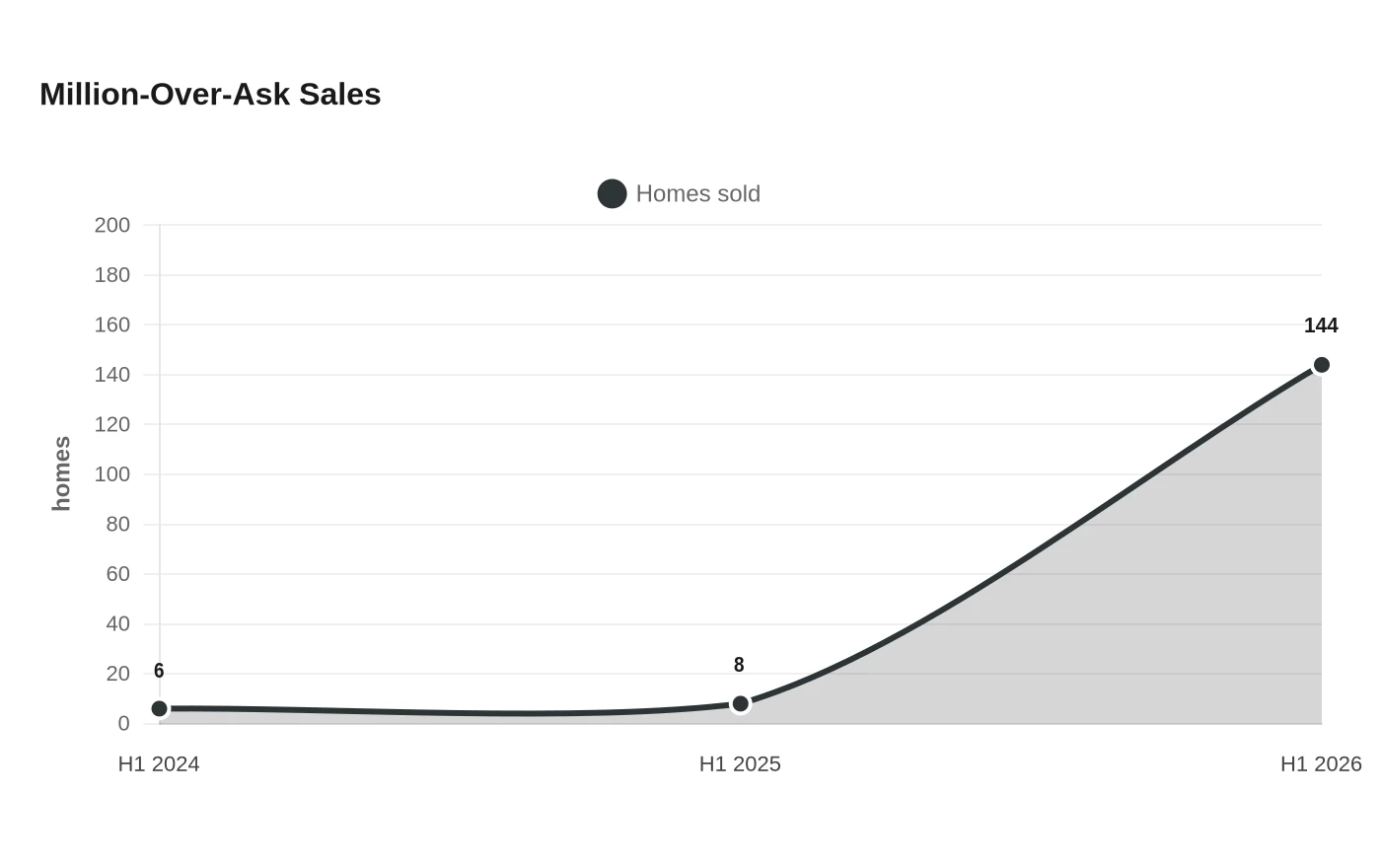
That money is showing up fastest at the top of the market. Compass said 144 San Francisco homes sold for at least $1 million over asking in the first six months of 2026, including 44 in June alone. By comparison, there were just eight such deals in the same period of 2025 and six in the first half of 2024. Some homes are drawing about 20 offers and selling as much as $900,000 above list price, a pace that points to a market moving at its fastest speed in five years.
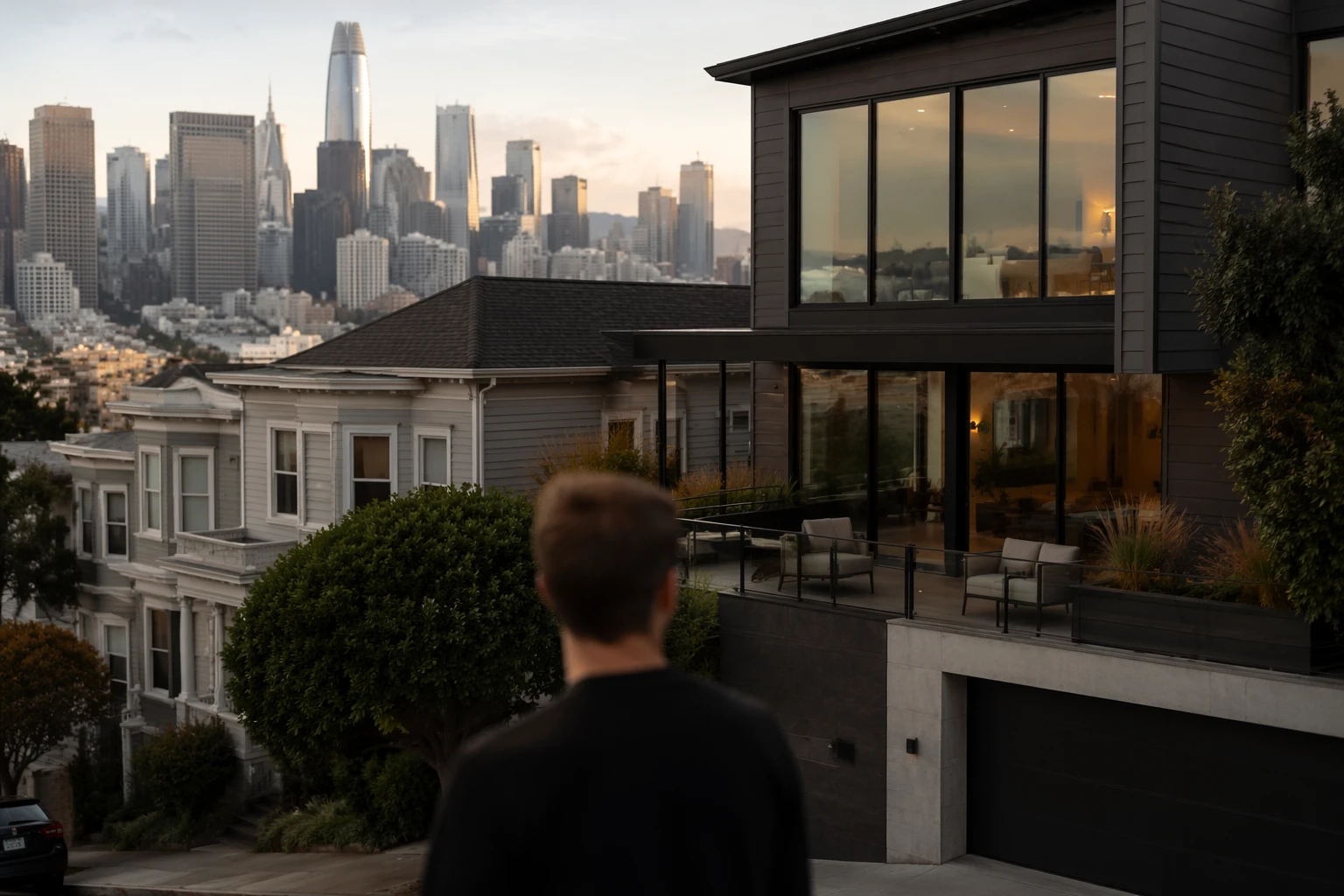
The split-screen effect is widening across the city. High-end buyers, many linked to AI and venture capital, are competing for limited housing in neighborhoods that already sit near the top of the income ladder, while teachers, service workers and middle-income residents face a tighter, more expensive market. Analysts tracking San Francisco’s recovery say jobs, office use and transit ridership have improved, but service-sector employment remains below pre-pandemic levels, leaving the city with a lopsided rebound that benefits the highest-paid newcomers far more than the residents most exposed to rising rents and home prices.

For San Francisco, the housing boom is no longer just a local story about scarce supply. It is becoming an early warning for other U.S. cities where AI wealth is arriving faster than homes can be built, and where the next phase of inequality is likely to be measured block by block in who can still afford to stay.
Sources
- [1]bbc.co.uk
- [2]redfin.com
- [3]missionlocal.org
- [4]therealdeal.com
- [5]finance.yahoo.com