Technology
AI Bots Raise Concerns Over ATM Security Nationwide
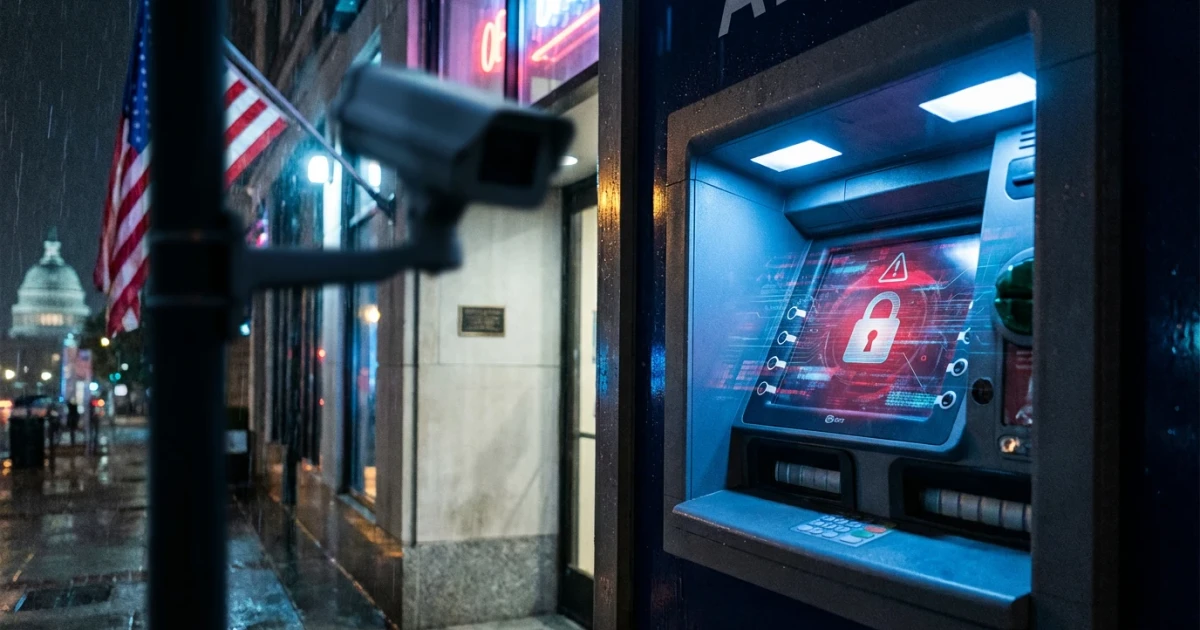
Emerging artificial intelligence bots are fueling new concerns over the security of the country’s cash machines, with experts warning that these advanced tools could be used to drain ATMs on a large scale.
AI Threats Target ATM Networks
According to recent reporting by MSN, technology experts have identified a growing risk from artificial intelligence bots that could be deployed to exploit vulnerabilities in ATM systems. These bots, powered by sophisticated algorithms, are capable of automating and scaling attacks that traditionally required considerable manual effort.
While past ATM attacks have typically relied on tactics such as card skimming or physical tampering, the latest wave of cyber threats leverages AI to circumvent security protocols and coordinate rapid, widespread heists. The FBI notes that cyber-enabled financial crimes, including ATM cash-out schemes, are on the rise, with attackers increasingly turning to automation and artificial intelligence to breach defenses.
How AI Bots Exploit ATM Systems
AI-powered bots can analyze ATM network traffic, identify weaknesses in software or transaction protocols, and launch coordinated attacks that drain multiple cash machines simultaneously. According to the Europol Internet Organised Crime Threat Assessment (IOCTA) 2023, criminal groups are already experimenting with machine learning tools to bypass anti-fraud systems and automate the withdrawal process.
- AI bots can mimic legitimate transactions, making fraud detection more difficult.
- They enable rapid, simultaneous attacks on multiple ATMs, increasing potential losses.
- Automated attacks reduce the need for on-the-ground accomplices, lowering risks for criminal organizations.
The ATM Industry Association has highlighted the evolving nature of ATM fraud, stressing the need for banks and financial institutions to invest in more advanced security measures, including real-time monitoring and enhanced user authentication.
Industry and Regulatory Response
U.S. banks operate tens of thousands of ATMs nationwide, each holding significant amounts of cash and representing a potential target. FDIC data show that ATM deployment and cash withdrawal volumes remain high, despite the growing popularity of digital payments. The Federal Reserve’s Currency and Coin Services Data confirms that billions of dollars circulate through these machines annually.
To counter the rising threat, the National Cyber Security Centre and INTERPOL have issued guidance on strengthening financial system defenses against AI-driven attacks. Recommendations include:
- Upgrading ATM software and hardware to address known vulnerabilities
- Deploying AI-based monitoring tools to detect abnormal withdrawal patterns
- Increasing collaboration between banks, law enforcement, and cybersecurity agencies
Experts stress that as cybercriminals adopt more advanced technology, the financial industry must respond in kind to protect both institutional assets and consumer funds.
Ongoing Risks and the Path Ahead
While no major AI-driven ATM heists have been publicly reported in the U.S. to date, evidence from Europe and Asia suggests that the threat is rapidly evolving. Analysts point to a cat-and-mouse dynamic, with criminals and defenders racing to outpace each other in technological innovation.
The INTERPOL Financial Crime Unit emphasizes that global cooperation and continuous investment in cybersecurity are essential to staying ahead of AI-powered threats. For now, consumers are advised to monitor their bank accounts closely and report any suspicious activity, as institutions work to keep cash machines safe in an increasingly digital world.
As artificial intelligence continues to transform both legitimate industries and criminal tactics, the security of the nation’s ATMs stands as a key test for banks and regulators—one that will require vigilance, innovation, and international collaboration.